⏱ 1 min read
The Short Version
Coffee roasters are using microwaves and air fryers to create light roasts with contrasting flavors—smoky or smokeless—depending on heat control, redefining coffee's depth and clarity.
This could redefine your morning ritual: Coffee roasters are testing microwave and air fryer roasting to unlock light roasts with unexpected depth. The same beans, two distinct outcomes—smoky or smokeless—depending on how heat is applied. The debate isn’t just about tools anymore; it’s about how heat transforms beans at the molecular level.
The distinction between a smoky roast and a clean one depends on heat control, not speed alone.
The Microwave Method: Slow and Smoky-Free
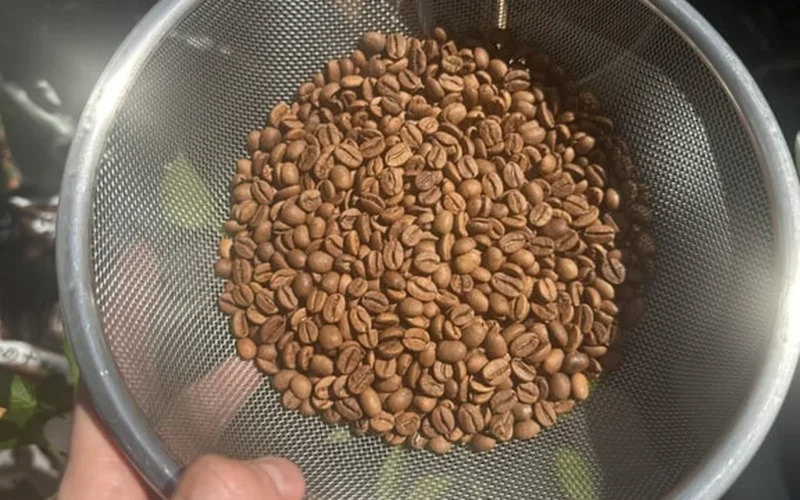
Stirring coffee beans every 25 seconds for 10 minutes may seem laborious, but it’s how one roaster achieves a light roast without the telltale smokiness. The result? Fruity, nutty, and herbal notes that persist long after the cup is empty. The secret lies in controlled, even heating that prevents the caramelization responsible for darker roasts’ smoky character. The cost? Time, but the reward is a crisp, vibrant cup that redefines clarity.
Air Fryer Roasting: Speed Meets Smoke
The air fryer, in contrast, delivers light roasts with a dramatic twist. In under two minutes, beans emerge dark and smoky, their flavors leaning toward earthy and almost charred. The contrast is striking: one method offers clarity, the other depth. The difference stems from how heat is applied—faster roasting can push beans past the first crack, triggering chemical shifts that introduce smoke and bitterness. The distinction between a smoky roast and a clean one depends on heat control, not speed alone. These methods also influence caffeine content and shelf life. Microwave roasting preserves more caffeine and extends freshness, while air fryer roasting can accelerate oxidation. Have you tried pressure cooking? What do you think about the trade-offs between speed and flavor?
Questions & Answers
How does microwave roasting affect coffee bean flavor?
Microwave roasting produces light roasts with fruity, nutty, and herbal notes. The method uses controlled, even heating to avoid caramelization, which prevents the smoky character typical of darker roasts. This results in a crisp, vibrant cup with lasting clarity.
What are the differences between air fryer and microwave roast?
Air fryer roasting creates dark, smoky roasts with earthy and charred flavors, while microwave roasting yields light, clean roasts with fruity and herbal notes. The difference lies in heat application: air fryers speed up the process, potentially pushing beans past the first crack, whereas microwaves offer slower, more even heating.
Why is heat control important in coffee roasting?
Heat control determines whether a roast becomes smoky or clean. Microwave roasting uses precise, even heating to prevent caramelization and smokiness, while air fryers can push beans past the first crack, triggering chemical changes that introduce smoke and bitterness. Control is key to achieving desired flavor profiles.
How do microwave and air fryer roasting methods impact caffeine and shelf life?
Microwave roasting preserves more caffeine and extends freshness due to slower, controlled heating. Air fryer roasting can accelerate oxidation, reducing caffeine content and shortening shelf life. The methods influence both chemical composition and how long the beans stay fresh after roasting.
Originally reported by Reddit Coffee Roasting.