⏱ 1 min read
The Short Version
Matassa’s Rouge tastes like Roussillon’s soil and vines, not a marketing gimmick, proving terroir can speak louder than the "natural wine" label. It’s a quiet, place-driven wine that defies hype.
In This Article
Real talk: I used to roll my eyes at Matassa. The “natural wine” label felt like a gimmick, a marketing shortcut for flawed bottles that smelled like oxidized apples.
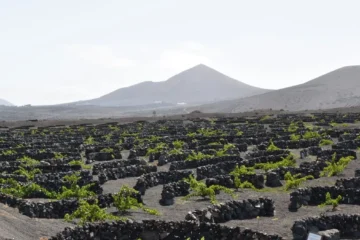
It tasted like a specific place. Not “natural wine” as a category but Roussillon, Catalan varieties, schist soils.
A Wine That Feels Like Place, Not a Label
The Rouge was fresh and dark, with a saline undertone that lingered like a coastal breeze. It was light on its feet but never thin, a balance that made me pause. What struck me wasn’t the “natural” angle—it was the soil, the vines, the specific corner of Roussillon where it was grown. The winemaking was invisible, which is how it should be when it works. This isn’t about philosophy; it’s about terroir delivering something real.
The Quiet Power of Terroir Over Hype
Conventional producers in the same regions? They’re not ignoring the land. They’re just approaching it differently. Matassa’s approach isn’t about rejecting technique—it’s about letting the earth speak. The Rouge didn’t shout; it whispered, and I listened. That’s the rarest thing in wine: a bottle that feels like a place, not a movement. It tasted like a specific place. Not “natural wine” as a category but Roussillon, Catalan varieties, schist soils. Matassa’s work also sits in conversation with other natural wine producers in Roussillon, some of whom embrace the movement while others focus on terroir-driven expression without the label. This distinction highlights a broader debate: can natural wine be a vessel for place, or does it risk becoming a distraction? Has anyone been into their whites? The Blanc (Grenache Gris and Macabeu) keeps coming up when I ask people who know this producer well. What’s your take on natural wine’s role in showcasing terroir?
Questions & Answers
How does Matassa’s Rouge reflect the terroir of Roussillon?
Matassa’s Rouge captures the essence of Roussillon through its saline undertones and light, balanced structure. The wine’s characteristics stem from the schist soils and specific vineyard location, making it feel like the place rather than a label. This terroir-driven approach lets the land speak without overemphasizing winemaking philosophy.
What role does natural wine play in showcasing terroir?
Natural wine can highlight terroir when it prioritizes the land’s expression over production methods. Matassa’s Rouge exemplifies this by letting the soil and vines define the wine, rather than relying on a label. This approach allows the true character of the region to shine through without overshadowing the place.
How does Matassa differ from conventional producers in Roussillon?
Matassa differs by focusing on letting the land guide the wine rather than imposing a specific philosophy. While conventional producers in Roussillon also respect the land, they may use more structured techniques. Matassa’s approach is quieter, emphasizing terroir over movement, resulting in a wine that feels like a place.
Why is the Rouge considered a rare find in wine?
The Rouge is rare because it feels like a place rather than a movement. Its balance, saline notes, and connection to Roussillon’s soil make it distinct. This terroir-driven expression, without overemphasizing the “natural wine” label, creates a rare and authentic drinking experience that resonates beyond trends.
Originally reported by Reddit Natural Wine.