⏱ 1 min read
The Short Version
Mezcal’s terroir rivals fine wine’s complexity, shaped by volcanic soil, microclimates, and ancestral techniques, with roasting adding smoky depth unique to its craft.
In This Article
This might just change how you think about terroir: Mezcal’s geological and cultural roots rival fine wine’s in complexity. While terroir has long defined wine, mezcal—crafted from agave—offers a parallel narrative rooted in volcanic soil, microclimates, and ancestral knowledge.
Like small-scale wine producers, mezcaleros work with what nature gives them—making decisions by feel, experience and tradition rather than formula.
Terroir Isn’t Just a Wine Concept
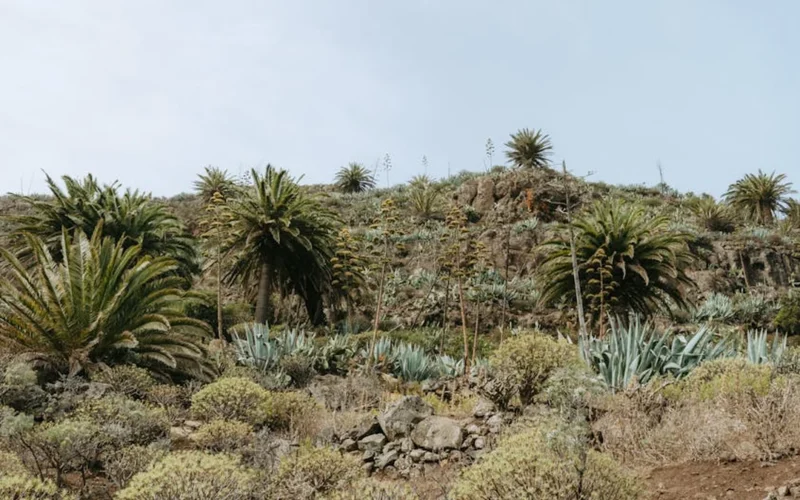
Like wine, mezcal’s identity is shaped by soil, altitude, and microclimate. Two Espadín agaves can taste worlds apart depending on whether they’re grown on a north or south slope. Zacal’s agaves flourish in Michoacán’s volcanic soils, where potassium-rich earth enhances sweetness and depth. Cooler temperatures slow growth, creating a denser core—much like slow-ripening grapes yield more balanced wines. The difference? Mezcal’s complexity is amplified by the roasting of the piña, a step absent in wine production, which imparts smoky, caramelized notes that evolve with time.
Craft Over Consistency
Wine lovers celebrate vintage variation. Mezcaleros do too. Unlike mass-produced spirits, mezcal is made in small batches, often by families who’ve tended agave for generations. Zacal’s Milton, a third-generation producer, harvests, roasts, and distills by hand, relying on instinct and tradition rather than formulas. This artisanal approach mirrors small-scale winemaking—where patience and intuition shape the final product. Like small-scale wine producers, mezcaleros work with what nature gives them—making decisions by feel, experience and tradition rather than formula. What’s your favorite way to pair mezcal with food?
Questions & Answers
How does mezcal’s terroir influence its flavor?
Mezcal’s terroir shapes its flavor through volcanic soil, altitude, and microclimate. Zacal’s agaves in Michoacán thrive in potassium-rich earth, enhancing sweetness and depth. Cooler temperatures slow growth, creating a denser core, similar to slow-ripening grapes. The roasting of the piña adds smoky, caramelized notes that evolve with time.
What makes mezcal production unique compared to wine?
Mezcal production is unique due to its artisanal approach and the roasting of the piña. Unlike wine, which relies on fermentation, mezcal is made in small batches by families using instinct and tradition. This process imparts smoky, caramelized notes, reflecting both the environment and the maker’s expertise.
Why is consistency not a priority in mezcal making?
Consistency isn’t a priority in mezcal making because it’s crafted by hand using ancestral knowledge. Mezcaleros like Milton rely on feel, experience, and tradition rather than formulas. This mirrors small-scale winemaking, where patience and intuition shape the final product, embracing natural variation.
How is Zacal’s mezcal influenced by its environment?
Zacal’s mezcal is influenced by its environment through volcanic soil and microclimates. Agaves grown in Michoacán’s potassium-rich earth develop sweetness and depth, while cooler temperatures slow growth, creating a denser core. These factors, combined with the roasting of the piña, contribute to its complex, evolving flavor profile.
Originally reported by The Drinks Business.