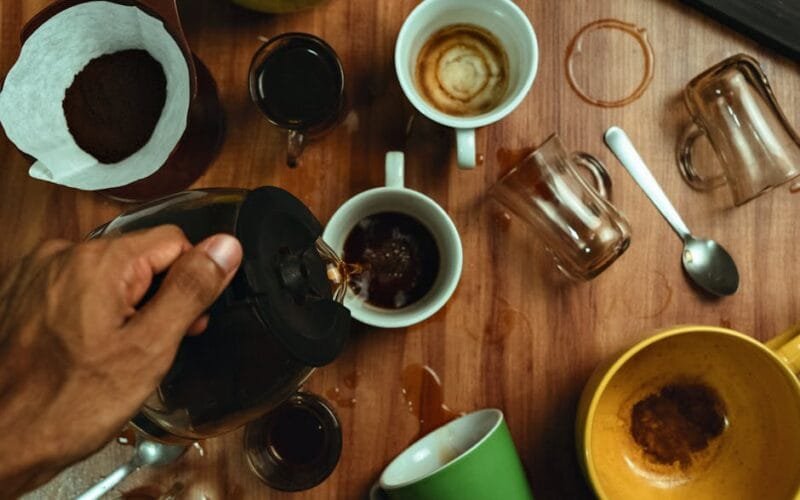
When the world retreated to sourdough and Zoom calls, Vu Đình Tú was brewing a revolution in Hanoi’s Old Quarter. Before the pandemic, Tú was a finance professional, commuting to work and grabbing quick coffee on the go. But lockdown forced a pivot—one that would redefine his career and elevate Vietnam’s coffee culture. “I couldn’t go out for coffee, so I started learning to brew at home,” he said, sipping a cup beside me in the city’s historic streets. What began as a survival tactic became a mission to resurrect Vietnam’s forgotten coffee identity.
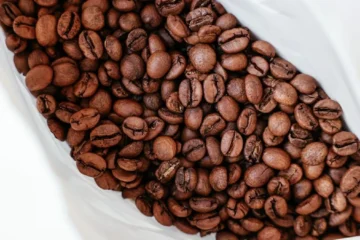
Tú’s obsession? Robusta, the bean that dominates Vietnam’s coffee farms but has long been dismissed as cheap and bitter. While arabica commands 70% of global sales, robusta thrives in Vietnam’s humid climate, a legacy of French colonial plantations. Yet its reputation lagged until climate crises in South America created a gap for Vietnamese exports, which surged 7.4% in 2025 to hit $7 billion in revenue. Tú saw an opportunity to challenge stereotypes. “I grew up drinking robusta,” he said, recalling his childhood in Hanoi. “It’s in me.”
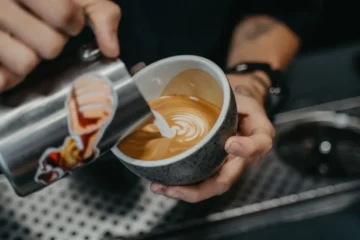
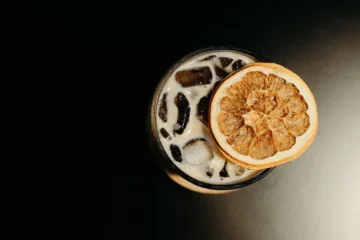
His breakthrough? A slow-roasting technique, 16 minutes instead of the usual 10, to coax depth from robusta’s bold profile. Sourcing beans from a single central Vietnamese farm, he’s built a ritual around patience and precision—crafting a phin, the traditional gravity filter, to extract every drop. The result? A coffee that’s neither bitter nor basic, but layered and vibrant. His café, Refined, now anchors Hanoi’s new-wave coffee scene, blending classics like cà phê sữa đá with inventive twists like apricot cold brew and coconut coffee with sea salt.
Vietnam’s coffee evolution isn’t just about beans. It’s about balancing tradition with innovation. Hanoians sip sweet, condensed-milk-laced robusta in sidewalk cafés while roasters debate extraction curves and farm sourcing. This duality defines the city’s charm: a place where a custard-like egg coffee coexists with precision pour-overs. For travelers, it means endless possibilities—whether you’re craving a classic or a daring experiment.
The country’s coffee boom reflects global shifts in supply and taste, proving robusta’s potential beyond instant cups.
Key points: Vietnam’s robusta is more than a bean—it’s a cultural anchor, redefined by artisans like Tú who blend heritage with modern technique. The country’s coffee boom reflects global shifts in supply and taste, proving robusta’s potential beyond instant cups. Hanoi’s coffee scene thrives on this tension between tradition and innovation, offering a unique flavor profile that’s both rooted and revolutionary.
Ready to taste the future? What’s your favorite Vietnamese coffee drink? Share your pick below.
Questions & Answers
What inspired Vu Đình Tú to start brewing coffee at home?
Lockdown forced Tú to brew coffee at home, sparking a mission to revive Vietnam’s forgotten coffee identity through Robusta.
Why is Robusta significant in Vietnam’s coffee culture?
Robusta thrives in Vietnam’s climate and dominates local farms, though it’s often overlooked for its bitterness compared to Arabica.
Information sourced from industry reports and news outlets.