The wine world is finally catching up to the idea that premium doesn’t mean plastic or plastic-like materials. Château Galoupet’s new Provence rosé bottle is proof: lightweight, recycled glass, and a darker hue that’s as functional as it is eye-catching. This isn’t just a gimmick—it’s a calculated shift that challenges the industry to rethink what “luxury” looks like while slashing environmental impact.
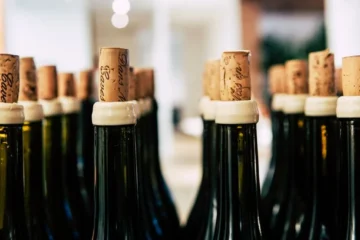
The bottle itself is a marvel of efficiency. Weighing just 300g—half the standard Provence rosé bottle—it’s made from 85% recycled glass, giving it that distinctive amber tint. At first glance, the color might seem odd, but it’s no accident. Darker glass blocks harmful UV light, preserving the wine’s flavor and aroma. It’s the same reason Champagne bottles are colored this way. “People ask why the bottle isn’t transparent,” explains Nadine Fau, Château Galoupet’s managing director. “But darker glass protects the wine—just like it does for Champagne.”
Beyond the bottle, the brand has eliminated plastic and aluminum entirely. No traditional capsules, no paper labels—just natural cork and recycled paper. The result? A package that’s 50% lighter in carbon footprint than standard bottles, thanks to less material, less energy, and fewer emissions from transport. “Less glass means less everything,” Fau says. “It’s one of the most effective changes we can make.”
Yet the shift isn’t just about sustainability—it’s about redefining premium. For decades, heavier bottles and glossy capsules signaled quality. Now, Château Galoupet is proving that lighter, smarter design can command respect without compromising taste. The brand’s success—selling out in its first year—shows consumers are ready to trade tradition for transparency. “There’s a growing appetite for understanding what people are consuming,” Fau notes. “If you can show a wine is made more responsibly, people are interested.”
And while plastic or cartons may offer shortcuts, Fau insists glass remains the gold standard for premium wine.
Lightweight, recycled glass isn’t just a trend—it’s a strategic move that slashes carbon emissions without compromising quality. The broader industry is taking notice, with other Provence producers now debating whether to follow suit. And while plastic or cartons may offer shortcuts, Fau insists glass remains the gold standard for premium wine. “It’s chemically inert, recyclable indefinitely, and still commands respect.”
What does it mean for the future of wine? The answer lies in how brands balance innovation with tradition. As Château Galoupet shows, sustainability doesn’t have to mean sacrifice. So the question remains: Will the wine world embrace this shift—or cling to outdated norms?
What’s your take on sustainable packaging in wine? Share your thoughts below.
Questions & Answers
What makes Provence rosé wine premium?
Provence rosé is premium due to its terroir, hand-picked grapes, and traditional winemaking. It’s aged in stainless steel or oak, giving it a refined taste and smooth finish.
How can I enjoy rosé sustainably?
Choose eco-friendly bottles, buy local, and reuse glassware. Support sustainable producers who use minimal packaging and eco-conscious practices.
Information sourced from industry reports and news outlets.