Here’s something to stir your curiosity: Indonesia’s coffee market isn’t just growing—it’s redefining itself. Since the pandemic, coffee consumption here has tripled, propelling the nation to fifth place globally in both production and consumption. This isn’t just about numbers; it’s about a cultural shift. Once dominated by cheap, dark-roasted robusta and sweetened milky brews, Indonesia’s coffee scene is now a mosaic of quality, innovation, and accessibility.
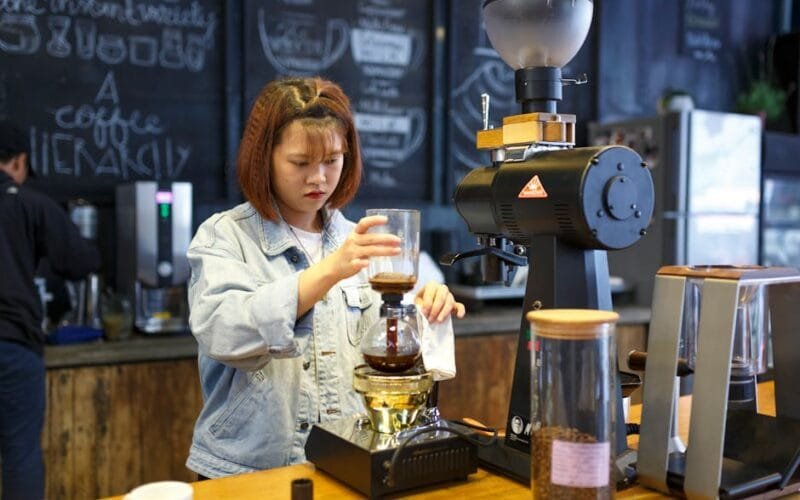
The transformation began with economic growth. As incomes rose, so did demand for better coffee. Affordable domestic chains like Kopi Kenangan bridged the gap between street-side warungs and premium brands, offering third-wave quality at second-wave prices. By 2025, Kopi Kenangan had expanded to 900 stores, a testament to how affordability meets aspiration. Meanwhile, cities like Jakarta and Surabaya have become hubs for specialty coffee, with cafes like Omakafé and Fore Coffee pushing boundaries through single-origin offerings and immersive brewing experiences.
What’s driving this shift? A young, mobile population. Around 40% of Indonesians are between 20 and 40, with higher spending power and a taste for novelty. Urbanization and convenience formats—like ready-to-drink and grab-and-go—have turned coffee into a daily ritual, not a luxury. Events like World of Coffee Jakarta 2025 underscored this momentum, showcasing how Indonesia’s passion for coffee is now a global conversation.
Indonesia’s influence is spreading beyond its borders. Brands like Kopi Kenangan and Fore Coffee are exporting their signature sweet iced-coffee formats to markets from Singapore to the U.S., where cafes like DUA DC and Hijau are redefining perceptions of Indonesian coffee. This isn’t just about exports; it’s about storytelling. By blending local flavors—like pandan lattes and palm sugar syrups—with global specialty trends, Indonesia is proving that authenticity and accessibility can coexist.
Urbanization and a young, affluent population are fueling demand for both premium and accessible options.
Key takeaways: Indonesia’s coffee market is evolving from affordable street brews to a multi-tiered ecosystem of quality and convenience. Urbanization and a young, affluent population are fueling demand for both premium and accessible options. Meanwhile, international expansion is turning Indonesian coffee into a global phenomenon.
What’s next for Indonesia’s coffee revolution? How will its rise reshape the global specialty scene? Share your thoughts below.
Questions & Answers
What drives Indonesia’s specialty coffee growth?
Rising global demand for premium beans, local quality improvements, and increased export efforts fuel Indonesia’s specialty coffee growth.
Which regions in Indonesia produce specialty coffee?
Java, Sumatra, and Sulawesi are key regions, known for unique microclimates and high-quality beans.
Information sourced from industry reports and news outlets.