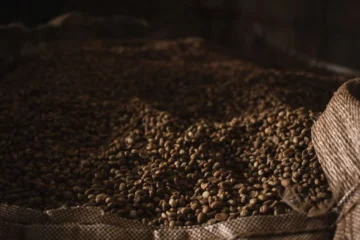
The verdict is in: A 20,000-sq-ft coffee roasting facility isn’t just a building—it’s a potential goldmine, but only if you know how to unlock it. The lease offer of $10k/month raises a critical question: Is this a deal worth pursuing, or a relic of a bygone era? The equipment is functional, but the business isn’t. That’s the paradox here: a modern roasting setup with industrial-grade machines, yet no customers. The numbers matter, but so does the market.
Lease rates for commercial roasting spaces vary wildly depending on location, demand, and the facility’s condition. In cities like Seattle or San Francisco, $10k/month might feel steep, but in secondary markets, it could be a steal. However, the real test isn’t the rent—it’s the viability of the operation. A lease without a plan to generate revenue is a gamble. If you’re not a roaster, leasing without a clear strategy risks turning the facility into a liability.
Operating as a contract roaster is possible, but it’s not a shortcut. The industry is saturated with small players, and clients are picky. You’ll need to prove your quality, build relationships, and navigate supply chains. For someone with limited experience, the learning curve is steep. But if you’re willing to invest in training, certifications, and a strong brand, it’s not impossible. The key is to position yourself as a reliable partner, not just a vendor.
Finding clients today requires more than a roaster. You need a story. Specialty cafes, direct-trade buyers, and even grocery chains are looking for consistency and traceability. But competition is fierce. A 20,000-sq-ft facility can handle volume, but only if you can scale sustainably. The challenge is balancing capacity with demand.
Contract roasting is viable but demands expertise and networking.
Key points: The $10k/month lease is a starting point, but success hinges on your ability to operate profitably. Contract roasting is viable but demands expertise and networking. Clients today prioritize quality and reliability over price.
Close: Is the lease a stepping stone to revival, or a red flag that the facility is better left untouched? What’s your plan for turning this space into something meaningful?
Questions & Answers
How do I sell a commercial roasting facility?
List on commercial real estate platforms, hire a broker, and prepare financials. Highlight location, equipment, and potential. Target buyers in food service or coffee industries.
Can I convert a roasting facility to residential use?
Usually not allowed due to zoning laws. Check local regulations and obtain necessary permits. Conversion may require significant structural changes and approval from local authorities.
Information sourced from industry reports and news outlets.