Coffee lovers, wine enthusiasts, tea devotees—here’s a grape that defied its origins to become a global star. Malbec’s story is less about pedigree and more about reinvention. Once a forgotten vine in France, it’s now Argentina’s flagship red, yet its French soul lingers in every glass. The Tasting Challenge—a weekly dive into 34 wines from 12 countries—revealed how geography can rewrite a grape’s destiny.
Malbec’s French roots are steeped in obscurity. Once a blending grape in cabernet-secret-why-its-outshining-bordeaux/”>Bordeaux, it struggled with pests and weather, earning a reputation for being unreliable. By the 1860s, though, a French botanist planted it in Mendoza, Argentina, where it found its second chance. Today, Argentina’s 43,000 hectares of Malbec dwarf France’s 15,000. The shift isn’t just about quantity—it’s about character. Argentinian Malbec thrives on warmth, delivering bold fruit and ripe tannins, while French examples lean into acidity, offering savory, green notes.
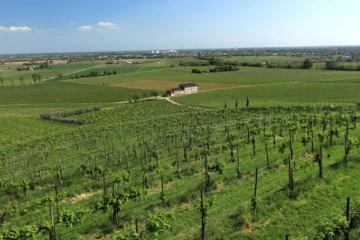
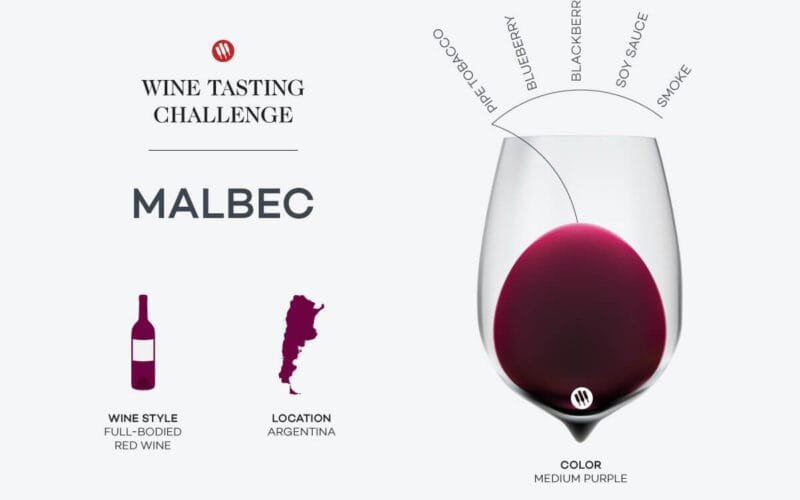
Our bottle from Mendoza’s high-altitude vineyards (1070 meters above sea level) was a revelation. Medium purple with a magenta rim, it exuded complexity: blackberry, plum, pipe tobacco, smoke, and a mineral edge. Yet the palate was a surprise. Aggressive tannins initially overwhelmed, followed by green vegetal notes, new leather, and a dark chocolate finish. It wasn’t the lush, fruit-forward wine we expected. But the altitude explained it all. Cooler climates force grapes to work harder, yielding higher acidity and less fruitiness. This bottle bridged the gap: Argentina’s fruitiness tempered by France’s savory backbone.
The takeaway? A grape’s origin isn’t the whole story. Altitude, soil, and climate shape its identity. This bottle proved that even knowing a wine’s country of origin isn’t enough. For wine lovers, the lesson is clear: geography is a silent co-author.
Key points: Altitude shapes Malbec’s balance, region defines character, and tasting challenges reveal hidden stories.
Key points: Altitude shapes Malbec’s balance, region defines character, and tasting challenges reveal hidden stories.
What wine discovery has reshaped your understanding of a varietal?
Questions & Answers
What makes Malbec unique compared to other wines?
Malbec has bold dark fruit flavors, soft tannins, and a velvety mouthfeel. It’s often aged in oak, adding spice and complexity. It pairs well with red meat and hearty dishes.
Where is Malbec primarily grown?
Malbec is mainly grown in Argentina, especially in Mendoza. It’s also cultivated in France, the US, and other regions, but Argentina is its most famous home.
Information sourced from industry reports and news outlets.