This is worth savoring: Carménère isn’t your average red. It’s the wine that makes you question your palate—and maybe your life choices. Often dismissed as a vegetal oddity, this Chilean grape is a paradox: simultaneously bold and delicate, brash and refined. Yet its reputation is a mirage. A well-made bottle reveals layers of complexity that defy its controversial image.
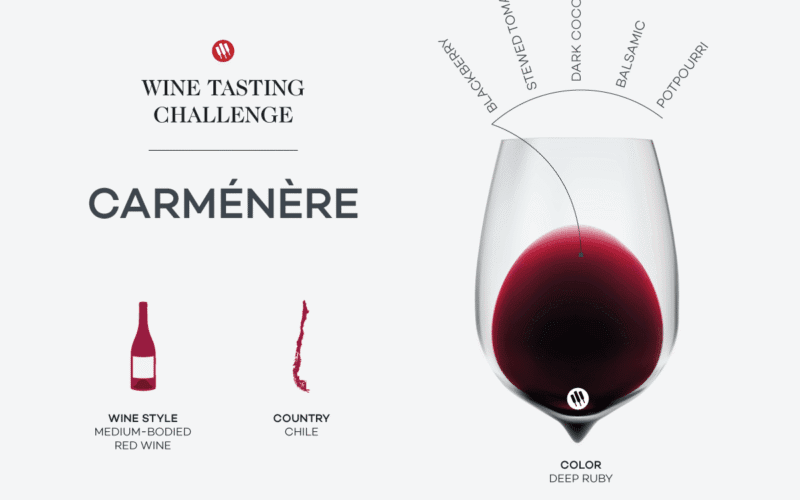
Carménère’s story is one of misidentification and resurrection. For decades, Chilean vintners mistook it for Merlot, until 1996 exposed the truth: half of Chile’s Merlot vines were actually Carménère. The grape’s survival is a testament to its resilience, but its character is unmistakable. High pyrazine levels—a compound also found in bell peppers—imbue it with green herb notes, earthy undertones, and a savory edge. These aren’t flaws; they’re fingerprints of its terroir. Maipo Valley’s warm climate amplifies this, producing wines that balance Chilean earthiness with dark fruit intensity. Think blackberry, dark chocolate, and a whisper of balsamic. The vegetal streak isn’t a distraction—it’s the wine’s heartbeat.
Compare it to its French cousin, and the contrast is stark. cabernet-secret-why-its-outshining-bordeaux/”>Bordeaux once embraced Carménère, but phylloxera decimated its vineyards in the 1870s. Winemakers turned to Cabernet Sauvignon and Merlot, leaving Carménère nearly extinct. Today, France’s plantings are negligible, while China outpaces the country in production. Chile, however, has reclaimed it as a cultural icon. Their version is richer, smoother, and more approachable—proof that terroir can redefine a grape’s destiny.
The key? Pair it wisely. A steak with mushroom glaze or smoky grilled vegetables works, but don’t shy from its intensity. Carménère thrives when food complements its savory backbone.
Its history as a forgotten grape turned cultural hero underscores its unique journey.
KEY POINTS: Carménère’s vegetal profile isn’t a flaw—it’s a signature trait shaped by pyrazines and Chile’s climate. Its history as a forgotten grape turned cultural hero underscores its unique journey. Pair it with bold flavors to let its savory depth shine.
CLOSE: Have you ever found yourself craving a wine that challenges your palate? What’s your go-to pairing for Carménère? Share your thoughts below.
Questions & Answers
How does Carménère taste?
Carménère has dark fruit, plum, and spice notes with a soft, silky texture. It often shows pepper and tobacco hints, with medium to high acidity and a smooth finish.
Is Carménère the same as Merlot?
No, Carménère is a distinct grape variety. It is often mistaken for Merlot but has unique flavors like black cherry, chocolate, and a peppery edge. It’s also more aromatic and tannic than Merlot.
Information sourced from industry reports and news outlets.