If you’ve ever wondered how a grape can reinvent itself across continents, look no further than Roussanne. This white varietal, once overshadowed by its French counterparts, is now rewriting the script in California’s sun-drenched valleys. The verdict? A bold, terroir-driven shift that’s turning skeptics into fans.
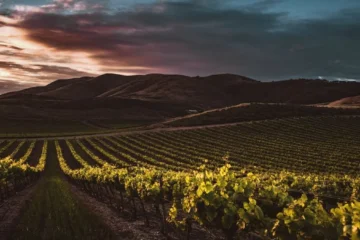
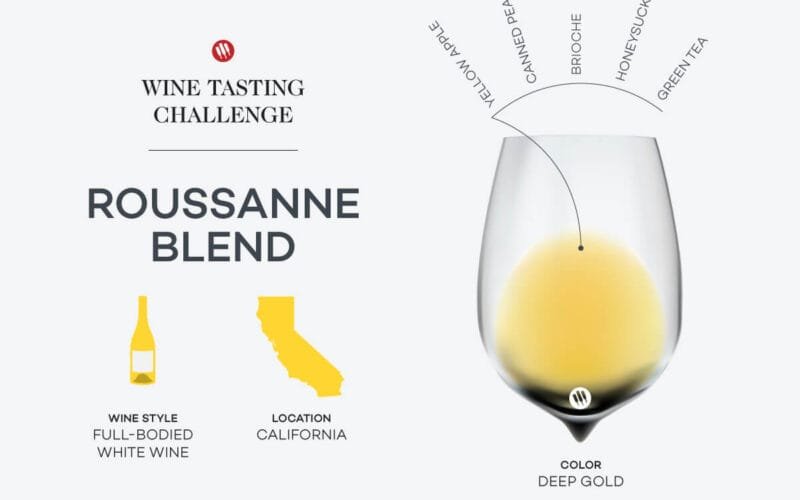
Roussanne has always been a wildcard. In France, it’s a blending grape—often tucked into Rhône blends with Marsanne or Viognier—its presence subtle, its challenges steep. Fungus and mold thrive where it grows, making it a reluctant star. But in California’s Central Coast, where warmth and oak aging meet, it’s breaking free. The Ballard Canyon blend we tasted—88% Roussanne, 12% Chardonnay—demonstrates that potential. It’s not just a clone of French tradition; it’s a new language. Deep gold in color, it smells of yellow apple, canned peaches, and green tea, with a brightness that feels both modern and rooted. On the palate, it starts full and round, then sharpens into a lemon-apricot finish that coats your mouth like shortbread. It’s a wine that demands attention, yet whispers of its origins.
This isn’t just about geography—it’s about redefining what a white wine can be. Roussanne’s fuller body and boldness make it a bridge between white and red lovers. It’s the kind of wine that pairs effortlessly with lobster or roasted pork but also holds its own as a standalone sipper. The contrast between its Old World roots and New World evolution is striking. In France, it’s a supporting act; in California, it’s the lead.
Key takeaway? Terroir isn’t just a buzzword—it’s a catalyst. Roussanne’s journey from French blend to Californian flagship proves how place can transform a grape’s destiny. Second, this is a wine that thrives on complexity: it’s fresh enough for seafood but rich enough to linger. Third, don’t overlook its pairing versatility—it’s a white that can stand up to heartier dishes without losing its soul.
Did it shine as a solo star or blend into the background.
What Roussanne blend did you try? Did it shine as a solo star or blend into the background? Share your story in the comments—because the next chapter of this grape’s journey is yours to write.
Questions & Answers
How long does a Roussanne blend age?
Roussanne blends typically age 12–18 months in oak. Some may see further aging, but most are best consumed within 3–5 years for optimal flavor balance.
What gives Roussanne its aroma?
Roussanne’s aroma comes from its high natural acidity and floral, citrus notes. These traits are enhanced by oak aging and blend with other white varietals for complexity.
Information sourced from industry reports and news outlets.