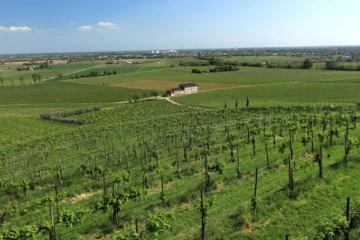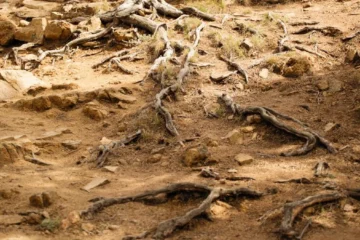
Let’s talk about the Canary Islands’ secret weapon: volcanic soil and centuries-old vines. Nestled off Morocco’s coast, these islands defy geography to produce wines that are as bold as their landscapes. While most premium regions thrive between 30-50 degrees latitude, the Canaries operate at 28 degrees—a hot, humid zone that should theoretically be hostile to winemaking. Yet here, volcanic rock, extreme winds, and rugged terrain have birthed a wine scene that’s exploding in global appeal. What’s the magic? Old vines, indigenous grapes, and a terroir that turns adversity into art.
The Canaries’ winemakers have a rare advantage: vines that predate phylloxera, meaning some are over 300 years old. These ancient roots anchor wines with layers of complexity, defying the region’s heat. White wines dominate, driven by Malvasia’s honeyed sweetness and Listan Blanco’s mineral clarity. Yet the islands also craft dry, acid-driven whites and fresh reds, often using carbonic maceration for a Beaujolais-like style. Sweet wines persist too, with fortified versions that rival Madeira’s depth. The key? Balancing the islands’ volcanic intensity with careful viticulture.
Each island brings its own twist. Tenerife, the largest, hosts five DO zones, from the volcanic slopes of Pico del Teide to the coastal Abona region. Lanzarote’s moon-like vineyards—dug into ash-covered soil—produce whites with Malvasia’s signature brightness. Gran Canaria leans into reds, especially Tinto del Monte, a powerful Listan Negro blend. La Palma’s Negramoll grapes ferment into vino de tea, aged in pine barrels. Smaller islands like El Hierro and La Gomera focus on white wines, with terraced vineyards and ancient, spirit-planted vines. The result? A mosaic of styles shaped by isolation and volcanic grit.
Key points: The Canaries’ old vines offer unmatched complexity, indigenous grapes like Malvasia and Listan Blanco define the region’s identity, and each island’s unique terroir creates a distinct wine profile.
Share your guess in the comments.
Close: If you’ve never tasted a Canary Island wine, which island’s style would surprise you the most? Share your guess in the comments.
Questions & Answers
What are the main wine regions in the Canary Islands?
The main regions are Gran Canaria, Tenerife, Fuerteventura, and Lanzarote. Each produces distinct wines, with Tenerife known for its sweet wines and Gran Canaria for its dry whites.
What type of wine is Canary Islands famous for?
The Canary Islands are famous for sweet wines like Vin Santo and Malvasía, especially from Tenerife. They also produce dry whites and reds, with unique styles influenced by the islands’ climate.
Information sourced from industry reports and news outlets.