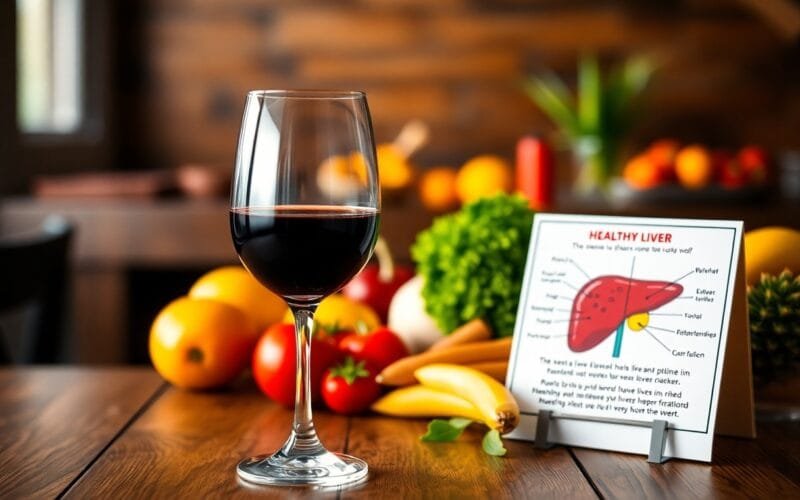
Many people believe that moderate wine consumption is not harmful to liver health, but it’s imperative to understand the potential risks involved. While some studies suggest benefits, excessive or daily intake can lead to serious liver complications over time. This post will provide you with vital insights into how your daily wine habits may impact your liver, helping you make informed choices for your health.
There’s a common perception that moderate wine consumption can be beneficial, but it’s vital to understand the potential risks it poses to your liver health. As you enjoy your daily glass, you might unknowingly expose yourself to dangers that could lead to long-term damage. This post will provide you with vital information about how daily wine intake affects your liver, helping you make informed decisions about alcohol consumption and prioritizing your health.
The Connection Between Wine Consumption and Liver Health
Your liver processes everything you consume, including wine, which contains alcohol that can impact its function. Moderate wine consumption may offer certain health benefits due to compounds like resveratrol, but it’s imperative to evaluate its effects on your liver. While light to moderate intake could lead to some positive outcomes, understanding the balance is key for maintaining liver health over time.
Benefits of Moderate Wine Consumption
Risks of Excessive Wine Consumption
While moderate wine consumption may have its perks, excessive intake poses significant dangers, including liver damage. Regularly exceeding recommended alcohol limits can lead to fatty liver disease, hepatitis, and cirrhosis, creating long-term health issues that outweigh any potential benefits derived from moderate drinking.
Consumption beyond moderation can have immediate and lasting consequences. Evidence shows that individuals who drink more than 14 drinks per week are at a higher risk for alcoholic liver disease, with cases of liver cirrhosis skyrocketing in populations that indulge excessively. Signs of liver distress may not be apparent until significant damage has occurred, making it imperative to monitor your drinking habits closely. This vigilance can safeguard your liver health and prevent serious complications down the line.
The Role of Wine in Health
Consumption of wine, particularly red wine, has been linked to various health outcomes. Antioxidants like resveratrol found in wine are often credited for potential cardiovascular benefits. However, the connection between wine and health varies widely among individuals and should be considered in the context of overall lifestyle and consumption patterns.
Benefits of Moderate Wine Consumption
Moderate wine consumption can offer several benefits, such as improved heart health and enhanced social experiences. Studies suggest that compounds found in wine may help reduce levels of LDL cholesterol, improve endothelial function, and lower blood pressure. These benefits are most pronounced when wine is consumed in moderation, typically defined as one glass per day for women and up to two for men.
Wine Types and Their Effects
Different types of wine can have varying effects on health due to differences in their composition. For example, red wine usually contains higher levels of antioxidants compared to white wine, which may contribute to improved cardiovascular health. On the other hand, sweet wines can contribute to higher sugar intake and potential weight gain if consumed excessively.
| Type of Wine | Potential Health Effect |
| Red Wine | Heart health benefits due to antioxidants |
| White Wine | Less antioxidants; may have different metabolic effects |
| Sparkling Wine | Can enhance social interactions; moderate calorie content |
| Sweet Wine | Higher sugar content; potential weight gain risks |
| Fortified Wine | Higher alcohol content; increased risk of liver damage |
Focusing on wine type can guide you in understanding its impact on your health. Red wines, especially those from regions like cabernet-secret-why-its-outshining-bordeaux/”>Bordeaux or Napa Valley, are often celebrated for their health benefits due to high resveratrol levels. Conversely, while white wines can still be enjoyable, they typically lack the same antioxidant profile. Sweet and fortified wines, due to their higher sugar and alcohol content, could contribute to negative health outcomes, particularly if consumed frequently.
- Assess your preferences, opting for red wines for better health effects.
- Consider moderation vital; excessive consumption negates benefits.
- Monitor your overall intake and balance wine with a healthy diet.
- Stay informed about the latest research on wine and health.
- After weighing options, choose wisely to optimize health outcomes.
| Context | Health Outcome |
| Moderate Consumption | Potential cardiovascular benefits |
| Excessive Consumption | Increased liver damage risk |
| Alcohol-free Options | Lower health risks |
| Antioxidant Presence | Protection against oxidative stress |
| Total Dietary Patterns | Overall health influences from wine |
- Focus on dietary balance, incorporating different nutrients.
- Combine wine with meals to enhance its health impacts.
- Be aware of personal health conditions affecting wine’s impact.
- Consult with healthcare providers about wine consumption.
- After assessing all factors, make informed choices about your wine intake.
Understanding Alcohol Metabolism
Your body processes alcohol through a complex system that involves the liver as the primary organ of detoxification. When you consume alcohol, it’s absorbed into your bloodstream and eventually reaches the liver, where enzymes like alcohol dehydrogenase break it down into acetaldehyde, then into acetic acid, and finally into water and carbon dioxide for elimination. This metabolic pathway is vital for minimizing alcohol’s toxic effects, but excessive intake overwhelms it, leading to potential liver damage.
How the Liver Processes Alcohol
The liver handles alcohol metabolism through enzymatic reactions that convert alcohol into less harmful substances. First, alcohol is converted to acetaldehyde, a toxic compound that can cause cell damage. Subsequently, acetaldehyde is further processed into acetic acid, which is eventually metabolized and excreted from your body. Each step in this process can be hindered by high alcohol intake, leading to liver inflammation and scarring over time.
Factors Affecting Alcohol Metabolism
- Genetics: Variations in liver enzyme activity can lead to differences in alcohol metabolism.
- Body composition: Higher fat levels may slow down alcohol processing.
- Age: Older individuals often experience reduced metabolic efficiency.
- Liver health: Existing liver conditions can exacerbate risks from alcohol.
- Diet and nutrition: Nutritional status can influence liver function and metabolism.
In more detail, genetics significantly impact individual alcohol tolerance. Those with a genetic predisposition for efficient alcohol metabolism may process drinks without immediate effects, while others might feel intoxicated sooner. Body weight is another determinant; heavier individuals may dilute alcohol more efficiently. Furthermore, chronic alcohol consumption can lead to adaptations in enzyme activity, potentially increasing tolerance over time but at the risk of liver damage. Perceiving these variations underscores the importance of moderation tailored to your unique physiology.
- Metabolic efficiency differs from person to person.
- Regular consumption may alter liver enzyme production.
- Chronic drinkers might build tolerance but face significant liver damage risks.
- Diet impacts liver function, highlighting the role of a balanced nutritional intake.
- Your experience with alcohol can change based on various internal factors.
Understanding Liver Health
Your liver plays a vital role in maintaining overall health, processing nutrients, filtering toxins, and producing bile for digestion. As one of the body’s largest organs, it handles metabolic processes, detoxification, and storage of vitamins and minerals. An optimally functioning liver is imperative for regulating blood sugar, cholesterol levels, and hormone balance, which directly impacts your well-being.
Liver Functions and Importance
Common Liver Conditions
Potential Liver Diseases Linked to Wine Consumption
Daily wine consumption, even in moderation, can lead to several liver diseases, particularly when combined with other risk factors such as obesity and genetics. You may be surprised to find that even small amounts of alcohol can contribute to significant health issues over time, making awareness crucial for maintaining liver health.
Fatty Liver Disease
Fatty liver disease, or hepatic steatosis, occurs when excess fat builds up in your liver cells. This condition can develop even with moderate wine consumption, especially if you have other risk factors. As fat accumulates, it can impair liver function and lead to inflammation over time if not addressed.
Alcoholic Hepatitis
Alcoholic hepatitis is a severe form of liver inflammation that arises from heavy alcohol intake, including wine. This condition can occur in those who drink heavily or have pre-existing liver damage, leading to symptoms such as jaundice, abdominal pain, and fever. Continued alcohol consumption exacerbates liver damage, increasing the risk of progression to cirrhosis.
Alcoholic hepatitis often manifests after long periods of excessive drinking but can occur after even a short burst of heavy drinking. For instance, a binge drinking episode can trigger this condition in susceptible individuals, leading to hospitalization in severe cases. Estimates suggest that around 10-35% of heavy drinkers develop alcoholic hepatitis, emphasizing the importance of understanding the risks associated with your wine consumption habits.
Effects of Alcohol on the Liver
Your liver plays a pivotal role in processing alcohol, but excessive consumption can lead to significant health issues. Alcohol can cause inflammation, fatty liver, and ultimately liver cirrhosis, affecting its ability to function effectively. For more details on this topic, see The risks of drinking too much.
Mechanisms of Alcohol Metabolism
Your liver metabolizes alcohol primarily through enzymes, mainly alcohol dehydrogenase (ADH) and aldehyde dehydrogenase (ALDH). These enzymes convert alcohol into acetaldehyde and then into acetate, which your body can easily eliminate. This process occurs more slowly as alcohol levels rise, making it difficult for your liver to detoxify efficiently.
Risks of Overconsumption
Overconsumption of alcohol increases your risk for liver diseases, including alcoholic liver disease, hepatitis, and cirrhosis. Regularly exceeding guidelines can lead to chronic inflammation and serious liver damage, significantly impairing your overall health and longevity.
Statistics show that binge drinking-defined as consuming five or more drinks in a short period-can lead to acute liver damage even in otherwise healthy individuals. Continuous consumption beyond moderation raises your risk for developing fatty liver, a condition that can escalate to more severe complications like liver fibrosis and cancer. Liver health is paramount, and maintaining a balanced approach to alcohol is important for long-term wellbeing.
Signs of Liver Damage Related to Alcohol
Your liver may exhibit several signs of damage due to alcohol consumption. Early detection is vital for preventing more serious complications. Symptoms can range from feeling fatigued and experiencing abdominal pain to more severe indications that signal significant liver distress. It is important to identify these signs promptly to address potential liver health issues before they advance.
Early Symptoms
In the early stages of liver damage, you might notice persistent fatigue, nausea, loss of appetite, and mild abdominal discomfort. These can often be mistaken for regular stress or flu-like symptoms, making it easy to overlook them. Staying attuned to any unusual changes in your body can be important for catching liver issues early.
Severe Symptoms
As liver damage progresses, severe symptoms may arise, such as jaundice, swelling in the legs or abdomen, confusion, and frequent bleeding. These can indicate advanced liver disease and require immediate medical attention. Recognizing these symptoms is imperative for your health, as they can signal life-threatening conditions.
Severe symptoms indicate significant liver impairment and often result from advanced alcoholic liver disease. Jaundice, characterized by yellowing of the skin and eyes, occurs due to the liver’s inability to process bilirubin. Swelling, or edema, arises from fluid retention, while confusion points to hepatic encephalopathy, a critical condition affecting your brain function. If you experience these symptoms, it’s imperative to consult a healthcare professional without delay to evaluate your liver health.
Daily Wine Consumption: Guidelines
Establishing guidelines for daily wine consumption is vital to minimize health risks while enjoying its potential benefits. For women, up to one glass per day is recommended, while men may consume up to two glasses. However, it’s crucial to assess your personal situation. For more details on how alcohol affects your liver, check out What Are the First Signs of Liver Damage From Alcohol?.
Defining Moderate Drinking
Moderate drinking typically refers to limiting alcohol consumption to a specific amount deemed low-risk. This usually means no more than one drink per day for women and two for men. Defining what constitutes a ‘drink’ can also help clarify these guidelines, where a standard drink is approximately 14 grams of pure alcohol-found in 5 ounces of wine, 12 ounces of beer, or 1.5 ounces of distilled spirits.
Individual Factors to Consider
Your personal health profile plays a crucial role in determining what level of wine consumption is appropriate. Factors such as age, weight, medical history, and genetic predisposition can significantly affect how your body processes alcohol. Pay attention to how your body reacts to wine and consult with a healthcare provider if you have concerns. Assume that individual responses can vary widely.
- Your liver’s ability to metabolize alcohol can decrease with age.
- You may have a higher risk if you have preexisting liver conditions.
- Your genetic background can influence your metabolism of alcohol.
- Chronic health issues such as diabetes can also affect your tolerance.
- Assume that even moderate drinking may have different implications for you personally.
When evaluating individual factors, consider other lifestyle choices that impact liver health, such as diet and exercise. These factors can interact with alcohol consumption, enhancing or diminishing its effects on your body. Furthermore, medications you take may also affect how alcohol is metabolized. Assume that these elements create a complex picture of how wine consumption may impact you.
- Your lifestyle choices can significantly influence alcohol’s effects.
- Dietary habits play a role in overall liver efficiency.
- Medications may alter liver enzyme activity.
- Your emotional and psychological health can influence drinking habits.
- Assume that a holistic view of your health is necessary when considering alcohol consumption.
Guidelines for Healthy Wine Consumption
To enjoy wine while mitigating potential health risks, consider adhering to established guidelines. Moderation is key; benefits often come with responsible consumption. For detailed risks, check out this resource on Alcohol-Associated Liver Disease. Limiting intake helps manage your liver health effectively while allowing you to savor your favorite wines.
Recommended Limits for Adults
For adults, the recommended limit for wine consumption is up to one glass per day for women and up to two glasses per day for men. A standard glass is typically defined as five ounces. Staying within these limits can help reduce the risk of developing liver-related complications.
Considerations for Different Populations
Your individual health status, age, and family history can influence how your body processes alcohol. Pregnant women, for example, should avoid alcohol entirely due to potential risks to the fetus, while individuals with existing liver conditions may need to steer clear of wine altogether. Always consult a healthcare professional about your specific situation.
Moreover, older adults may metabolize alcohol differently due to changes in liver function and body composition. If you are taking medications, it’s necessary to consider potential interactions with alcohol. Those with a family history of liver disease should also be cautious, as genetics can significantly influence your risk of developing alcohol-related problems. Personal health considerations should take precedence when choosing to include wine in your routine.
Risks Associated with Daily Wine Consumption
You might underestimate the risks that come with daily wine consumption, as even moderate intake can contribute to severe health concerns. Daily drinking increases your chances of liver damage, potentially leading to conditions like fatty liver disease, hepatitis, or cirrhosis. The liver’s capacity to metabolize alcohol decreases with consistent exposure, creating an environment where damage can accumulate over time. Awareness of these risks is crucial for making informed choices about your wine consumption habits.
Alcohol-Related Liver Disease
Daily wine intake, even in moderate amounts, elevates the risk of alcohol-related liver disease (ARLD). Chronic exposure to alcohol can lead to inflammation, fat accumulation, and ultimately fibrosis or cirrhosis. Evidence shows that consuming more than one glass of wine daily can significantly increase the likelihood of developing ARLD, exacerbating liver function decline over time.
Interactions with Medications
Your daily wine consumption can interact negatively with various medications, potentially diminishing their effectiveness or increasing the risk of side effects. Medications for cholesterol, blood pressure, and many others may not work as intended when combined with alcohol, altering how your body processes the drugs.
Daily wine intake complicates your medication regimen significantly. For instance, combining alcohol with statins can enhance the risk of liver toxicity, while mixing it with anticoagulants like warfarin may heighten the risk of bleeding. This is particularly pertinent for individuals taking multiple medications, where even small amounts of alcohol can disrupt the delicate balance necessary for optimal health. Always consult your healthcare provider about your alcohol consumption to safeguard against harmful interactions.
Summing up
The impact of daily wine consumption on your liver health warrants careful consideration. While moderate intake might offer some benefits, excessive drinking poses significant risks. You should be aware of the potential for liver damage, including fatty liver disease or cirrhosis. If you suspect any issues, investigate What Are the First Signs of Liver Damage From Alcohol? to stay informed and safeguard your health.
Alternatives to Daily Wine Consumption
Finding alternatives to daily wine consumption can significantly benefit your liver health while still allowing you to enjoy social moments. Consider incorporating beverages like herbal teas, sparkling water with fruit, or non-alcoholic wines. These options can provide flavor without the negative impacts of alcohol, facilitating a healthier lifestyle.
Non-Alcoholic Options
Non-alcoholic drinks have evolved, offering a vast range of flavors and complexities that can satisfy your palate. Sparkling juices, flavored waters, and alcohol-free craft beers can provide the same refreshing appeal as wine. Brands now create sophisticated mocktails that mimic classic cocktails, ensuring you don’t feel deprived while nurturing your liver.
Lifestyle Changes for Liver Health
Incorporating lifestyle changes is important for supporting your liver health. Prioritize a balanced diet rich in fruits, vegetables, whole grains, and lean proteins, while reducing saturated fats and added sugars. Regular exercise can enhance liver function and help maintain a healthy weight, which is vital for preventing liver-related diseases.
p>Adopting a holistic approach to your lifestyle will significantly impact your liver health. Commit to at least 150 minutes of moderate aerobic exercise per week, which has been shown to improve liver function and reduce fat accumulation. Additionally, consider incorporating stress-relief techniques such as yoga or meditation, as stress can negatively affect liver health. Staying hydrated and ensuring adequate sleep also plays a critical role in liver recovery and function, fostering a balanced lifestyle that detracts from the need for daily alcohol consumption.
Final Words
Presently, it’s necessary to understand the relationship between daily wine consumption and liver health. While moderate wine intake may offer some benefits, excessive drinking significantly increases your risk of liver damage. Be aware of the potential impacts on your health and consider your personal circumstances and medical history when making choices about alcohol. Staying informed will empower you to make safer decisions regarding your wine consumption and overall well-being.