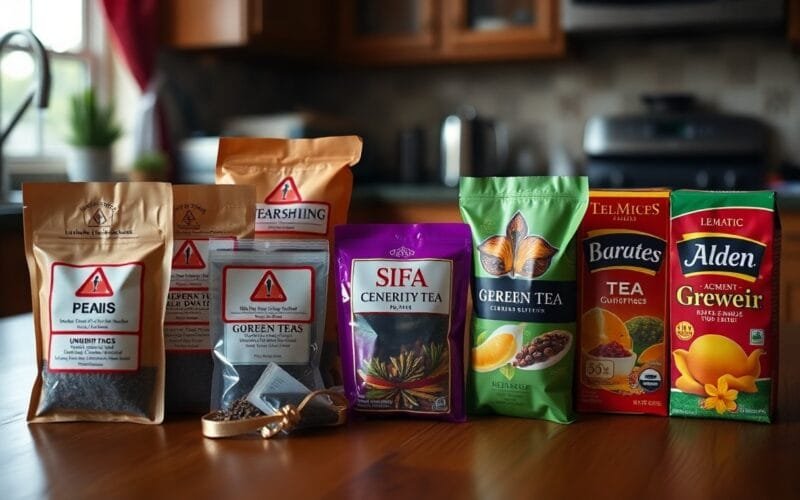
Alternatives exist for the teas you might be consuming that have potential health risks. Some popular teas may contain ingredients that could negatively impact your well-being. Understanding what to avoid can help you make informed choices for your tea-drinking habits. In this post, you will discover the unhealthiest teas to sidestep, along with safer options that provide flavorful and beneficial experiences for your health.
Common Unhealthy Ingredients in Tea
When dicking out teas, it’s crucial to be aware of certain unhealthy ingredients that may lurk in your favorite brews. These components can negate the benefits of tea and pose health risks. You should scrutinize your tea labels for artificial sweeteners, excessive flavors, and various additives that could compromise quality.
Artificial Sweeteners
Artificial sweeteners can be common in pre-packaged teas and may lead to health concerns, including potential impacts on gut health and metabolic function. Substituting natural sugar with these chemical alternatives often masks the true flavor of the tea, resulting in a less satisfying experience.
Excessive Flavors and Additives
Teas loaded with excessive flavors and additives undermine their natural benefits. These ingredients, often derived from synthetic sources, can introduce unnecessary calories and unwanted chemicals. Ingredients like maltodextrin and artificial colorings not only detract from the tea’s purity but may also trigger allergic reactions or other negative side effects for sensitive individuals.
Caffeine Levels in Tea
Caffeine content varies significantly across different types of tea, influencing both flavor and health impacts. While some teas can provide a mild caffeine boost, others may lead to excessive stimulation, especially if consumed in large quantities. It’s crucial to be aware of how much caffeine is in your tea choice, as this affects your overall daily intake and can influence sleep patterns, anxiety levels, and more.
High-Caffeine Teas to Avoid
If you’re sensitive to caffeine, it’s wise to limit high-caffeine teas like black tea, matcha, and certain green teas, which can contain between 30 to 70 mg of caffeine per cup. Teas like yerba mate and guayusa should also be avoided, as they can pack a hefty caffeine punch, often exceeding 80 mg per serving. Opting for herbal or decaffeinated teas may be a better choice for maintaining a calm and balanced state.
Effects of Caffeine on Health
Excessive caffeine consumption can lead to negative health outcomes, including increased heart rate, anxiety, digestive issues, and insomnia. You may also experience jitters or a crash once the initial energy boost fades. For those with certain health conditions or cardiovascular issues, high caffeine intake might exacerbate symptoms, making moderation key to enjoying your tea without adverse effects.
Caffeine impacts various systems in your body; for example, it stimulates the central nervous system, which can improve focus and alertness. However, consuming too much can result in restlessness and increased blood pressure. Numerous studies suggest an optimal daily caffeine intake of about 400 mg for most adults, though individual tolerance levels vary. Remaining mindful of your consumption helps strike a balance between the benefits of caffeine and its potential downsides, ensuring that your tea habits support your overall well-being.
Contaminants and Toxins
Your choice of tea can unfortunately expose you to various contaminants and toxins that pose health risks. Issues such as pesticide residues and heavy metal contamination are prevalent in many commercially available teas. Being aware of these dangers is the first step to making informed selections about the teas you consume.
Pesticide Residues
Pesticide residues are a significant concern, especially in non-organic teas. Studies show that over 70% of tea samples tested contain detectable levels of pesticides, some of which are linked to serious health issues. Choosing organic options can greatly reduce your exposure to these harmful chemicals.
Heavy Metals in Tea
Heavy metal contamination is another alarming factor in tea production, often resulting from soil and water pollution. Teas sourced from regions with industrial activity can contain harmful levels of arsenic, lead, and cadmium. These metals accumulate in your body over time, posing long-term health risks, including neurological damage and increased cancer risk.
For instance, a 2018 study revealed that certain green teas from specific Asian countries had alarming levels of lead, exceeding safety limits. Monitoring your tea sources closely can help mitigate this risk. Opt for brands that conduct regular testing for heavy metals, and consider sourcing your tea from recognized suppliers that prioritize safety and transparency. This ensures you enjoy your tea without compromising your health.
Health Risks of Overconsumption
Consuming excessive amounts of certain teas can lead to various health risks, such as caffeine sensitivity, digestive issues, and increased heart rate. Depending on the tea type, you may experience symptoms that range from headaches to severe gastrointestinal disturbances. Avoid overindulgence in high-caffeine teas or those laden with additives. For more information, refer to What Teas Are Unhealthy?.
Potential Side Effects
Your body can react negatively to excessive tea consumption, with side effects including insomnia, anxiety, and elevated blood pressure. Some herbal teas may cause allergic reactions, especially in individuals sensitive to specific plants. Monitoring your intake is vital to prevent these adverse effects.
Long-Term Health Implications
Consistent overconsumption of unhealthy teas can lead to serious long-term health implications, including liver damage or kidney issues from certain herbal ingredients. You may unknowingly jeopardize your well-being by disregarding the daily limits of caffeine and other active compounds.
For instance, excessive intake of teas containing high levels of oxalates, such as black tea, can increase your risk of developing kidney stones over time. Similarly, prolonged exposure to large quantities of certain herbs, like comfrey or kava, has been linked to liver toxicity. Being mindful of the types and quantities of teas you consume will ultimately contribute to better long-term health outcomes.
Healthier Tea Alternatives
Switching to healthier tea alternatives can greatly enhance your well-being while still satisfying your taste buds. Options like herbal and low-caffeine teas allow you to enjoy flavorful beverages without the drawbacks associated with higher caffeine or harmful additives. Explore various blends to find what works best for you, ensuring that your tea-drinking experience remains both enjoyable and beneficial.
Herbal Teas
Herbal teas are naturally caffeine-free and come in a vast array of flavors and health benefits. Varieties such as chamomile, peppermint, and rooibos provide soothing properties and can aid in digestion, relaxation, and even inflammation reduction. Experimenting with herbal teas can help you discover unique tastes while promoting your overall health.
Low-Caffeine and Natural Options
Low-caffeine and natural tea options, such as green tea and white tea, offer enjoyable alternatives without the jitters associated with high-caffeine beverages. These types often contain beneficial antioxidants and can contribute to improved metabolism and cardiovascular health. You can enjoy the delightful flavors while minimizing caffeine intake and maximizing health benefits.
Incorporating low-caffeine options like green and white tea into your routine can be beneficial. Green tea has been linked to weight loss and enhanced brain function due to its high levels of epigallocatechin gallate (EGCG). White tea, minimally processed, provides a delicate flavor along with antioxidants that support skin health and reduce the risk of chronic diseases. By choosing these alternatives, you optimize your tea experience while promoting your wellness journey.
Tips for Choosing Healthy Teas
When deciding on healthy teas, prioritize those with natural ingredients, minimal added sugars, and beneficial properties. Assess your health goals and consider herbal teas known for their calming or digestive benefits. Here are some tips to guide your choice:
- Opt for organic varieties to reduce pesticide exposure.
- Choose loose leaf tea over bagged for higher quality.
- Research the tea’s health benefits and sourcing.
- Consider caffeine content based on your tolerance.
After ensuring you’re making informed choices, explore 7 Worst Tea Habits That Are Harming Your Gut And Liver to further enhance your tea-drinking experience.
Reading Labels
Reading labels is vital for understanding what you’re consuming. Look for information on ingredients, caffeine levels, and added substances. Avoid teas with unnecessary additives, artificial flavors, or excessive sweeteners, which can negate health benefits and contribute to unwanted calories.
Trusted Brands and Sources
Selecting teas from trusted brands ensures quality and safety. Established brands often provide transparency in sourcing and production methods, offering products that align with health standards. Seek out companies known for ethical practices and high-quality ingredients.
Researching brands helps you identify those committed to health-conscious consumers. Many reputable companies provide certifications, like organic or fair trade, which reassure you about their sourcing. For instance, brands like Harney & Sons and Pukka Herbs emphasize quality and environmental stewardship, offering a range of beneficial teas that cater to various health needs. This way, you ensure your tea not only tastes good but also serves your health goals effectively.
Final Words
Now that you’re aware of the unhealthiest teas to avoid, it’s vital to prioritize your well-being by making smarter choices. Unhealthy teas can lead to negative health effects, so be cautious and consider alternatives that better suit your lifestyle. You can find more insights on 15 unhealthy ways of tea drinking should be avoided to enhance your tea experience and promote your health.
FAQ
Q: Which teas should I avoid due to high sugar content?
A: Sweetened bottled teas often contain excessive amounts of sugar, making them detrimental to health. Options like sweet tea and certain flavored teas can exacerbate weight gain and increase the risk of diabetes. Alternative choices include unsweetened herbal teas or adding natural sweeteners like honey in moderation.
Q: Are there teas that may pose health risks due to caffeine content?
A: Highly caffeinated teas, such as some black and matcha varieties, can lead to anxiety, insomnia, and heart palpitations for sensitive individuals. Low-caffeine or caffeine-free alternatives like herbal teas (e.g., chamomile or rooibos) are recommended for those looking to reduce caffeine intake.
Q: What types of tea contain high levels of additives that are unhealthy?
A: Many commercial teas, especially instant and flavored teas, may include artificial flavors, preservatives, and colors. These additives can contribute to health issues over time. Opting for organic loose-leaf teas or reputable brands that use natural ingredients can provide a healthier alternative.