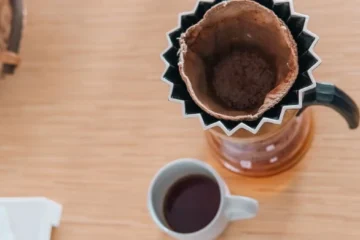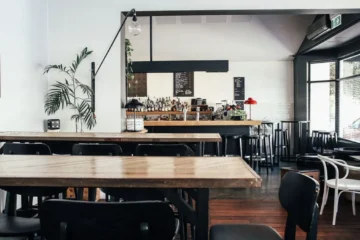
Spain’s coffee culture is finally catching up to its European neighbors. For centuries, dark, sugary “torrefacto” coffee defined the nation’s taste, but a quiet revolution is underway. Specialty coffee—once an afterthought—is now reshaping Spain’s café scene, driven by curiosity, quality, and a growing appetite for terroir-driven brews. The shift isn’t just about flavor; it’s about redefining what coffee means in a country where tradition and innovation now collide.
The roots of Spain’s coffee obsession trace back to 1765, when Madrid’s first café opened. But for much of the 20th century, mass-produced, sugary torrefacto dominated. This method—adding sugar during roasting to enhance color and shelf life—became a cultural habit, masking imperfections and slowing the adoption of higher-quality beans. “It lingered more as a habit than a necessity,” says Sergio Robles of Cafés My Way. Yet, as younger generations embrace nuanced flavor profiles, the old guard is fading. Today, 80% of Spaniards drink coffee daily, with 83% ordering from independent shops in the past year. The numbers don’t lie: specialty coffee is no longer an outlier.
Spain’s specialty scene is still in its infancy compared to Nordic or UK markets, but the momentum is undeniable. Madrid and Barcelona pioneered the shift, with micro-roasters and events like CoffeeFest Madrid amplifying visibility. “The pandemic accelerated acceptance,” says César Ramírez of CoffeeFest Madrid. “Now, quality is a given.” Yet challenges remain: high green coffee prices, reliance on capsules, and the lingering dominance of torrefacto in supermarkets. “We’re still fighting to educate consumers,” says Francisco Gonzalez of Nomad Coffee. “But once they taste the difference, they rarely go back.”
Key Points: Spain’s specialty coffee market is growing despite historical reliance on torrefacto, thanks to cultural shifts and consumer curiosity. Educational efforts and events like CoffeeFest Madrid are bridging the gap between tradition and innovation. International brands and expanding chains are amplifying visibility, but affordability and quality remain critical to sustaining growth.
Will the country’s blend of tradition and experimentation become a blueprint for Europe’s next wave of specialty coffee.
What will Spain’s coffee market look like in a decade? Will the country’s blend of tradition and experimentation become a blueprint for Europe’s next wave of specialty coffee?
Questions & Answers
What defines Spain’s specialty coffee scene?
Spain’s specialty coffee scene is defined by small-batch roasters, focus on quality beans, and a growing culture of coffee education and sustainability.
How is Spain’s coffee market evolving?
Spain’s coffee market is evolving with more emphasis on ethical sourcing, third-wave coffee trends, and a rise in independent cafes prioritizing quality over quantity.
Information sourced from industry reports and news outlets.