
⏱ 2 min read
The Short Version
Ilam’s tea is shedding its "orthodox" label to claim global dominance, recently snagging titles like the World’s Best White Tea. By pivoting to specialty markets, smallholder farmers are bypassing old export routes to capture premium prices and own their flavor narrative.
For decades, Ilam’s tea industry has been tethered to Indian export routes, its potential limited by a lack of market identity. But a shift is underway. Once categorized simply as “orthodox” tea, Nepalese varieties are emerging as premium specialty products, driven by local producers who craft unique flavor profiles to capture an international audience.
Global Recognition and Local Roots
Recent international accolades have validated the exceptional quality of Ilam’s harvests. At the World Tea Expo 2024 in the United States, Ilam’s white tea was named the World’s Best Tea, while another specialty white tea secured Gold at Australia’s Gold Leaf Award 2025. Despite these wins, leaders like Karma Subba argue the region needs more than awards; they advocate for Geographical Indication (GI) status to protect the brand and ensure farmers receive the premium prices their quality deserves.
This movement also highlights a vital economic distinction. Unlike Darjeeling, where large estates own the land and pay pickers wages, Ilam’s tea is grown by smallholders on just one or two acres. In this model, the profits from specialty production go directly into the hands of the farmers themselves. For entrepreneurs like Bhaskar Dahal, bridging this gap is personal. After launching his business in Canada to support smallholders struggling during the pandemic, he has used tastings and festivals to introduce the origin story of the tea to European consumers, turning curious newcomers into repeat buyers.
Cultivating a Culture of Tasting
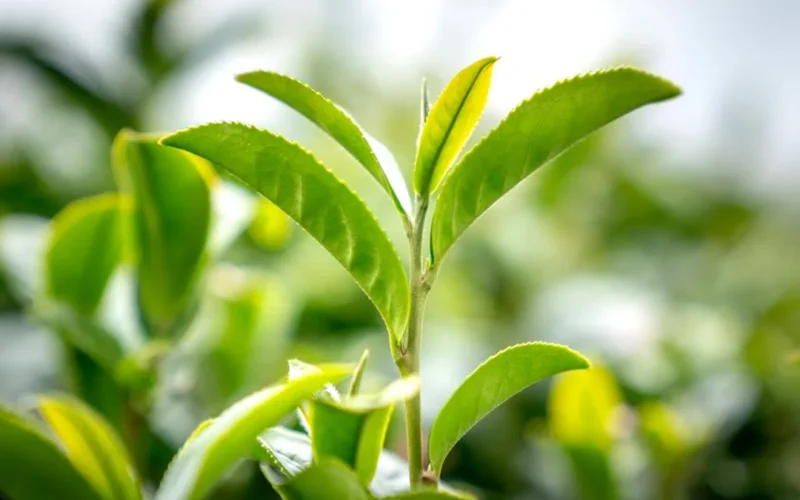
In Ilam itself, businesses are working to raise awareness among locals who may only be familiar with standard black or milk teas. Hari Gurung’s Ilam Tea House serves as an educational hub, offering over 30 varieties including Golden Tips and Roasted Green. Similarly, Jasbire Tea House provides informational talks that reveal how complex notes—such as honey, citrus, and cocoa—emerge from a single plant.
> “Tea tasting is like an addiction… [people] want to see the leaves swirl during brew time when hot water is added … they want to see its infusion, which feels like meditation.”
This sensory experience is now pulling international travelers back to the foothills of Nepal. Whether through specialized tea houses or innovative partnerships like the Nepal Tea Collective’s cafe, the movement is forging a new path: one defined by knowledge, diversity, and a direct connection between the cup and the farmer.
Questions & Answers
What makes Ilam tea different from Darjeeling tea production?
The primary difference lies in the land ownership and economic structure of the tea industry. While Darjeeling relies on large estates that own the land and pay wages to pickers, Ilam tea is primarily grown by smallholders on very small plots of just one or two acres. This smallholder model ensures that the profits generated from specialty tea production go directly to the individual farmers rather than large corporations.
How has Ilam tea gained international recognition in recent years?
Ilam tea has earned global acclaim through major awards at prestigious international tea competitions. At the World Tea Expo 2024 held in the United States, a white tea from the Ilam region was named the World’s Best Tea. Additionally, another specialty white tea from the area secured a Gold medal at Australia’s Gold Leaf Award 2025, helping to establish the region's reputation for high-quality specialty products.
Why are local leaders advocating for Geographical Indication status in Ilam?
Leaders in the region are seeking Geographical Indication status to protect the unique brand identity of Ilam tea. Obtaining this status would help safeguard the region's reputation and ensure that local farmers receive the premium prices their high-quality harvests deserve. This protection is seen as a necessary step beyond winning international awards to create long-term economic stability and brand security for the smallholder community.
What kind of flavor profiles can be found in specialty Ilam tea?
Specialty Ilam teas are known for complex and diverse tasting notes that emerge during the brewing process. Consumers can experience a wide range of sophisticated flavors, including honey, citrus, and cocoa, which are derived from the same plant. Local tea houses in the region offer many varieties, such as Golden Tips and Roasted Green, to help educate people on these unique sensory experiences.
Originally reported by Fresh Cup Magazine.