
⏱ 2 min read
The Short Version
Airtight glass jars won't save your espresso; beans peak and degrade within 45 days regardless of the container. To bypass oxidation, you must portion beans into individual capsules and freeze them immediately to maintain peak freshness for months.
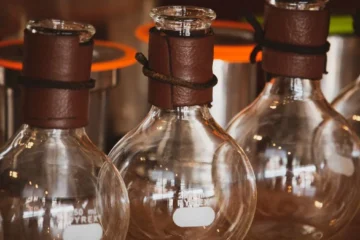
A year of testing reveals that airtight glass capsules alone cannot stop the inevitable decline of roasted coffee. When comparing storage methods for espresso beans, the results suggest that environmental exposure is more critical than the container itself. In one trial, half a bag of beans was split between sealed original packaging and glass capsules with one-way valves. Despite the improved accessibility of the jars, both batches peaked and degraded within the same 30 to 45-day window from the roast date.
These all stayed fresh til the last capsule and I started opening them 3 months or so after I put them in the freezer.
The success of individual portioning
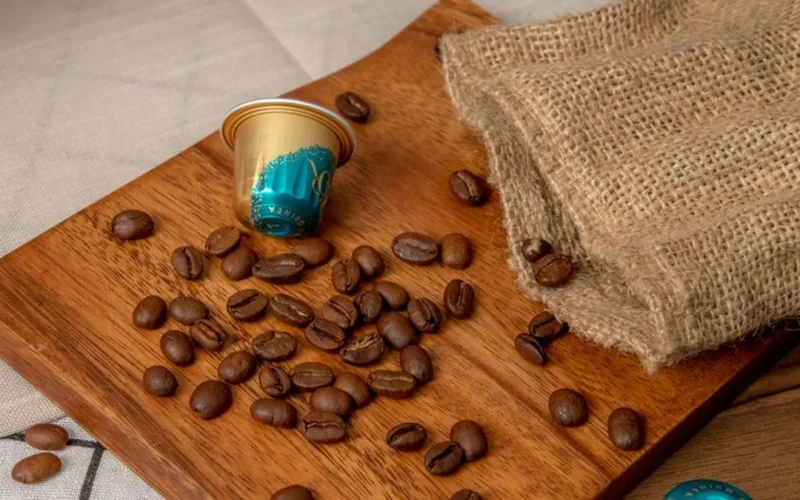
The real breakthrough in shelf life occurred when moving beyond simple airtight containers toward total temperature control. By placing all beans into plastic airtight capsules, sealing those inside a Ziploc bag, and storing them in the freezer, freshness was maintained for over three months. This method allowed for daily use by pulling out single capsules as needed, effectively bypassing the oxidation process. These all stayed fresh til the last capsule and I started opening them 3 months or so after I put them in the freezer. This suggests that portion control combined with sub-zero temperatures is the most effective way to extend a bean’s prime window.
Risks of mid-storage transfers
However, attempting to manage frozen stock through bulk transfers introduces significant risks of degradation. One experiment involved freezing an entire bag in a Ziploc because capsules were unavailable. When the bag was pulled from the freezer six months later to be transferred into individual capsules, the quality plummeted rapidly. Although the beans remained fresh for only 20 to 30 days post-transfer, they immediately began to behave as if they had been sitting at room temperature. It appears that even a brief moment of exposure during the transfer process restarts the clock on oxidation. Once the seal is broken and air enters the system, you cannot simply freeze the beans back into a state of preservation; the damage to the volatile aromatics is already done. To maintain maximum stability, coffee must stay sealed and frozen from the moment it leaves the roaster until the second it hits the grinder.
Do you prefer portioning your beans into single-dose containers before freezing, or do you find bulk freezing more convenient?
Questions & Answers
How can you extend the shelf life of roasted coffee beans?
You can extend the freshness of roasted coffee beans by using portion control combined with sub-zero temperatures. The most effective method involves placing beans into airtight plastic capsules, sealing those capsules inside a Ziploc bag, and storing them in the freezer. This approach maintains freshness for over three months because it bypasses the oxidation process. By pulling out single capsules for daily use, you prevent the entire batch from being exposed to air and moisture.
Why do airtight glass capsules fail to preserve coffee freshness long-term?
Airtight glass capsules fail to stop the decline of roasted coffee because environmental exposure is more critical than the container itself. In testing, beans stored in glass capsules with one-way valves reached their peak and began to degrade within a 30 to 45-day window. While these containers improve accessibility, they do not provide the total temperature control necessary to prevent oxidation. Without sub-zero storage, the volatile aromatics in the beans will inevitably begin to diminish.
What are the risks of transferring frozen coffee beans into individual containers?
The primary risk of transferring frozen coffee beans is the rapid degradation caused by exposure to air during the process. When beans are moved from a bulk frozen bag into individual capsules, the quality plummets as the oxidation clock restarts. Even a brief moment of exposure can damage volatile aromatics, meaning the beans may only stay fresh for 20 to 30 days post-transfer. Once the seal is broken, you cannot freeze them back into a state of perfect preservation.
When does coffee reach its peak quality after being roasted?
Roasted coffee beans typically reach their peak and begin to degrade within a 30 to 45-day window if kept at room temperature. This timeline applies even when using improved storage methods like airtight glass capsules with one-way valves. To bypass this natural decline and maintain stability for several months, beans must remain sealed and frozen from the moment they leave the roaster until they are ready to be ground for brewing.
Originally reported by Reddit Coffee.