⏱ 2 min read
The Short Version
Not all green tea is created equal; some brands deliver a mere 9 mg of EGCG, falling drastically short of the potency needed for cardiovascular benefits. To maximize antioxidants and avoid microplastics, prioritize high-dose matcha or quality tea bags over subpar, low-concentration options.
Green tea’s reputation rests on its antioxidant catechins, specifically EGCG, which are linked to modest reductions in LDL cholesterol and lower risks of cardiovascular disease. However, not all preparations deliver these benefits equally. While health associations often suggest consuming three or more cups per day to see meaningful results, ConsumerLab’s testing found that some products fall drastically short of expectations. Two specific brands were labeled Not Approved after delivering only about 9 mg of EGCG per serving, a stark contrast to the higher concentrations found in other tested options.
Health benefits are generally associated with catechins in green tea, most notably EGCG.
Discrepancies in potency and form
The concentration of active compounds varies wildly depending on whether you are drinking loose leaf, using tea bags, or taking capsules. In tea bags, levels ranged from 29 mg to 118 mg per serving, while supplements provided an even broader spectrum, spanning from 40 mg to 470 mg of EGCG per dose. Health benefits are generally associated with catechins in green tea, most notably EGCG. Even caffeine content fluctuates; decaffeinated teas contained between 1 and 8 mg, whereas standard teas made from roughly 2 grams of leaf held between 17 and 56 mg.
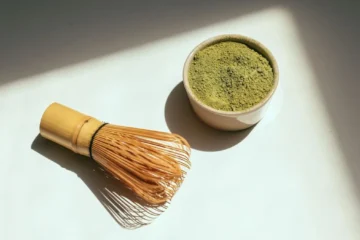
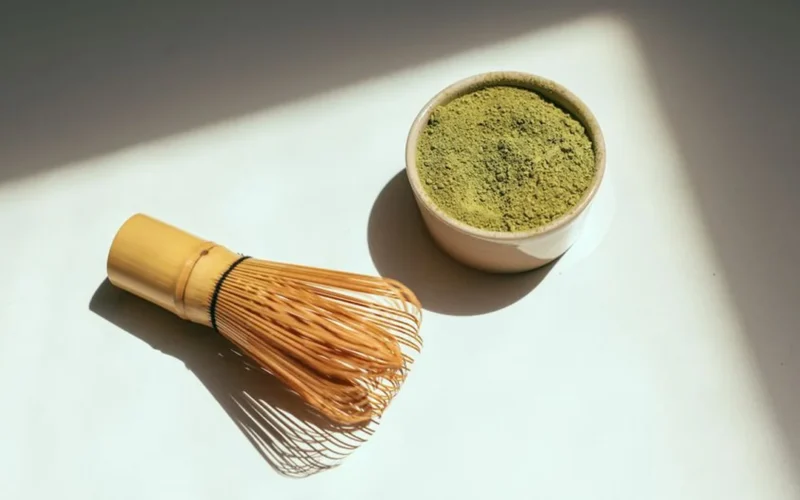
When selecting a product, the format matters as much as the label. For instance, one ceremonial matcha powder was identified as a Top Pick because it provides a high-dose of EGCG at just one-third the price of its competitors. Conversely, certain tea bag materials can compromise your brew; nylon bags may release microplastics and actually reduce the levels of EGCG extracted into your cup.
Safety considerations and consumption habits
While green tea is generally safe, high doses of EGCG from supplements carry risks, including potential liver toxicity—especially if taken without food. There are also concerns regarding heavy metals, though most tested products showed little to no lead or arsenic. Regular consumption of extremely large amounts could also lead to fluorosis due to fluoride content, making bones and teeth brittle.
To maximize safety and efficacy, avoid drinking tea that is excessively hot, as this has been linked to higher gastric cancer risks. Furthermore, pregnant women should exercise caution with both high-dose supplements and general consumption. Whether you choose a high-strength tea bag providing 118.3 mg of EGCG or a moderate supplement, the goal remains finding consistent potency without unnecessary additives.
Do you prioritize the convenience of tea bags or the concentrated potency of matcha and supplements?
Questions & Answers
What are the health benefits of EGCG in green tea?
EGCG provides significant antioxidant benefits that are linked to modest reductions in LDL cholesterol and lower risks of cardiovascular disease. These catechins are the primary active compounds responsible for the positive reputation of green tea. To see meaningful results from these health benefits, health associations often suggest consuming three or more cups of tea per day. However, the amount of EGCG you receive can vary significantly depending on whether you use loose leaf tea, tea bags, or dietary supplements.
How do different green tea formats compare in EGCG potency?
Green tea potency varies widely depending on whether you consume tea bags, loose leaf, or capsules. Tea bags typically provide between 29 mg and 118 mg of EGCG per serving, while supplements offer a much broader spectrum ranging from 40 mg to 470 mg per dose. Matcha powder can also be a highly concentrated option, with some ceremonial grades providing high doses of EGCG at a lower cost than competitors. This discrepancy makes it important to check labels when looking for specific concentrations.
What are the potential risks of consuming high doses of EGCG?
High doses of EGCG from supplements can lead to serious health issues such as potential liver toxicity, especially if the supplements are taken without food. Excessive consumption of large amounts of green tea may also result in fluorosis, which can make teeth and bones brittle due to fluoride content. While most tested products show little to no lead or arsenic, users should remain cautious about heavy metal contamination. Pregnant women should also exercise extra caution regarding both general consumption and high-dose supplements.
Why should I avoid using nylon tea bags for brewing?
Using nylon tea bags can compromise your brew by releasing microplastics into your drink and reducing the amount of EGCG extracted. When these materials interact with hot water, they may negatively impact both the purity and the nutritional potency of the tea. To maximize both safety and efficacy, it is better to choose formats that ensure consistent potency without unnecessary additives. Selecting high-strength tea bags or high-quality powders can help ensure you are receiving the intended antioxidant levels.
Originally reported by ConsumerLab.com.