⏱ 2 min read
The Short Version
Forget the Arabica elitism; Black Sheep Coffee turned the industry's "dirty word" into a powerhouse, with specialty robusta now driving 85% of sales. By prioritizing bold consumer trends over barista gatekeepers, they’ve scaled a contrarian bet into a global empire.
When Gabriel Shohet and Eirik Holth launched Black Sheep Coffee in 2013, specialty robusta was often treated like a dirty word within the industry. While competitors focused exclusively on marketing 100% Arabica, the duo built their business around high-quality robusta, starting at U.K. street markets. Now, with roughly 150 shops across the U.K., the Middle East, and the U.S., that contrarian bet has become the company’s backbone; “Robusta Revival” espresso now accounts for approximately 85% of total sales.
What was really important was not the blessing of the coffee sect of the world; it was really the blessing of the customer on the high street.
Challenging the coffee establishment
The path to scale was not without institutional resistance. Shohet recalls attempting to place their coffee on cupping tables alongside local brands and barista champions in the U.K., only to be rejected by professionals who held rigid biases against the species. However, rather than seeking validation from gatekeepers, the founders prioritized consumer response. What was really important was not the blessing of the coffee sect of the world; it was really the blessing of the customer on the high street. This focus on public demand fueled their move from market stalls to an international presence, including a recent expansion into the U.S. led by Shohet himself.
Leading flavor trends through conviction
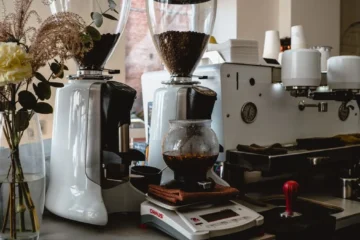
Black Sheep stays ahead of other high-growth chains by leaning into flavors like banana and hojicha before they hit the mainstream. To pull this off, Shohet insists his team must genuinely love the products they launch, preferring to follow emerging customer interests rather than forcing “education” on them. When I tried their signature Robusta Revival espresso pulled on an Eversys machine, the results were clear: it was bold and heavy-bodied but impressively smooth, with classic chocolate and walnut notes.
This commitment to substance extends to how the brand manages its reputation. While many growing chains chase opening-day hype via paid influencer endorsements, Shohet views the practice with skepticism, noting that artificial lines rarely translate to long-term success. For a business facing 15- or 20-year leases, he believes the only sustainable metric is daily consistency. Ultimately, Black Sheep relies on the fact that customers return because they love what they’re drinking, not because of a social media campaign.
Do you think specialty robusta has finally earned its place alongside Arabica in the mainstream market?
Questions & Answers
What makes Black Sheep Coffee's espresso unique compared to other brands?
Black Sheep Coffee uses specialty robusta as the primary component of its signature Robusta Revival espresso. While many competitors focus exclusively on marketing 100% Arabica beans, this specific blend provides a bold and heavy-bodied flavor profile. Customers can expect a smooth drinking experience characterized by classic chocolate and walnut notes. This contrarian approach to coffee sourcing has become the backbone of the company, with the robusta blend accounting for approximately 85% of their total sales.
How does Black Sheep Coffee approach new flavor trends and menu development?
Black Sheep Coffee develops its menu by leaning into emerging flavors like banana and hojicha before they reach the mainstream market. The company prioritizes following genuine customer interests rather than trying to force coffee education onto the public. To ensure success, Gabriel Shohet insists that his team members must personally love the products they launch. This strategy allows the brand to stay ahead of high-growth competitors by staying connected to evolving consumer tastes and preferences.
Why did Black Sheep Coffee face resistance from the coffee industry?
Black Sheep Coffee faced institutional resistance because many industry professionals held rigid biases against the robusta coffee species. When the founders attempted to place their coffee on professional cupping tables alongside established local brands, they were often rejected by barista champions and experts. Instead of seeking validation from these industry gatekeepers, the founders chose to prioritize the response from high street customers. This focus on public demand allowed them to grow from street markets to an international presence.
What marketing strategy does Gabriel Shohet use to ensure long-term business success?
Gabriel Shohet focuses on daily consistency and product quality rather than relying on paid influencer endorsements or artificial social media hype. He views the practice of creating fake lines through influencer campaigns with skepticism, believing they rarely translate to sustainable growth. Since the company manages long-term 15- or 20-year leases, the primary metric for success is whether customers return because they love the drink. This commitment to substance ensures the brand builds a loyal following based on actual experience.
Originally reported by Fresh Cup Magazine.