
⏱ 2 min read
The Short Version
Forget simple organic farming; Montes is leveraging "black gold" vermicast and microbiology to turn Chilean soil into a massive carbon sink. By doubling soil organic matter, they’ve slashed inputs by up to 54% while effectively offsetting their entire carbon footprint.
Climate chaos is no longer a theoretical threat for the Apalta Valley; it is a measurable reality. For Montes, rising GDD fluctuations and erratic rainfall patterns since 2015 signaled that traditional organic farming might not provide the resilience needed to survive. Chief viticulturist Rodrigo Barral steered the estate away from a standard organic conversion, opting instead for a regenerative approach designed to stabilize the vineyard against environmental volatility.
The weeds were our enemies, but now they help us to have the natural balance in the whole vineyard.
Building soil through biology
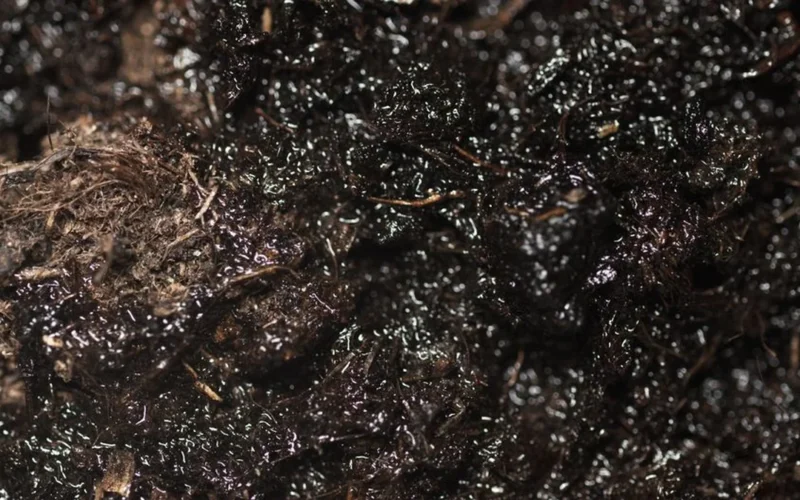
The transition relies on high-tech biological inputs rather than external chemicals. At their Apalta site, which includes 120 hectares of amphitheater-like hillsides, the team utilizes a Biofiltro system to produce vermicast. By using Eisenia fetida worms to break down wood chips, cardboard, and treated winery wastewater, they create “black gold” while simultaneously cleaning the water used for irrigation. They also employ JADAM compost tea—a cost-effective method for culturing microorganisms—and carefully managed compost made from wool and grape marc. The weeds were our enemies, but now they help us to have the natural balance in the whole vineyard.
This focus on microbiology has yielded immediate quantitative results. Since 2023, Montes has been monitoring fungi, bacteria, and protozoa levels, seeing potassium increase by 31% and phosphorus by 22%. These gains have allowed them to slash total inputs in Apalta by 31%, with even more dramatic reductions in Marchigüe, where inputs are down 54%. Most importantly, the strategy is successfully building organic matter; after starting at 1.5%, soil organic material reached 3% within three years.
Carbon sequestration and climate resilience
Beyond vine health, the move toward regenerative practices serves as a massive carbon sink. Barral notes that increasing organic matter in the first 30 cm of soil by just 1% can store 83 tonnes of CO2 per hectare. For Montes, adding 0.4% organic material annually effectively offsets all their carbon dioxide emissions. This technical rigor extends to their production, seen in wines like the Outer Limits Pinot Noir from Zapallar, which utilizes carbonic maceration and stem inclusion to express terroir without heavy intervention. By prioritizing soil health over simple chemical avoidance, Montes is treating the vineyard as a living, breathing system capable of weathering the new climatic normal.
How much weight should we place on soil organic matter when evaluating the sustainability of a premium wine?
Questions & Answers
Why is Montes switching from organic to regenerative viticulture?
Montes is pivoting to regenerative viticulture to build greater resilience against climate chaos and environmental volatility in the Apalta Valley. Rising GDD fluctuations and erratic rainfall patterns since 2015 signaled that traditional organic farming might not be enough to ensure long-term survival. By focusing on soil biology rather than just avoiding chemicals, the estate aims to stabilize the vineyard against a changing climate while treating the entire ecosystem as a living, breathing system.
How does the Biofiltro system work at Montes vineyards?
The Biofiltro system produces vermicast by using Eisenia fetida worms to break down materials like wood chips, cardboard, and treated winery wastewater. This biological process creates a nutrient-rich substance often called black gold while simultaneously cleaning the water used for irrigation. This high-tech approach to biological inputs allows the estate to build soil health and manage resources effectively without relying on external chemical additives during the vineyard management process.
What are the benefits of increasing soil organic matter in vineyards?
Increasing soil organic matter improves nutrient levels and serves as a powerful tool for carbon sequestration. At Montes, increasing organic matter in the first 30 cm of soil by just 1% can store 83 tonnes of CO2 per hectare. This strategy has already yielded quantitative results, including a 31% increase in potassium and a 22% increase in phosphorus. These biological gains allow the estate to significantly reduce total external inputs while offsetting carbon dioxide emissions.
How has regenerative farming impacted input usage at Montes?
Regenerative farming practices have significantly reduced the need for external inputs at Montes locations. In the Apalta site, the focus on microbiology has allowed the team to slash total inputs by 31% since 2023. The impact is even more pronounced in the Marchigüe region, where the reduction in inputs has reached 54%. These decreases are driven by a focus on building soil health through microorganisms, compost tea, and managed organic matter rather than traditional farming methods.
Originally reported by Wine Anorak.