
⏱ 2 min read
The Short Version
Hidden within eight kilometers of tuffeau stone cellars, Bouvet Ladubay has spent 175 years perfecting the art of Saumur sparkling wine. By blending Chenin Blanc, Chardonnay, and Cabernet Franc, this fourth-generation maison delivers mineral-driven elegance designed for everything from casual picnics to fine dining.
Etienne Bouvet and Célestine Ladubay founded their maison in 1851, establishing a legacy that has since grown into the largest producer of méthode traditionnelle sparkling wine in Saumur. Now entering its 175th year, the house—managed by four generations of the Monmousseau family—continues to define the effervescent character of France’s Loire Valley. From its historic roots beneath an old abbey to global exports in 50 countries, the producer remains anchored in the unique geology of the region.
Nothing is more essential to the finesse of bubbles than art and artists.
The alchemy of tuffeau stone
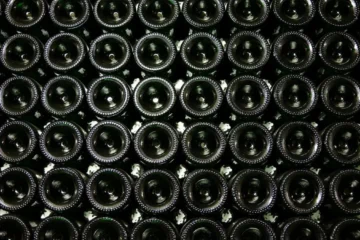
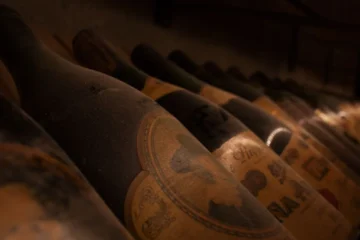
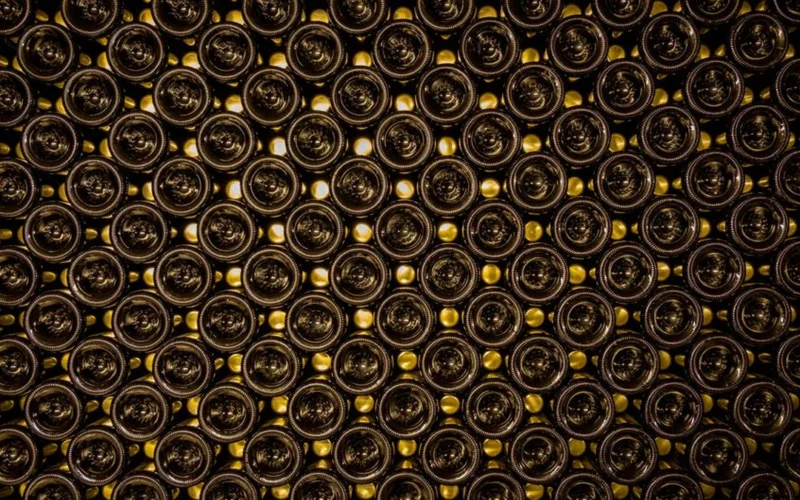
The excellence of Bouvet Ladubay’s portfolio begins underground. The Loire’s signature limestone, known as tuffeau, acts as both a building material and a viticultural engine. This soft, porous “stone of light” creates the chalky soil essential for the region’s grapes and provides natural climate control within the estate’s eight kilometers of cellars. Nothing is more essential to the finesse of bubbles than art and artists. Patrice Monmousseau uses this subterranean environment to mature wines that reflect the distinct minerality of the terroir.
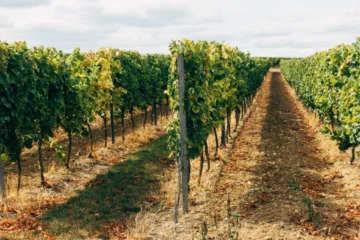
The house relies on three primary varieties to craft its blends: Chenin Blanc, Chardonnay, and Cabernet Franc. While Chenin Blanc offers fruity aromas and a balanced palate, Chardonnay brings firmness and body to the white wines. For rosés, the estate utilizes Cabernet Franc, a variety that has been part of the Loire landscape since the 11th century. By working with roughly 80 winegrowers across 100 different plots, the maison ensures each Cuvée serves as a sippable time capsule of the season.
Versatility from picnic to dinner party
Bouvet Ladubay positions its sparkling wines as accessible elegance rather than strictly ceremonial luxuries. The Bouvet Crémant de Loire, featuring notes of green apple and toast, is designed for all-day sipping alongside poultry or freshwater fish. For warmer settings, the Bouvet Rosé Excellence offers a fruity foil for spicy barbecue, while the Bouvet Signature Brut delivers brioche and pear notes that pair equally well with a cheese plate or a complex meal.
Beyond the bottle, the Monmousseau family maintains a commitment to cultural patronage through the Bouvet Ladubay Contemporary Art Center and the restoration of the estate’s original theatre. This intersection of art and agriculture remains central to their identity as they continue to export their Saumur specialties to markets including the United States via Kobrand.
Does the mineral character of limestone soil change how you approach pairing sparkling wines?
Questions & Answers
What grape varieties does Bouvet Ladubay use to make its sparkling wines?
Bouvet Ladubay utilizes three primary grape varieties to craft its diverse portfolio of sparkling wines. Chenin Blanc is used to provide fruity aromas and a balanced palate, while Chardonnay adds firmness and body to the white blends. For their rosé selections, the estate relies on Cabernet Franc, a variety deeply rooted in the Loire landscape since the 11th century. By working with roughly 80 winegrowers across 100 different plots, the maison ensures each Cuvée reflects the specific character of the season.
How does the tuffeau stone affect the production of Saumur sparkling wines?
The tuffeau limestone acts as both a viticultural engine for the grapes and a natural climate control system for the wine. This soft, porous stone creates the essential chalky soil required for the region's unique terroir and provides a stable environment within the estate's eight kilometers of underground cellars. Patrice Monmousseau utilizes this subterranean setting to mature wines, allowing the distinct minerality of the limestone to influence the finesse and character of the bubbles produced by the maison.
What food pairings are recommended for different Bouvet Ladubay sparkling wines?
Different Bouvet Ladubay expressions offer versatility for various dining occasions ranging from casual picnics to formal dinners. The Bouvet Crémant de Loire features notes of green apple and toast, making it an ideal companion for poultry or freshwater fish. For warmer settings, the Rosé Excellence provides a fruity contrast to spicy barbecue dishes. Additionally, the Bouvet Signature Brut delivers brioche and pear notes that pair effectively with both a simple cheese plate or a more complex, multi-course meal.
Why is the Monmousseau family involved in art and culture?
The Monmousseau family maintains a commitment to cultural patronage to integrate art and agriculture into the identity of the estate. They support the local community and the history of the region through the Bouvet Ladubay Contemporary Art Center and the restoration of the estate's original theatre. This intersection of creativity and viticulture is central to the house's heritage as they celebrate their 175th year of production. These cultural efforts complement their legacy as a major producer of méthode traditionnelle sparkling wine.
Originally reported by VinePair.