⏱ 2 min read
The Short Version
Coffee is no longer just a commodity; it’s a tool for ecosystem restoration. Lavazza’s new professional blend proves that premium sensory quality—think jasmine and milk chocolate—is now inseparable from the soil fertility and biodiversity achieved through regenerative agriculture.
Lavazza has launched La Reserva de ¡Tierra! Selection, marking its first coffee for the away-from-home segment to carry the Rainforest Alliance Regenerative Agriculture certification. Coffee is no longer just a commodity; it is an agricultural product where sensory quality is inseparable from ecosystem health. This marks a shift beyond simple sustainability toward regenerative agriculture, which aims to actively restore soil fertility, water availability, and biodiversity.
It gives us higher yields every year, which helps the plants make better use of the nutrients.
From pastureland to productive ecosystems
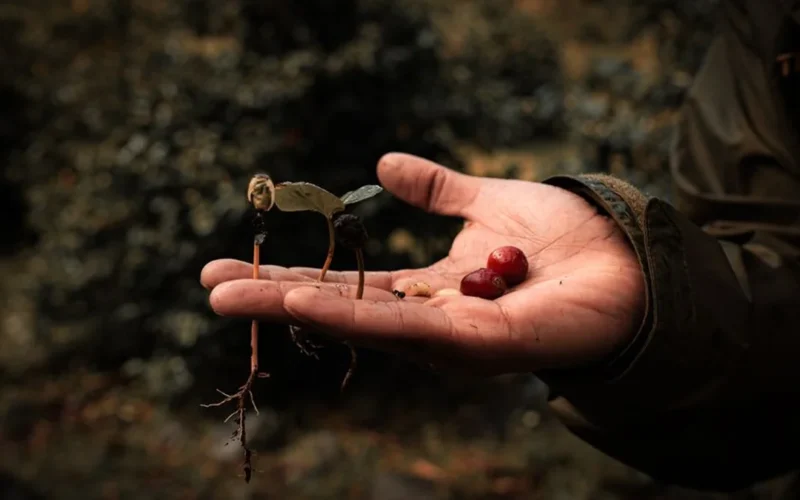
In Honduras, this transition requires significant upfront investment and technical support. Coffee grower Alma Iris Saravia notes that she originally purchased her land as cattle pasture, but has since restored it through coffee cultivation and regenerative methods. She reports seeing immediate changes in both the soil and the plants. However, these improvements come with economic friction. Producer Edward Aria notes that while implementing these practices “costs a little more in the end,” the investment pays off through higher annual yields and better nutrient use. It gives us higher yields every year, which helps the plants make better use of the nutrients.
To ensure these methods are economically viable rather than just technically valid, Lavazza Food and Innovation Director Francesca Dangelico employs a “test-and-learn” approach. Rather than offering vague support, the company provides targeted project financing and develops on-farm demonstration areas to help farmers navigate the costs. Through Lavazza’s support for the Rainforest Alliance’s early implementation program, more than 70 farms in Honduras have already achieved certification. The La Reserva de ¡Tierra! Selection blend pulls from these certified territories in Honduras and Brazil, involving over 300 producers.
Integrating resilience into quality profiles
The new selection is a 100 per cent Arabica blend, combining natural Arabica from Brazil with washed Arabica from Honduras to produce notes of jasmine, almond, and milk chocolate. For professional baristas, this represents a shift in how premium storytelling functions. Michele Cannone, Lavazza Marketing Away From Home Director, suggests that while prestige has historically been built on origin and varietals, regeneration adds the condition of the land and farming resilience to the narrative.
This strategy treats agricultural health as an inseparable component of sensory quality. By providing direct involvement in field implementation alongside double certification, Lavazza is proving that measurable environmental impact can meet the high-performance demands of the foodservice sector. As consumer expectations evolve, the industry is moving toward a definition of quality that includes the literal restoration of the soil.
Do you believe regenerative certification will become a standard requirement for specialty coffee?
Questions & Answers
What is the difference between sustainability and regenerative agriculture in coffee farming?
Regenerative agriculture aims to actively restore ecosystem health rather than just maintaining current sustainability standards. While sustainability focuses on minimizing harm, regenerative methods seek to improve soil fertility, increase water availability, and enhance biodiversity. This approach treats coffee as an agricultural product where the sensory quality of the bean is inseparable from the health of the surrounding ecosystem. By focusing on restoration, farmers can create more productive ecosystems from former pastureland through specialized cultivation techniques.
How does Lavazza support coffee farmers in implementing regenerative practices?
Lavazza provides targeted project financing and develops on-farm demonstration areas to help farmers manage the transition to regenerative methods. This test-and-learn approach ensures that new agricultural practices are economically viable for producers facing high upfront costs. Through support for the Rainforest Alliance’s early implementation program, the company has helped more than 70 farms in Honduras achieve certification. This direct involvement helps farmers navigate the financial friction associated with improving soil health and long-term crop yields.
What are the flavor profiles of the La Reserva de ¡Tierra! Selection blend?
The La Reserva de ¡Tierra! Selection is a 100 per cent Arabica blend featuring notes of jasmine, almond, and milk chocolate. This professional blend is created by combining natural Arabica beans from Brazil with washed Arabica beans sourced from Honduras. The blend represents a shift in premium coffee storytelling, where the quality of the flavor profile is linked to the resilience of the land. It is specifically designed to meet the high-performance demands of the professional foodservice sector.
Why does regenerative agriculture lead to higher coffee yields for producers?
Regenerative agriculture leads to higher annual yields by improving soil fertility and helping plants make better use of available nutrients. Although implementing these practices requires more significant upfront investment and technical support, the long-term benefits include more productive ecosystems. Producers have reported seeing immediate positive changes in both the soil and the plants after transitioning from cattle pasture to coffee cultivation. This improved nutrient use helps ensure that the farm remains economically viable while restoring the environment.
Originally reported by Global Coffee Report.