⏱ 2 min read
The Short Version
Forget the soil; coffee’s true power lies in the hands of the masters. From Tokyo’s technical obsession to Vienna’s storied rituals, global capitals are redefining the bean through specialized roasting and hyper-precise brewing artistry.
Coffee consumption transcends simple caffeine delivery in cities like Melbourne, Tokyo, and Vienna, where brewing methods and specialized roasters have elevated the beverage into a cultural cornerstone. While few of these metropolitan hubs grow coffee locally, their influence stems from a sophisticated mastery of imported beans. These cities serve as global nerve centers for roasting expertise and technical precision, transforming raw imports into highly curated sensory experiences.
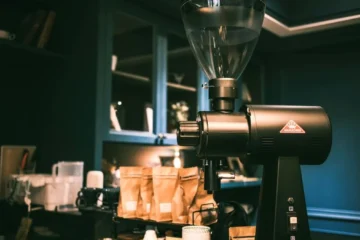
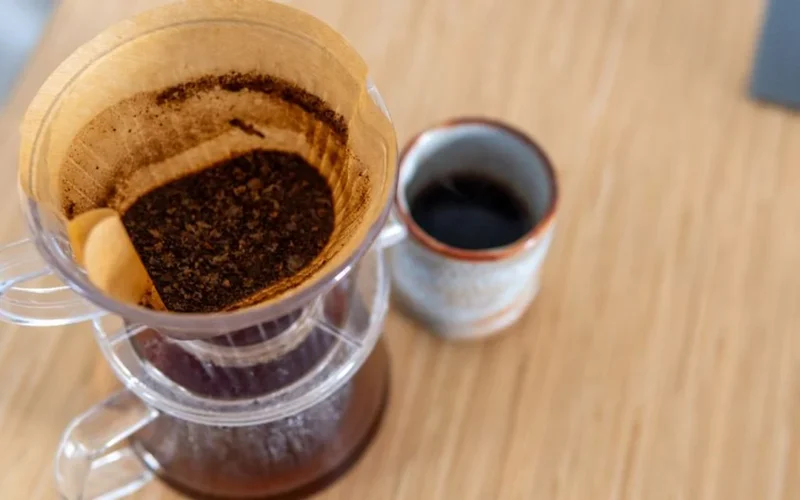
Tokyo’s distinctive approach lies in the attention given to variables such as grind size, water temperature, extraction time, and final presentation.
Precision Brewing and Nordic Influence
The Nordic movement is currently defining much of the specialty landscape through a commitment to light roasting. In Copenhagen, The Coffee Collective maintains direct relationships with producers to ensure quality control from farm to cup, focusing on preserving fruity and floral notes. Oslo follows a similar trajectory, where internationally recognized baristas prioritize high-quality raw products and meticulous grinding processes. This preference for light roasts stands in stark contrast to more traditional, darker styles found elsewhere.
Across the Pacific, Tokyo has mastered a different kind of rigor, emphasizing extreme attention to variables such as grind size, water temperature, extraction time, and final presentation. Tokyo’s distinctive approach lies in the attention given to variables such as grind size, water temperature, extraction time, and final presentation. Meanwhile, Melbourne has cemented its status as a specialty capital through an extensive network of independent cafés that popularized the flat white and continue to drive rigorous barista training standards.
Tradition Meets Modern Innovation
Not all coffee cultures are defined by modern specialty trends; some rely on deep historical roots. Vienna’s coffeehouse culture, recognized since 2011 as part of Austria’s Intangible Cultural Heritage, offers classic preparations like the Melange alongside a new wave of single-origin shops. Similarly, Rome remains the global benchmark for espresso tradition, where drinking coffee is a quick, standing ritual at the counter.
In the United States, Seattle and Portland represent two distinct pillars of the industry. Seattle acted as the catalyst for the American movement, driving national attention toward bean origin, while Portland has leaned into artisanal sustainability. Stumptown Coffee Roasters, founded in 1999, exemplifies this via its long-standing direct-sourcing model with farms in Guatemala. Elsewhere, Seoul demonstrates how innovation can reshape a beverage entirely; by integrating coffee with food, design, and themed experiences, the city has transformed Western traditions into a uniquely South Korean concept. From London’s diverse import market to these evolving urban landscapes, the true value lies not in the soil where beans grow, but in the expertise used to prepare them.
Do you find yourself drawn more to the precision of modern specialty roasts or the storied traditions of historic coffeehouses?
Questions & Answers
What defines the Nordic approach to specialty coffee roasting?
The Nordic movement is characterized by a commitment to light roasting profiles that preserve the natural fruity and floral notes of the beans. This style focuses on high-quality raw products and meticulous technical precision during the grinding and brewing processes. In cities like Copenhagen and Oslo, roasters maintain direct relationships with producers to ensure strict quality control from the farm to the final cup, standing in stark contrast to more traditional darker roasting styles.
How does Tokyo's coffee culture differ from other metropolitan hubs?
Tokyo's coffee culture is defined by extreme rigor and an intense attention to technical variables during the brewing process. Practitioners focus heavily on controlling specific elements such as grind size, water temperature, extraction time, and the final aesthetic presentation of the beverage. This meticulous approach to precision distinguishes Tokyo's specialty landscape, where the mastery of technical details is used to transform imported beans into highly curated and sophisticated sensory experiences.
Why is Vienna considered a significant location for coffee tradition?
Vienna is a significant coffee hub because its historic coffeehouse culture is recognized as part of Austria’s Intangible Cultural Heritage. The city maintains a unique balance between deep-rooted historical traditions and modern innovation. While classic preparations like the Melange remain central to its identity, the landscape is also evolving through the emergence of a new wave of single-origin shops that cater to contemporary specialty coffee enthusiasts.
What makes Seoul's approach to coffee unique compared to Western traditions?
Seoul distinguishes itself by integrating coffee with food, design, and themed experiences to create a uniquely South Korean concept. Rather than simply following Western brewing traditions, the city uses innovation to reshape the beverage into a holistic lifestyle experience. This method transforms coffee consumption from a simple drink into a multifaceted cultural event that blends the beverage with various artistic and social elements found within the urban landscape.
Originally reported by ColombiaOne.com.