⏱ 2 min read
The Short Version
Forget the expected fruit bomb; this 2018 Corton Les Renardes is a shapeshifter that trades dense layers of licorice and butterscotch for a startlingly lean, raspberry seltzer finish. It is a high-wire act of textural evolution that demands patience and aeration to master.
In This Article
Thibault Liger-Belair manages just 0.3 hectares of mid-slope vines planted in 1956 within the Corton Les Renardes Grand Cru. While expectations for such old vines are high, the 2018 vintage presents a profile that is difficult to pin down. It is a wine defined by non-primary components that drive the experience, often shifting significantly as the bottle breathes in the glass.
More tart than acidic, with non-primary components directing the show.
A Delicate and Shifting Nose
The initial aromatic profile is surprisingly light, leaning into sweet hints of red and black fruit preserves rather than raw primary fruit. There is an earthy undertone accompanied by a light copper aroma reminiscent of matured fruit jams, which eventually settles into notes of stale, earthy berries. This delicacy prevents the bouquet from being the wine’s strongest asset, forcing the palate to do much of the heavy lifting.
More tart than acidic, with non-primary components directing the show. As the wine opens, the entry offers orchard fruit juice alongside subtle notes of biscuits and crackers. The mid-palate begins with a certain roughness before smoothing out after about an hour of aeration. Once stabilized, it reveals layers of licorice smoke, floral elements, and dessert-like nuances including diluted milk chocolate and butterscotch.
Texture and Evolving Finish
On the palate, the weight sits between medium and full, supported by seamless tannins that transition into a chalky texture on the back end. These structural elements are punctuated by pinches of iron and a bitterness that suggests dried fruit stems. The complexity is high, but it can feel scattered, moving through flavors of pie crust and tart raspberries toward a more mature finish of old strawberries and purple plums.
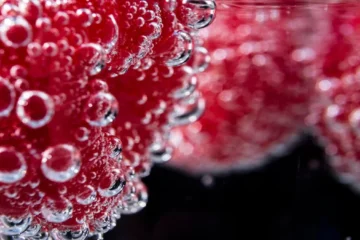
As time passes, the character of the 2018 undergoes a peculiar transformation. After several hours in the glass, the dense complexity gives way to something much leaner, leaving an aftertaste akin to drinking dry raspberry seltzer. While the wine shows signs of approaching its peak, its tendency to wander through such diverse flavor profiles makes it a challenging, if intriguing, study in textural evolution.
Does the shift from complex fruit preserves to a light raspberry seltzer profile suggest this vintage needs more cellar time?
Questions & Answers
What are the primary flavor profiles of the 2018 Thibault Liger-Belair Corton Les Renardes?
The 2018 vintage features a profile defined by non-primary components such as sweet red and black fruit preserves, earthy undertones, and hints of copper. As the wine breathes, the palate reveals complex layers including licorice smoke, floral elements, and dessert-like nuances of butterscotch and diluted milk chocolate. These flavors transition from orchard fruit juice and biscuits into a more mature finish characterized by old strawberries and purple plums, making the tasting experience highly dynamic and evolving.
How does the texture of this Corton Les Renardes Grand Cru change during aeration?
The wine's texture moves from an initial mid-palate roughness to a smoother, more stabilized sensation after approximately one hour of aeration. It maintains a weight between medium and full, supported by seamless tannins that eventually transition into a chalky back-end texture. This structural evolution is further punctuated by unique sensations of iron and a bitterness reminiscent of dried fruit stems. The overall experience is a complex study in textural shifts that move from dense complexity toward a leaner finish.
Why is the 2018 Thibault Liger-Belair Corton Les Renardes considered an unstable wine?
This wine is considered unstable because its flavor profile undergoes significant and peculiar transformations as it sits in the glass. While it initially presents as a dense and complex wine with notes of fruit preserves and pie crust, it can shift dramatically after several hours of exposure to air. The profile eventually gives way to a much leaner character, leaving an aftertaste similar to dry raspberry seltzer. This tendency to wander through diverse and contrasting flavor profiles makes the vintage difficult to pin down.
What characterizes the aromatic nose of the 2018 vintage?
The aromatic nose is characterized by a surprisingly light profile that emphasizes sweet hints of red and black fruit preserves rather than raw primary fruit. It features a distinctive earthy undertone combined with a light copper aroma that resembles matured fruit jams. This delicate bouquet eventually settles into notes of stale, earthy berries. Because the nose is relatively light and delicate, the wine relies heavily on the palate to provide its primary depth and complexity during the tasting process.
Originally reported by Reddit Wine.