
⏱ 1 min read
The Short Version
Forget the roast; the secret to specialty-grade coffee lies in the fungi. By leveraging the *Talaromyces funiculosus KQ2* strain, producers can engineer massive boosts in sucrose and distinct vanilla-cinnamon aromas, shifting fermentation from unpredictable luck to precision flavor science.
In This Article
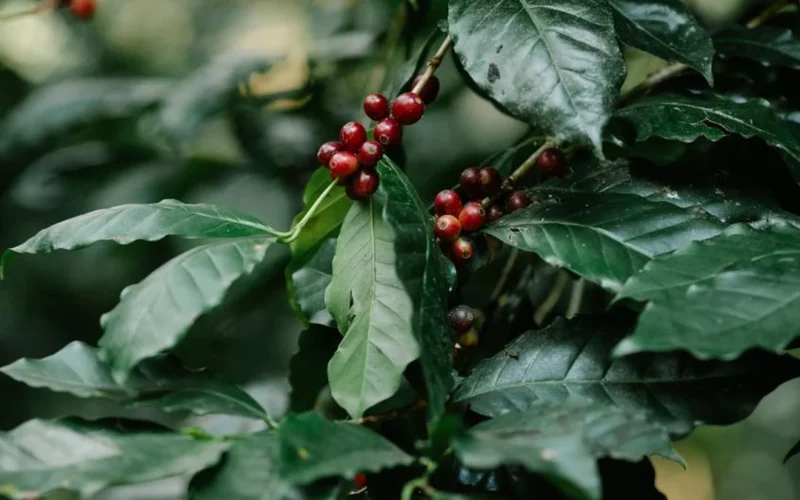
Pour yourself a cup for this one: the secret to next-level flavor might not be in the roast, but in the fungi living inside the cherry. A recent study published in Food Chemistry reveals that endophytic fungi—microorganisms that naturally colonize coffee plants—can fundamentally rewrite a bean’s chemical profile. By studying Arabica cultivars from Yunnan, researchers discovered that specific fungal strains do far more than just sit in the plant; they actively engineer its sensory potential.
KQ2 fermentation raised the sensory score by 1.5 points, pushing the coffee into specialty-grade classification.
Precision Flavor Engineering
The research centered on a microbial library of 655 strains, but one standout emerged: Talaromyces funiculosus KQ2. This specific fungus acts as a potent flavor modifier during fermentation, moving beyond mere survival to active transformation. KQ2 fermentation raised the sensory score by 1.5 points, pushing the coffee into specialty-grade classification. This jump isn’t accidental or subtle. The strain produces a distinctive vanilla-cinnamon aroma driven by high levels of 1,3-dimethoxybenzene, a compound present well above the threshold of human detection.
Beyond Aroma and Sweetness
While the scent profile is striking, the chemical shifts run much deeper. The KQ2 strain increased sucrose content by over 17 percent compared to unfermented controls. This boost in sugar is critical because it dictates both the perceived sweetness in the cup and how the beans undergo Maillard browning during the roasting process. Through multivariate modeling, scientists identified dozens of unique metabolic markers that distinguish these fermented beans, providing a chemical roadmap for quality control. This discovery signals a pivot from spontaneous fermentation toward intentional microbial management. Much like winemakers select specific yeast strains to achieve a desired profile, coffee producers may soon use targeted fungal inoculation to ensure consistent, high-scoring results. We are moving away from relying on unpredictable environmental variables and toward a future of reproducible excellence. For an industry obsessed with differentiation, this offers a scientific pathway to repeatable complexity. Do you think controlled fungal inoculation will become as standard as yeast selection in winemaking?
Questions & Answers
What is Talaromyces funiculosus KQ2?
Talaromyces funiculosus KQ2 is a specific strain of endophytic fungus that acts as a potent flavor modifier during coffee fermentation. This microorganism naturally colonizes coffee plants and can fundamentally rewrite a bean's chemical profile to enhance its sensory potential. In recent studies, this particular strain was shown to raise sensory scores by 1.5 points, effectively pushing coffee into the specialty-grade classification by producing unique aromatic compounds and increasing sugar content.
How does fungal fermentation change the flavor of coffee beans?
Fungal fermentation changes coffee flavor by altering the bean's chemical composition and increasing specific aromatic compounds. The Talaromyces funiculosus KQ2 strain, for example, produces a distinctive vanilla-cinnamon aroma driven by high levels of 1,3-dimethoxybenzene. Additionally, this fermentation process can increase sucrose content by over 17 percent. This boost in sugar is critical because it dictates the perceived sweetness in the final cup and influences how the beans undergo Maillard browning during roasting.
Why is the increase in sucrose content important for coffee roasting?
Increasing sucrose content is important because it directly impacts both the sweetness profile of the coffee and the chemical reactions during the roasting process. Higher sugar levels dictate the perceived sweetness experienced by the consumer in the final cup. Furthermore, these elevated sugar levels influence how the beans undergo Maillard browning, which is the essential chemical reaction that develops complex flavors and colors during roasting. This makes sugar management a vital component of high-quality coffee production.
What is the benefit of using controlled fungal inoculation in coffee production?
Controlled fungal inoculation allows coffee producers to move away from unpredictable environmental variables toward a future of reproducible excellence and consistent quality. By using targeted microbial management, producers can achieve specific, repeatable flavor profiles rather than relying on spontaneous fermentation. This scientific approach provides a pathway to repeatable complexity and differentiation, similar to how winemakers select specific yeast strains to ensure their wines meet precise sensory standards and high-quality classifications.
Originally reported by Barista Magazine.