⏱ 2 min read
The Short Version
Forget predictable seaweed notes; Enshi Yulu can deliver a profound, unmistakable apple aroma that evolves into creamy yogurt and tart jam. This rare sensory profile proves that modern tea standardization is actively erasing extraordinary, complex flavors from our history.
Real talk: we often assume that once a flavor profile is gone from the tea world, it is lost to history forever. Most steamed Chinese teas settle into predictable categories, leaning heavily toward seaweed or young chestnut notes. While these profiles are classic, they represent only a fraction of what traditional processing might actually achieve. My search for the truth behind the connection between Japanese Gyokuro and Chinese Yulu led me to an old state-owned factory in Enshi, where the past is held in fading photo albums rather than modern marketing decks.
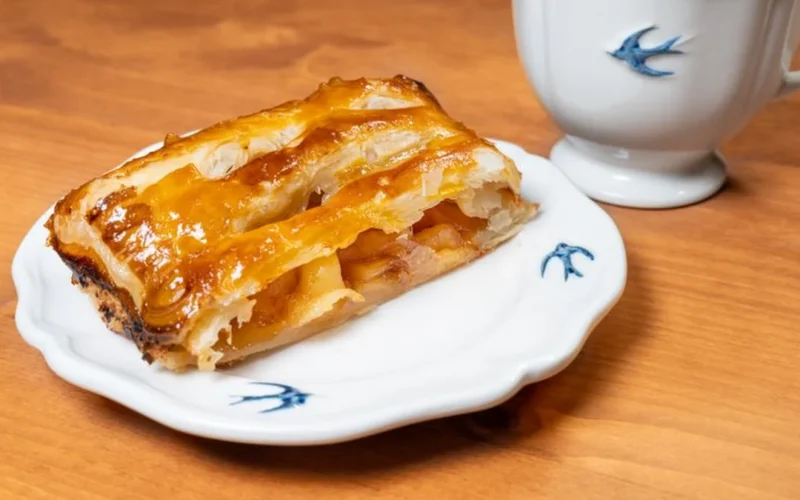
I made an apple aroma one back then.
A Connection Preserved in Photos
The history of Enshi Yulu is deeply intertwined with Japanese research, specifically through the work of Matsushita Satoshi, who studied the technique decades ago. Finding the man responsible for much of this era required navigating a world without social media, eventually leading to a meeting with a retired factory director named Qiu. He no longer produces Yulu, and for a time, it seemed as though his specific mastery had vanished along with the industrial scale of the old factories. I made an apple aroma one back then. At first, I dismissed the claim; in the tea world, fruit notes are often mere suggestions rather than true substance.
The Resurrection of a Flavor Profile
Qiu proved me wrong by crafting a small, handmade sample that defied my skepticism. This wasn’t a subtle hint of orchard fruit; it was a profound, unmistakable apple aroma that stood up to eight successive steepings. The experience felt less like drinking a beverage and more like sitting through a full course meal. It begins with a bright floral freshness before transitioning into a sweet, tart jam profile. As the liquor develops, a creamy texture emerges, blending savory nori and salt with unexpected notes of yogurt and butter. This discovery serves as a sobering reminder of how much we lose to standardization. When we prioritize uniform profiles, we risk the permanent extinction of extraordinary sensory experiences. We cannot afford to let these unique expressions of terroir and technique slip into obscurity simply because they don’t fit a modern commercial mold. Have you ever tasted something so distinct that you feared it might never be found again?
Questions & Answers
What are the unique flavor characteristics of Enshi Yulu tea?
Enshi Yulu is characterized by a profound and unmistakable apple aroma that persists through multiple steepings. The sensory experience begins with a bright floral freshness that eventually transitions into a sweet, tart jam profile. As the liquor develops, it provides a creamy texture that blends savory nori and salt notes with unexpected hints of yogurt and butter. This complex profile stands in stark contrast to the more common seaweed or chestnut notes found in most steamed Chinese teas.
How does Enshi Yulu relate to Japanese tea research?
The history of Enshi Yulu is deeply intertwined with Japanese research conducted by Matsushita Satoshi, who studied its specific production techniques decades ago. This historical connection highlights the cross-cultural exchange involved in developing the tea's unique profile. Much of this specialized knowledge was preserved through individuals like retired factory director Qiu, who maintained the mastery of the traditional processing methods that created the distinctive fruit-forward aroma once common in the region's old state-owned factories.
Why is the specific aroma of Enshi Yulu considered a lost profile?
The unique apple aroma of Enshi Yulu is considered lost because modern tea production often prioritizes standardization and uniform flavor profiles. As industrial scales shifted away from traditional methods, extraordinary sensory experiences were sacrificed to fit commercial molds. Most steamed Chinese teas now settle into predictable categories like young chestnut or seaweed. This shift toward mass-market consistency risks the permanent extinction of unique expressions of terroir and specialized processing techniques that once defined high-quality Yulu.
What distinguishes Enshi Yulu from typical steamed Chinese teas?
Enshi Yulu is distinguished by its intense fruit-driven profile rather than the predictable seaweed or chestnut notes found in most steamed Chinese teas. While standard varieties offer more common savory flavors, a true Enshi Yulu provides a deep apple aroma that remains robust through up to eight successive steepings. The tea offers a multi-layered experience that moves from floral freshness to a creamy, jam-like consistency, making it feel more like a full course meal than a simple beverage.
Originally reported by Reddit Tea.