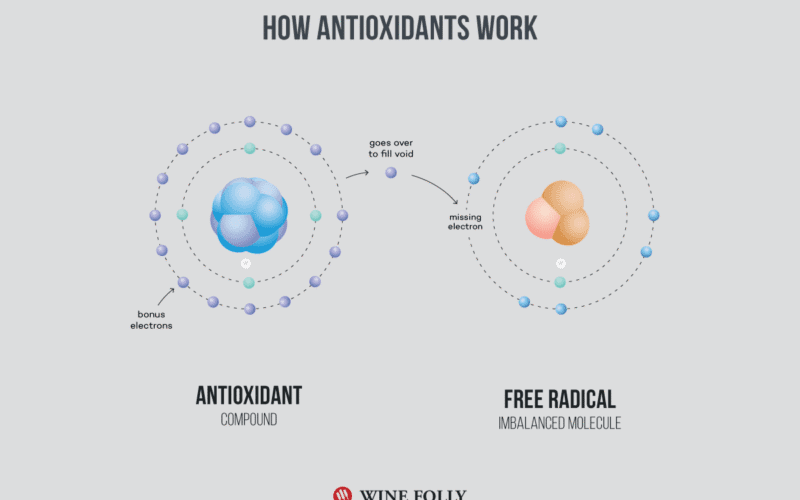
Here’s what you need to know: Wine’s antioxidants are often touted as health heroes, but the science behind them is more nuanced than a glass of red at dinner. The idea that wine can shield your cells from oxidative stress feels like a modern-day alchemy—until you peel back the layers. Antioxidants aren’t magic bullets; they’re molecular sentinels that neutralize free radicals, those unstable molecules that wreak havoc on your cells. Without them, oxidative stress accelerates aging and fuels chronic diseases. Yet wine’s role in this battle is neither hero nor villain—it’s a complicated ally.
Red wine, in particular, is rich in polyphenols like resveratrol, which have sparked decades of research. These compounds may bolster heart health and inflammation control, but their impact isn’t a guarantee. White wine, while lower in polyphenols, still contributes antioxidants like quercetin. The problem? Wine isn’t a health supplement—it’s an alcoholic beverage. The CDC warns that even moderate consumption (one drink daily for women, two for men) carries risks. Alcohol itself generates free radicals, potentially undermining the very benefits it’s supposed to offer.
So where does that leave us? Wine’s antioxidants are real, but they’re not a license to drink freely. The science suggests moderation is key, and the evidence for long-term health gains remains inconclusive. That said, wine’s value isn’t just in its chemistry—it’s in its ritual. A glass shared with friends, paired with good food, transforms into a moment of connection. The antioxidants are a bonus, but the real magic lies in the experience.
Key points: Antioxidants combat oxidative stress, but wine’s benefits are amplified when consumed responsibly. While red and white wines both offer protective compounds, alcohol’s role complicates their impact. Ultimately, wine’s true worth isn’t measured in lab results but in the joy it brings to a table.
So, is wine a health booster or a luxury.
So, is wine a health booster or a luxury? What’s your take?
Questions & Answers
Are wine antioxidants good for health?
Wine antioxidants may offer health benefits, but they should not replace a balanced diet. Moderate consumption might support heart health, but excessive drinking can lead to health risks.
What are the main antioxidants in wine?
The main antioxidants in wine include resveratrol, quercetin, and procyanidins. These compounds are found in grape skins and contribute to wine’s antioxidant properties.
Information sourced from industry reports and news outlets.