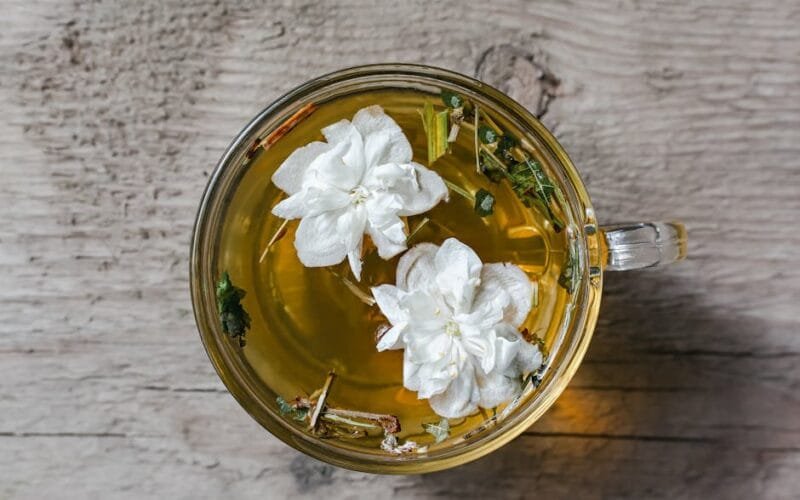
Let’s talk about the moment your favorite tea transitions from sublime to soured. You’ve mastered the pour, the heat, the ritual—but once you’ve sipped past the halfway mark, that once-delicious brew becomes a bitter punch to the palate. It’s a common frustration, especially with delicate teas like oolong orange blossom, where balance is everything. The culprit? A steeping process that’s gone too far.
Tea’s bitterness stems from tannins, the same compounds that give wine its edge. In oolong, which sits between green and black tea in oxidation, these tannins are both a feature and a foe. Oversteeping allows them to dominate, turning your cup into astringent territory. The mesh filter in your teapot might be part of the issue—if it’s too loose, leaves linger longer than they should. Even if you’re using a timer, the act of pouring can disrupt the balance, leaving tea leaves to keep steeping in the remaining liquid.
The key lies in precision. Oolong orange blossom, with its floral notes and subtle citrus undertones, thrives in a narrow window of time. A 3- to 5-minute steep at 185°F (85°C) is ideal, but even that can vary depending on leaf density and water quality. If you’re sipping slowly, consider removing the leaves earlier—once you’ve reached your halfway mark, it’s time to act. A second infusion can salvage the brew, but only if you’ve stopped the steeping process.
Here’s the takeaway: track your steeping time, monitor water temperature, and don’t let the leaves linger. For oolong, a second steep can rescue a bitter cup, but prevention is always better than remediation.
What’s your go-to method for avoiding tea bitterness.
What’s your go-to method for avoiding tea bitterness? Share your hacks below.
Questions & Answers
What are common tea flavor notes?
Common tea flavor notes include floral, fruity, earthy, woody, and smoky. These arise from tea leaves, processing, and aging.
How is tea flavor developed?
Tea flavor develops through oxidation, fermentation, and drying. These processes alter the leaves’ chemical composition, creating distinct taste profiles.
Information sourced from industry reports and news outlets.