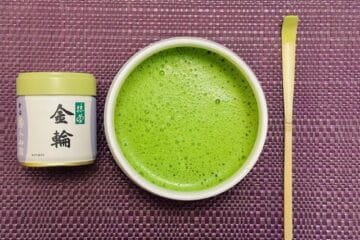
Here’s what you need to know: Japan’s green tea landscape isn’t just about leaves and steam—it’s a story of geography, climate, and centuries-old craftsmanship. While sencha and gyokuro dominate the conversation, their origins are as nuanced as the terroir that shapes them. Shizuoka, Japan’s largest tea-producing region, is synonymous with sencha, its flat terrain and warm climate yielding bold, vegetal notes. But don’t assume every sencha comes from there. Kagoshima’s volcanic soil and tropical warmth birth a sweeter, more delicate version, while Uji’s ancient tea fields—where the first matcha was made—produce a refined, umami-rich profile.
Processing techniques, of course, play a role, but origin is the silent architect of flavor. Take hojicha, often mistaken for a simple roasted tea. It’s typically made from discarded sencha leaves, but the region where those leaves grow dictates its depth. Kyoto’s hojicha is smoky and nuanced, while Osaka’s version leans earthier, reflecting the local soil’s mineral content. Kukicha, made from stems, varies wildly depending on elevation: high-altitude teas from the Japanese Alps boast a crisp, almost floral character, whereas lowland varieties are milder and more forgiving.
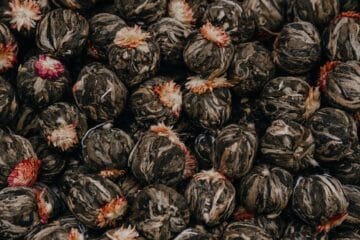
Genmaicha, the beloved rice-pearl blend, is a masterclass in regional synergy. It’s traditionally made with sencha leaves and popped brown rice, but the rice’s origin—whether from Hokkaido’s cold-climate fields or Kyushu’s warmer valleys—alters the tea’s sweetness and texture. This interplay between plant and place is why Japanese tea isn’t just consumed; it’s experienced.
Key points: Japan’s green teas are deeply tied to their regions—Shizuoka for sencha, Uji for matcha, and Kagoshima for its unique sweetness. Terroir shapes flavor more than processing alone, with elevation and soil type creating distinct profiles. Genmaicha’s rice component adds another layer of regional character to its earthy charm.
What region’s tea has surprised you the most.
Pour yourself a cup for this one: If you’ve ever wondered why your sencha tastes different from your neighbor’s, it’s not just about the leaves—it’s about where they grew. What region’s tea has surprised you the most?
Questions & Answers
Are there specific regions known for certain Japanese teas?
Yes. Regions like Uji and Kyoto are famous for matcha, while Shizuoka is known for sencha. Each area produces distinct tea varieties with unique flavors.
Which Japanese tea is from the Uji region?
Uji is renowned for high-quality matcha. This powdered green tea is traditionally made from shaded leaves and is a key product of the region.
Information sourced from industry reports and news outlets.