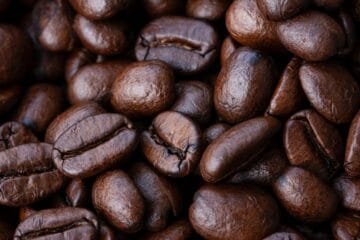
Consider this your morning briefing: If your espresso blend tastes like a forgotten bag of beans, you’re not alone. For six months, a roaster has battled the SR800’s espresso blend, chasing flavor that never materializes. The beans smell promising in sealed bags but deliver a stale, muted profile once opened—regardless of roast time or origin. Even after waiting a week, the issue persists, suggesting something deeper than just freshness.
The problem isn’t the beans. The user tried three importers, swapping naturals and washed profiles, yet the results were eerily consistent. The blend—Colombian Huila, Brazilian Cerrado, Sumatran Mandheling, and Indian Kaapi Royale—should be a symphony of earthy, floral, and citrus notes. Instead, it’s a flat, lifeless cup. The only breakthrough came when extending the drying phase to 49% of the roast time, a move that defied the SR800’s traditional approach. But was this a fluke, or a sign that the machine’s default settings are misaligned with the blend’s needs?
The SR800’s OEM extension tube is designed for precision, but it’s not a universal fix. The user’s roast curve reveals a tension between speed and development: too fast, and the beans under-roast; too slow, and they over-dry. The key may lie in balancing the drying phase to let the beans’ natural sugars caramelize without burning. Yet the machine’s programming assumes a shorter window, leaving roasters to guesswork.
Here’s the takeaway: The SR800’s default roast profile may not suit all blends, especially those with complex flavor profiles. Adjusting the drying phase—like the user did—can unlock hidden potential, but it requires trusting your palate over the machine’s presets.
Have you found a way to dial in the flavor without sacrificing consistency.
What’s your experience with the SR800 and espresso blends? Have you found a way to dial in the flavor without sacrificing consistency?
Questions & Answers
How to fix SR800 espresso blend issues?
Check grinder settings, tamp pressure, and water temp. Clean brew group and portafilter. Adjust dose and brew time for better extraction.
Why is my SR800 not extracting espresso well?
Possible causes include clogged filters, incorrect grind size, or improper water flow. Ensure all parts are clean and settings match your bean type.
Information sourced from industry reports and news outlets.