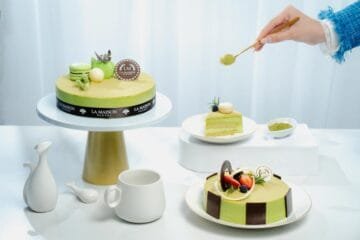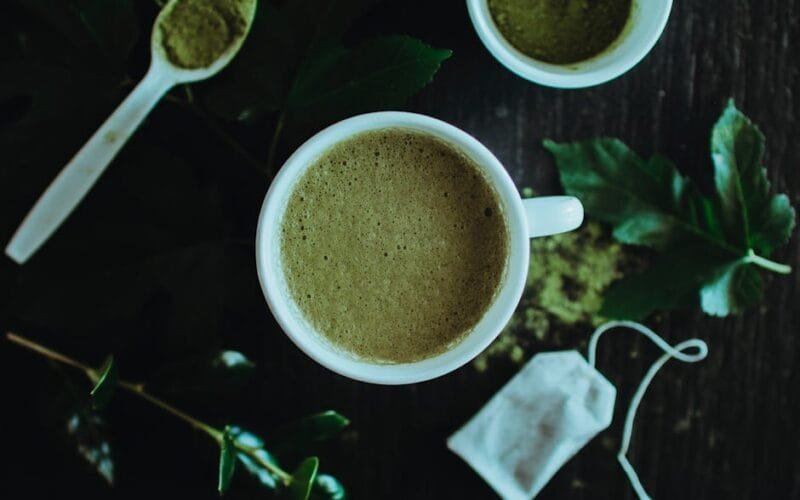
Consider this your morning briefing: matcha’s vibrant green hue and earthy depth can vanish in minutes under the heat of a standard oven. The challenge isn’t just about flavor—it’s about preserving that delicate balance between color and chemistry. When you bake a matcha-infused cake, the heat triggers oxidation, leaching the green pigment and dulling the taste. The solution lies in rethinking both technique and ingredient selection.
The key is to minimize exposure to high temperatures. A traditional white cake baked at 350°F is a recipe for disappointment, as the heat accelerates oxidation. Instead, opt for a lower-temperature method, like a convection oven or a water bath, to slow the process. But even that won’t fully stop the reaction. The real trick is to infuse the matcha early—before the cake even starts to rise. By steeping matcha into the milk or butterfat, you lock in its flavor while reducing direct heat contact. This method works wonders, especially when paired with a tender crumb that won’t dry out.
Pairing matcha with unexpected flavors can elevate the cake from gimmicky to gourmet. Your idea of raspberry jam and lavender icing is genius—it contrasts the matcha’s bitterness with brightness and floral notes, creating a harmony that’s both surprising and satisfying. The trick is to balance the sweetness without overpowering the matcha’s natural bitterness. A small amount of tartness, like a hint of lemon zest, can cut through the richness and enhance the green notes.
If you’re hesitant to tweak the classic white cake, consider a trés leches approach. Soaking the cake in a matcha-infused milk bath keeps it moist while avoiding the high-heat oxidation dilemma. This method also allows the matcha to meld with the dairy, deepening its flavor without sacrificing color. The result is a cake that’s both visually striking and texturally luxurious.
Key points: Use a low-temperature baking method to slow oxidation, infuse matcha into liquids early for maximum flavor, and balance bold flavors like raspberry and lavender to complement, not clash with, the matcha.
Key points: Use a low-temperature baking method to slow oxidation, infuse matcha into liquids early for maximum flavor, and balance bold flavors like raspberry and lavender to complement, not clash with, the matcha.
Close: Have you ever tried a matcha cake that stayed green? What’s your favorite way to pair it? Share your thoughts below.
Questions & Answers
Should I use matcha powder or leaves in my cake?
Use matcha powder for easier integration and stronger flavor. Leaves are harder to blend and may oxidize more quickly. Powder ensures consistent taste and texture in your cake.
How do I prevent matcha from oxidizing in the cake?
Store cake in an airtight container after baking. Use fresh matcha powder and avoid overmixing to preserve color and flavor. Freeze for longer shelf life.
Information sourced from industry reports and news outlets.