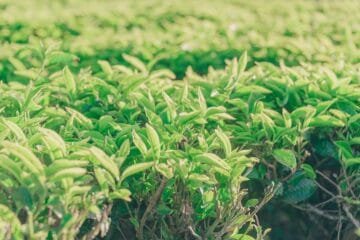
This is how you taste the rarest white tea—when you sip silver-needle, you’re sipping history. Harvested once or twice a year at dawn from mist-shrouded highlands in China, this tea is a fleeting luxury. Its price reflects not just scarcity but the labor of plucking tender buds by hand, a process that demands precision and patience. The user’s first encounter with it was a revelation: delicate, floral, and refined—a world apart from the familiar white teas they’d sipped before.
Silver-needle, or Bai Mu Nian, is more than a name; it’s a testament to tradition. Grown in regions like Fujian or Yunnan, these teas thrive in cool climates where slow oxidation allows flavors to deepen. The pluckers, often women, work at dawn when the leaves are dew-kissed and most pliable. This timing isn’t just about yield—it’s about capturing the essence of the mountain air, a quality that translates into the tea’s ethereal character. The user’s choice to brew it gongfu-style, despite using a western teapot, hints at a reverence for the ritual.
The taste is what sets silver-needle apart. Floral, yes, but with a clarity that feels almost translucent. It’s not just jasmine or orchid notes—it’s a harmony of subtlety, where each sip unravels layers of sweetness and a whisper of earthiness. Regular white teas, while pleasant, lack this refined complexity. The user’s observation that it’s “refined” isn’t hyperbole; it’s a descriptor of a tea that feels crafted for discerning palates.
For those curious about rarity, silver-needle is a masterclass in patience. Its value isn’t just in its price but in the time it takes to grow, harvest, and brew. The user’s journey—from confusion to appreciation—mirrors the tea’s own slow evolution.
Its flavor is a delicate balance of floral and earthy notes, distinct from standard white teas.
Key points: Silver-needle’s rarity stems from its high-altitude origin and limited harvests. Its flavor is a delicate balance of floral and earthy notes, distinct from standard white teas. Brewing it gongfu-style amplifies its nuanced character.
What’s your first memory of a tea that changed your palate? Share your story in the comments.
Questions & Answers
Is silver-needle white tea caffeine-free?
Silver-needle white tea has low caffeine, not entirely caffeine-free. It contains trace amounts, making it a mild option for sensitive drinkers.
How is silver-needle white tea processed?
Silver-needle white tea is made from young tea buds, air-dried to preserve flavor. No rolling or oxidation, keeping its delicate, sweet taste.
Information sourced from industry reports and news outlets.