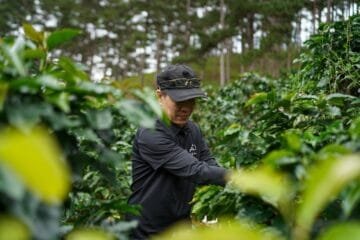
The coffee you sip isn’t just a bean—it’s a story. And that story often starts with a farmer who spent hours hand-picking cherries under a scorching sun, only to see most of the profit vanish in the supply chain. Direct trade is supposed to change that. But what does it really mean for the people growing your coffee? Let’s cut through the jargon.
Direct trade isn’t a certification like fair trade; it’s a relationship. Unlike commodity coffee, which is bought in bulk by middlemen and sold at rock-bottom prices, direct trade skips those layers. Roasters work directly with farmers, negotiating fair prices and often paying a premium for quality. This means farmers can invest in better tools, sustainable practices, or even education. But it’s not a magic fix. Without transparency, direct trade can still fail—if the roaster isn’t committed to long-term partnerships, the farmer might just get another handout, not a lifeline.
Fair trade, meanwhile, sets minimum prices but often lacks the nuance of direct trade. Certified farms get a baseline, but the real power lies in how much extra farmers can earn. Commodity coffee, the default for most brands, is the least transparent. Farmers are paid less than the cost of production, leaving them in a cycle of debt. The difference between these systems isn’t just money—it’s agency. Direct trade gives farmers a seat at the table, while commodity coffee silences them entirely.
The real takeaway? Direct trade isn’t a label to check off—it’s a choice. When you buy direct trade, you’re voting for farmers who can afford to grow coffee without selling their land. But don’t assume all direct trade is ethical. Ask: Who’s behind the label? What’s the long-term commitment?
So next time you sip your coffee, ask yourself: What’s the real cost of that cup.
So next time you sip your coffee, ask yourself: What’s the real cost of that cup?
Questions & Answers
Does direct trade coffee pay farmers more?
Yes, direct trade often pays farmers more than traditional trade due to transparent pricing and reduced middlemen, improving their income and livelihoods.
How does direct trade benefit farmers?
Direct trade benefits farmers through fairer prices, better payment terms, and direct communication, leading to more sustainable and profitable farming practices.
Information sourced from industry reports and news outlets.