If you’ve ever wondered why filter coffee carts are rare in high-traffic zones, you’re not alone. The idea of a cart selling just black or white coffee—no frills, no froth—sounds basic, even boring. But here’s the twist: this simplicity might be the secret to cutting through the noise of espresso-heavy markets. The math is clear: filter coffee is cheaper to make than espresso-based drinks, which rely on complex machinery, trained baristas, and premium beans. Yet, the question remains: can a filter-only cart survive in a world where coffee is often a performance?
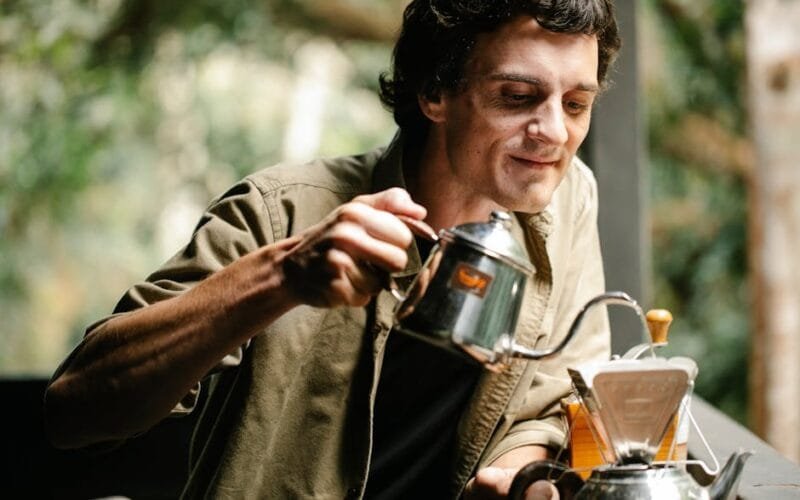
The appeal lies in affordability and speed. Imagine a cart that serves coffee in under a minute, priced like instant but made with care. McDonald’s recent ads positioned their coffee as a no-frills, budget-friendly option—proof that there’s a market for simplicity. But don’t mistake this for a gimmick. The real challenge is balancing cost with quality. A filter cart needs to justify its price without sounding like a vending machine. That means mastering the dripper, sourcing beans with intention, and calibrating the process to hit that perfect cup. It’s not just about coffee—it’s about storytelling through the pour.
Compare this to the espresso world, where the ritual is part of the appeal. Baristas turn brewing into a show, and customers pay for the spectacle. A filter cart can’t replicate that drama, but it can offer something else: consistency. If you nail the method and the beans, you’re not just making coffee—you’re making a product that outperforms the average espresso shop. The key is avoiding the trap of overcomplication. A filter cart isn’t about being “special” in the same way as a specialty café; it’s about being reliable, fast, and honest about its value.
The real hurdle? Location. High-traffic areas mean higher rent, which eats into margins. But if you can secure a spot with low fees, the model becomes viable. The cart’s strength is its ability to scale—fewer variables, fewer costs. Still, the risk is real. Most filter carts struggle to differentiate themselves from instant coffee, which is both cheaper and easier to make. The trick is to make the cup feel like a step up, not a downgrade.
It can outperform espresso shops by focusing on consistency and quality over spectacle.
Key points: A filter-only cart thrives on simplicity, speed, and affordability. It can outperform espresso shops by focusing on consistency and quality over spectacle. The biggest challenge is securing a cost-effective location and avoiding the pitfall of being mistaken for instant coffee.
What if the future of coffee isn’t about complexity, but about making the basics feel extraordinary? How would you redefine a filter-only cart to stand out?
Questions & Answers
How much does a filter-only coffee cart cost to start?
Costs range from $5,000–$20,000, including equipment, permits, and initial supplies. Varies by location and setup complexity.
What’s the average profit margin for a coffee cart?
Margins are 30–50%, depending on sales volume, costs, and pricing strategy. High turnover helps boost profitability.
Information sourced from industry reports and news outlets.