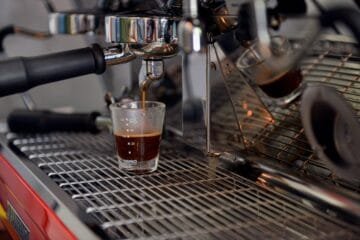
Coffee lovers, wine enthusiasts, tea devotees—here’s how to master espresso without the headache. You don’t need a PhD in chemistry to pull a shot; just a few key tools and a willingness to experiment. The process is simple: water pushes through ground coffee, extracting flavor in seconds. But the devil is in the details, and the right gear can turn a decent cup into something extraordinary.
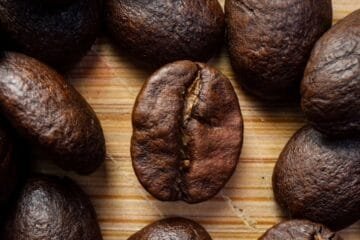
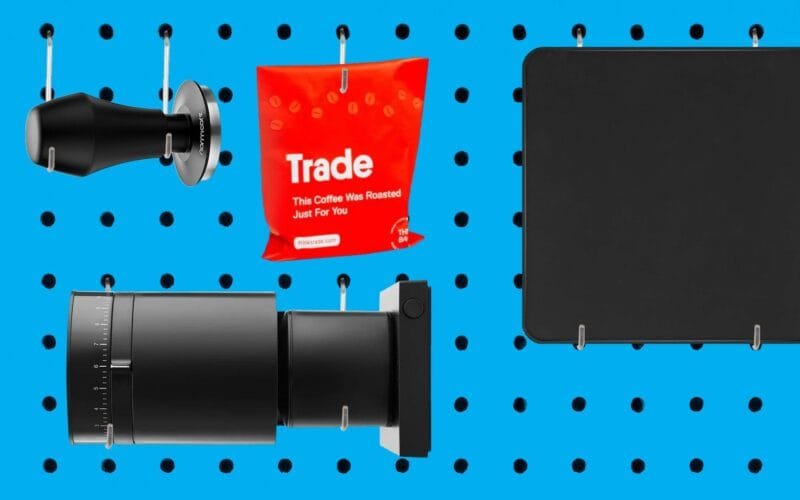
Start with a machine that fits your kitchen and budget. The Breville Bambino Plus is a classic entry point—user-friendly, compact, and surprisingly capable. It’s not a luxury appliance, but it’s far from a gimmick. Fresh coffee is non-negotiable, though. A subscription service like Trade Coffee unlocks a world of roasts and origins, helping you dial in your preferences without guesswork. You don’t need “espresso beans”—just a dark roast that’s been freshly ground.
The grind is everything. A coarse grind lets water rush through too quickly, leaving under-extracted bitterness. A fine grind traps water, risking over-extraction and sourness. A conical burr grinder like the Fellow Opus gives you control, letting you adjust settings for precision. Pair it with a scale—like the MiiCoffee Nano—to measure 18 grams per shot (adjust as needed). This combo ensures consistency, turning trial and error into science.
Even distribution is critical. A tamper and distribution tool (like the Normcore WDT) flatten the coffee bed, preventing channels where water bypasses grounds. A silicone mat catches spills, and a knockbox keeps your espresso basket clean. These tools aren’t frills—they’re the difference between a mediocre shot and one that rivals your favorite café.
KEY POINTS: Prioritize a machine that fits your kitchen and budget, choose fresh coffee from a trusted source, and invest in a grinder and scale for consistent results.
KEY POINTS: Prioritize a machine that fits your kitchen and budget, choose fresh coffee from a trusted source, and invest in a grinder and scale for consistent results.
What’s your first espresso goal? Share your thoughts below.
Questions & Answers
How long does espresso take to brew?
Espresso takes about 25-30 seconds to brew. The machine forces hot water through finely ground coffee, creating a concentrated shot in that time.
What beans are best for espresso?
Dark roast beans are best for espresso. They provide a rich, bold flavor and crema. Medium roasts can work, but dark roasts enhance the espresso’s depth and aroma.
Information sourced from industry reports and news outlets.