how to clean your coffee maker

Mastering the Art of Big-Batch Vietnamese Iced Coffee

Mastering the Art of Big-Batch Vietnamese Iced Coffee

Pour yourself a cup for this one: If your Vietnamese iced coffee stand isn’t hitting its stride, you’re not alone. The secret to scaling up isn’t just about doubling ingredients—it’s about rethinking the entire process. Restaurants that serve hundreds of cups daily don’t rely on homebrew methods; they use systems designed for consistency, speed, and flavor retention. Your first two days flopped because you’re chasing a recipe meant for a single pour, not a bustling counter. The real trick lies in understanding how slow drip coffee works at scale. Commercial setups use industrial grinders to crush beans into precise consistency,…
Read More
Storing Puer for a Year: What You Need to Know

Storing Puer for a Year: What You Need to Know

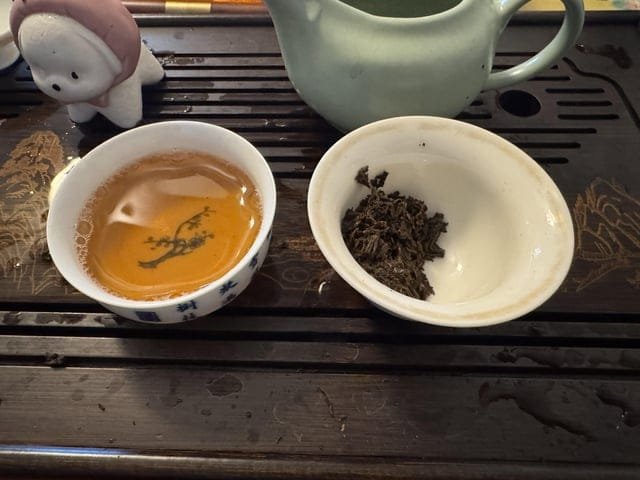
This is worth savoring: You’ve got a 2021 Yunnan Sourcing sheng cake, and the question isn’t whether you’ll enjoy it—it’s whether you’ll ruin it. Short-term storage for puer isn’t a high-stakes gamble, but it’s still a balancing act. The key is understanding that time, humidity, and temperature aren’t your enemies here—they’re just variables you can manage. Your setup in Utah isn’t bad. The dry climate is a major plus for tea storage, as moisture is the silent killer of puer. But don’t assume the kitchen drawer is a safe zone. While your cake is shielded from direct heat and light,…
Read More
Aged Sheng: Worth the Wait or a Missed Opportunity?

Aged Sheng: Worth the Wait or a Missed Opportunity?

If you’re a puerh newbie chasing that elusive balance of floral brightness and earthy depth, you’re not alone. The journey from young sheng’s vibrant punch to aged sheng’s supposed complexity can feel like a leap into the unknown. Your recent experiments with 2007 Dayi 7542 and Xiaguan Jia Ji hint at a common struggle: aged sheng isn’t always a direct upgrade. It’s a different beast, shaped by time, storage, and the tea’s own evolution. Aged sheng’s appeal lies in its transformation, not its replication of youth. Young sheng dazzles with sharp floral notes and a bold huigan—traits that fade as…
Read More
Uneven Roast? The Secret to a Perfect Batch

Uneven Roast? The Secret to a Perfect Batch

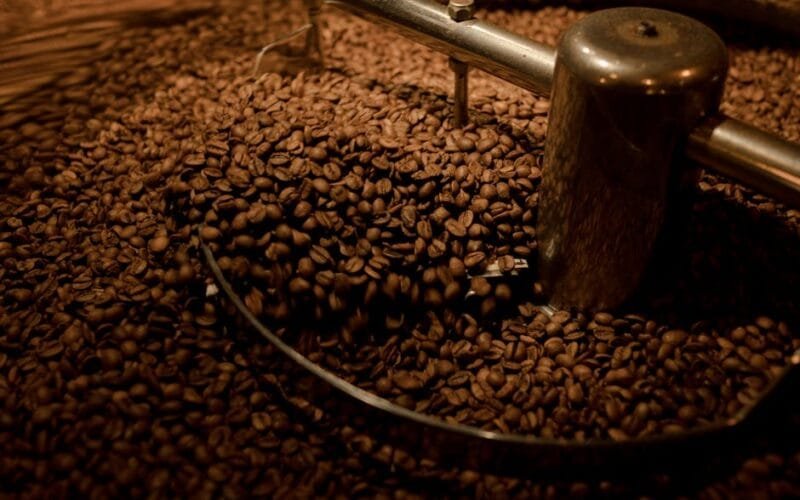
Time to spill: Uneven roasting is a common pain point, but it’s fixable with the right adjustments. You’re working with Brazilian Catuai-Catuai yellow beans from 1200 meters—high-altitude beans known for their density and slow development. At 82 points, they’re already a premium crop, but your roast profile is revealing a flaw. The weight loss from 800g to 708g suggests a medium-dark roast, yet the unevenness points to a deeper issue. The first crack timing—between 7 and 8.3 minutes—is a clue. That range is typical for medium roasts, but the inconsistency in color and texture suggests uneven heat distribution. Catuai beans,…
Read More
The Art of Slow Roasting Coffee

The Art of Slow Roasting Coffee

This is worth savoring: If your coffee is hitting the dark side too soon, you’re not alone. A roaster with an 8-minute timer can feel like a luxury, but when your beans are turning too quickly, it’s time to rethink your approach. You’re roasting between 60-80g of green beans, yet second crack hits by the 4-minute mark—leaving you with underdeveloped, grassy flavors. The question isn’t just about time; it’s about balance. How do you stretch the roast window without sacrificing quality? The problem lies in the interplay between heat, airflow, and bean density. Kenyan washed and Colombian beans, while flavorful,…
Read More
Decoding the Kaffelogic Nano’s Cupping Profile Mystery

Decoding the Kaffelogic Nano’s Cupping Profile Mystery

Here’s something to stir your curiosity: the Kaffelogic nano’s cupping profile isn’t just a data point—it’s a conversation between you and the roast. Yet when the first crack fails to materialize, the dialogue turns frustrating. You’re not alone. The user’s dilemma—roasting without first crack (FC)—highlights a common blind spot in small-batch roasting: development isn’t a guessing game; it’s a science. The cupping profile is your map, but without FC, you’re navigating blind. The first crack marks the threshold where the bean’s internal moisture escapes, signaling the start of development. Without it, the roast remains in the “dry” phase, underdeveloped and…
Read More
The Secret to Eliminating Channeling in Your Espresso Setup

The Secret to Eliminating Channeling in Your Espresso Setup

Pour yourself a cup for this one: Channeling in your espresso isn’t just a minor annoyance—it’s a sign your setup needs recalibration. You’ve got the El Rocio Manus S, Lagom Casa, and Pullman 876 basket, yet the water’s finding shortcuts. That’s not a flaw in your gear; it’s a clue. The root issue? Your puck isn’t a uniform bed of coffee—it’s a mosaic of under- and over-extracted zones. The WDT tamper and puck screen are tools, not magic wands. Even with a self-level tamper, inconsistencies in dose distribution or particle size can create channels. The 18g dose at 1:2 ratio…
Read More
The Espresso Machine That Fits Your Budget Without Sacrificing Quality

The Espresso Machine That Fits Your Budget Without Sacrificing Quality

Let’s talk about the espresso machine that’s perfect for your budget without sacrificing quality. You’re currently hooked on the DeLonghi Dedica, a reliable workhorse that delivers great shots but feels dated in both design and build. You’ve seen the ECM Synchronika II praised for its precision, but its €3,100 price tag is out of reach. Now you’re hunting for a mid-range upgrade that balances aesthetics, performance, and affordability. The Rocket Appartamento TCA caught your eye with its sleek, traditional look—but whispers of maintenance headaches and technical shortcomings have you second-guessing. So the real question isn’t just what to buy, but…
Read More
Setting Up Your Coffee Station: A Minimalist Approach

Setting Up Your Coffee Station: A Minimalist Approach

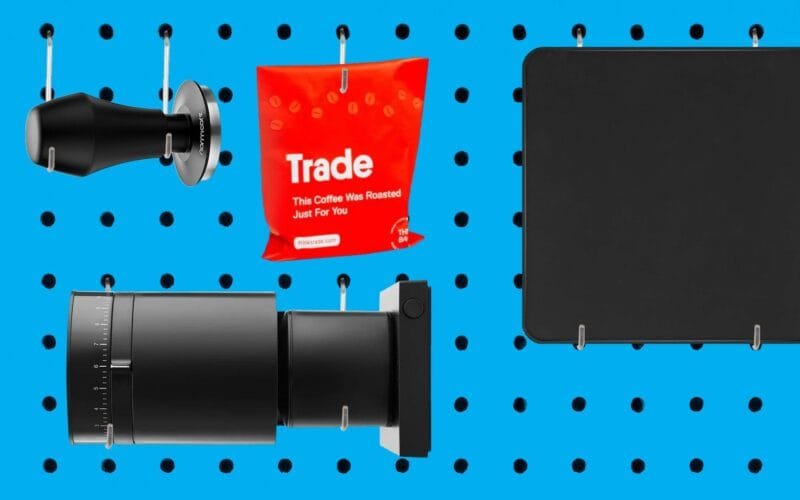
Let’s talk about the fine line between coffee geekery and clutter. You’ve got the Gaggia Classic E24 and Eureka Mignon Oro—now the real work begins. The tamping station you ordered is a smart move, but its placement matters. A dedicated mat under the grinder and machine isn’t just about aesthetics; it’s a practical shield against spills and vibrations. If space is tight, consider a sleek, low-profile mat that blends with your kitchen’s black-and-chrome aesthetic. Storage is another puzzle. Puck disposal is non-negotiable—forget it, and you’ll waste time emptying it mid-brew. The Normancore one is a space-saver, but if vertical storage…
Read More
Mastering Chocolate Notes: A Cubean Roaster’s First Manual Roast Breakdown

Mastering Chocolate Notes: A Cubean Roaster’s First Manual Roast Breakdown

Real talk: Your first manual roast with a Cubean roaster isn’t just about timing—it’s about precision, patience, and a dash of science. You’ve already seen how automatic profiles can feel like a passive exercise, leaving your beans flat and underdeveloped. Now, you’re chasing that sweet, chocolatey complexity—and the question is: how do you nail it? The answer lies in understanding the rhythm of the roast, not just the heat. The key is the ROR (Rate of Rise) curve. You noticed it’s tricky to get that curve to trend down, and that’s not a mistake—it’s a clue. A steep ROR early…
Read More