⏱ 2 min read
The Short Version
Montpeyroux has officially secured AOC status, but new regulations alone won't fix its reputation. To avoid the administrative traps of Soave, the region is betting on organic viticulture and old-vine Carignan to prove that quality lives in the glass, not the rulebook.
In This Article
The village of Montpeyroux has officially become France’s 369th Appellation d’Origine Contrôlée. This shift introduces stricter controls, such as a maximum yield of 45 hectolitres per hectare and the ability to use up to 10% Counoise in red blends. While these regulatory changes aim to codify quality, they raise a fundamental question: can rulebook updates alone rescue a region’s reputation?
There was some natural selection among winemakers: it was sad, but the best survived.
Lessons from Muscadet and Soave
History suggests that bureaucracy is often a blunt instrument compared to actual viticultural shifts. In the 1970s and 80s, both Muscadet and Soave suffered through eras of overproduction fueled by synthetic fertilizers and mediocre grapes sold to co-ops. Muscadet eventually fought back through site-specific crus and rigorous winemaking, leading to a brutal but effective period of contraction. There was some natural selection among winemakers: it was sad, but the best survived. Top producer Jérémie Huchet notes that while the number of producers dropped from 700 in the early 1990s to fewer than 300 today, the resulting quality gain is startling.
Soave has taken a different path, attempting to manage complexity through mapping 33 Unità Geografica Aggiuntiva (UGAs) in 2020. However, this administrative layering hasn’t solved every problem; Lucia Vesentini of the Soave Consorzio admits that consumer perception remains fractured, with younger drinkers often disconnected from the brand entirely. Unlike Muscadet’s survival via attrition, Soave struggles with a massive scale involving nearly 3,000 growers, making collective identity harder to maintain.
The Montpeyroux Strategy
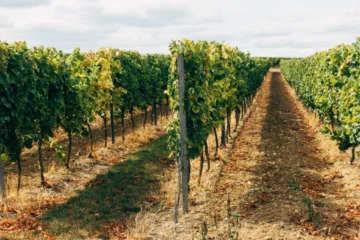
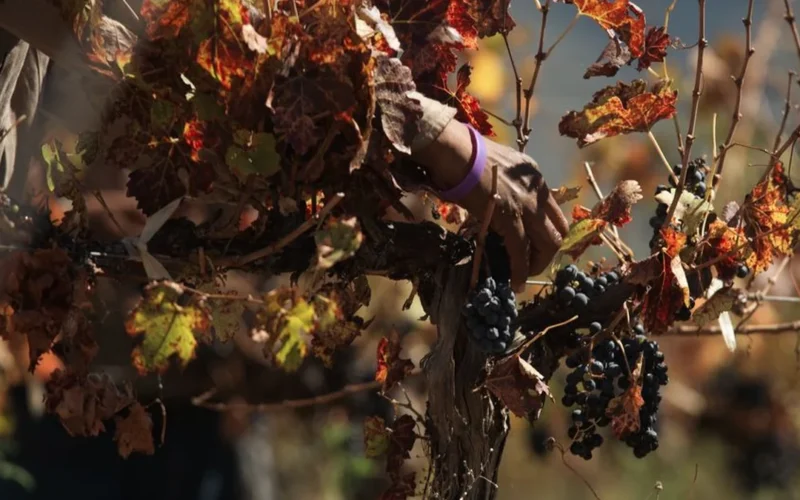
Montpeyroux is rebuilding itself not just through paperwork, but through organic viticulture and grape selection. Roughly 80% of the appellation’s vineyards are now certified organic or sustainable. Instead of chasing trends, growers have leaned into Carignan—a variety once derided—relying on old vines and low yields to find character. This mirrors the success seen in Muscadet, where “unfashionable” grapes like Melon de Bourgogne were redeemed by better site selection.
The danger of relying solely on designations is evident in Cava, where the dominance of behemoths like Freixenet can drown out the efforts of quality-focused producers. While breakaway groups like Corpinnat set rigorous standards for hand-harvested, organic wines, much of the global market still associates Spanish bubbles with mass-produced fizz. For small pockets like Montpeyroux, success depends less on the INAO’s rules and more on whether the collective effort of its 16 independent producers translates to the glass.
Do you believe strict AOC regulations actually drive quality, or do they simply create unnecessary hurdles for innovative winemakers?
Questions & Answers
What are the new regulations for the Montpeyroux AOC?
The new Montpeyroux AOC regulations include a maximum yield limit of 45 hectolitres per hectare and specific blending rules. Producers are now permitted to use up to 10% Counoise when creating red wine blends within the appellation. These stricter controls are intended to codify quality across the region. Beyond these administrative changes, the appellation is also focusing on organic viticulture, with approximately 80% of the vineyards currently certified as organic or sustainable to help rebuild the area's reputation.
How did the Muscadet wine region improve its quality over time?
Muscadet improved its quality through a period of contraction and a shift toward site-specific crus and rigorous winemaking. During the 1970s and 1980s, the region struggled with overproduction and mediocre grapes, but a process of natural selection among producers eventually raised standards. The number of producers dropped from 700 in the early 1990s to fewer than 300 today. This reduction in volume allowed for a significant gain in quality, much like how unfashionable grapes were redeemed through better site selection.
Why does Soave struggle to maintain a collective brand identity?
Soave struggles with its collective identity due to its massive scale and the complexity of its administrative layers. The region manages nearly 3,000 different growers, making it difficult to maintain a unified brand image compared to smaller regions. While the consortium attempted to manage this complexity by mapping 33 Unità Geografica Aggiuntiva in 2020, consumer perception remains fractured. This is particularly evident among younger drinkers, who often feel completely disconnected from the Soave brand entirely.
What methods is Montpeyroux using to rebuild its reputation?
Montpeyroux is rebuilding its reputation through organic viticulture and a strategic focus on specific grape varieties. Instead of relying solely on paperwork, the region has moved toward sustainable practices, with 80% of vineyards now certified organic. Growers are also leaning into the use of Carignan, utilizing old vines and low yields to extract more character from the fruit. This approach mirrors successful historical shifts in other regions where focusing on site selection and traditional varieties helped redeem the local wine quality.
Originally reported by Tim Atkin.