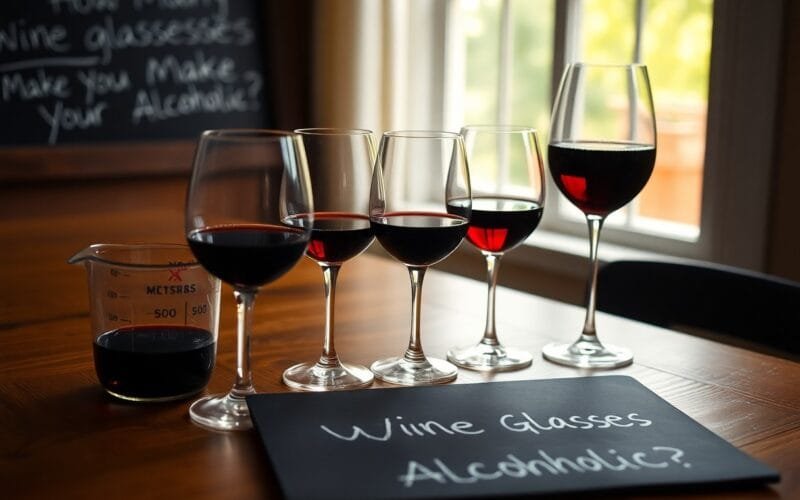
There’s a fine line between enjoying wine socially and developing a problematic relationship with alcohol. Understanding how many wine glasses can lead you toward alcoholism is necessary for maintaining your health. While many factors play a role in alcohol dependency, you can gain valuable insights from research. For instance, ISU researchers test how size, shape and color of wine glass … reveals that even the vessel can influence your pouring habits, which may impact your consumption levels. Let’s explore the facts further.
Understanding Alcohol Consumption
Alcohol consumption varies widely across individuals, influenced by personal, cultural, and social factors. You might find yourself questioning what constitutes moderate versus excessive intake. The distinction between responsible drinking and potential addiction isn’t always clear. This understanding is important for evaluating your own habits and recognizing signs that might indicate a deeper issue.
Definitions of Alcoholism
Alcoholism is characterized by an inability to control or cease drinking despite negative consequences. You may notice signs like increased tolerance, withdrawal symptoms, and a strong preoccupation with alcohol. The Diagnostic and Statistical Manual of Mental Disorders (DSM-5) labels these patterns under Alcohol Use Disorder (AUD), which ranges from mild to severe based on specific criteria and behaviors.
Drinking Guidelines
Health organizations define moderate drinking as up to one drink per day for women and two for men. These guidelines serve as a benchmark to help you evaluate your consumption habits realistically. Regularly exceeding these limits can lead to both physical and psychological health risks.
The Dietary Guidelines for Americans suggest adhering to these moderate drinking patterns to minimize health risks. For instance, one standard drink is defined as 14 grams of pure alcohol, equating to a 5-ounce glass of wine, a 12-ounce beer, or a 1.5-ounce spirit. Frequent long-term consumption beyond these benchmarks considerably increases your risk for health issues like liver disease, cardiovascular problems, and alcohol dependence. Monitoring your intake against these guidelines can provide clarity for your drinking habits.
The Role of Wine Glass Size
Wine glass size significantly influences your drinking experience and the amount of alcohol you consume. A larger glass might encourage you to pour more wine, inadvertently increasing your overall intake. Choosing the right size glass can help maintain moderate consumption and promote a more mindful drinking practice.
Standard Wine Glass Measurements
A standard wine glass typically holds 5 ounces (about 150 milliliters) of wine, which is considered a serving. However, glasses can range from 8 ounces to 14 ounces or more. Understanding these measurements helps you gauge your pour and aligns with moderated drinking guidelines.
Impact on Alcohol Volume
The volume of alcohol you consume is directly tied to the size of your wine glass. Pouring a standard 5-ounce serving in an oversized glass may lead to excessive consumption as you may not be aware of how much wine you’re truly drinking.
For instance, if you pour 6 ounces or more into an 8-ounce glass, you exceed the recommended serving size right from the start. If you often fill your glass to the brim, the extra margin can lead to underestimating your actual intake, contributing to excessive consumption over time. Being mindful of the glass size and your pouring habits can greatly assist in controlling your alcohol volume, helping you stay within healthier limits while still enjoying wine.
Social Drinking vs. Problematic Drinking
Distinguishing between social and problematic drinking is necessary for understanding your relationship with alcohol. Social drinking typically involves moderate consumption in social settings, where you enjoy drinks with friends or family without negative consequences. In contrast, problematic drinking often leads to adverse effects on your personal, professional, or social life, indicating a potential alcohol use disorder that requires attention and intervention.
Situational Contexts
Situational contexts significantly influence your drinking behaviors. For example, you might indulge in a few drinks during celebrations or gatherings but maintain control without resorting to excessive consumption. However, if you find yourself drinking alone or at inappropriate times, it may signal a shift from social enjoyment to problematic patterns, warranting further reflection on your habits.
Behavioral Indicators
Your drinking habits can reveal much about your well-being. If you notice changes in your behavior, such as increased secrecy around your drinking, neglecting responsibilities, or experiencing mood swings associated with alcohol consumption, these may be indicators of problematic drinking. Recognizing these signs early can help you address issues before they escalate.
Common behavioral indicators include drinking larger amounts than intended, feeling a strong urge to drink, or experiencing withdrawal symptoms when not drinking. For instance, if you often consume more than the planned two glasses of wine in a single sitting or prioritize alcohol over other activities, these patterns can suggest an unhealthy drinking habit. Self-monitoring and seeking feedback from trusted friends can provide valuable insights into your relationship with alcohol, helping you assess the need for change.
Health Effects of Excessive Drinking
Excessive drinking can lead to a variety of health complications, affecting both physical and mental wellbeing. Drinking beyond recommended levels, such as more than one drink per day for women and two for men, increases the risk of high blood pressure, liver disease, and various cancers. Additionally, you may experience depression, anxiety, and cognitive decline, which can significantly impact your quality of life and those around you.
Short-term Risks
Engaging in heavy drinking can result in short-term risks like impaired judgment, reduced coordination, and increased likelihood of accidents. You might also face potential alcohol poisoning, characterized by symptoms such as confusion, vomiting, and slow breathing. This can create dangerous situations, not only for yourself but also for others in your vicinity.
Long-term Consequences
Consequences of prolonged excessive drinking often manifest as chronic health issues. You could develop serious medical conditions, including liver cirrhosis, heart disease, and various types of cancer, particularly breast, liver, and esophageal cancers. Furthermore, relationships and work performance may suffer due to the effects of dependency and withdrawal symptoms.
Long-term excessive drinking can lead to irreversible damage. For instance, liver disease resulting from years of heavy alcohol consumption can be life-threatening and may require transplantation in severe cases. Additionally, you might deal with anxiety and depression that stem from alcohol use, creating a cycle that perpetuates your drinking habits. The impact extends to social relationships, often leading to isolation and strained connections with friends and family. Ultimately, addressing excessive drinking early can prevent these devastating outcomes and help you regain control of your health and life.
Signs You May Need Help
If you find yourself questioning your wine consumption, it may be time to assess where you stand. Increased craving for wine, neglecting responsibilities, or finding it difficult to cut back could indicate a growing concern. Wine glass size may influence how much you drink in … Understanding these signs is crucial to making informed decisions about your relationship with alcohol.
Physical Symptoms
You might experience physical symptoms that signal a potential problem with alcohol, such as frequent hangovers, fatigue, or unexplained weight changes. These physical manifestations can become a regular part of your life, impacting not just your health but also your daily functioning.
Emotional and Behavioral Changes
As your relationship with wine evolves, you may notice emotional and behavioral shifts, including irritability, mood swings, or isolation from social circles. These changes can lead you to seek wine as a coping mechanism, rather than a social enjoyment.
Increased reliance on wine to manage stress or anxiety can contribute to emotional and behavioral changes that are concerning. You may find yourself withdrawing from friends or family, prioritizing drinking over social interactions, or even experiencing feelings of guilt or shame regarding your wine consumption. Recognizing these patterns is vital for understanding the potential need for help and support in addressing your alcohol use.
Seeking Help and Resources
If you find yourself questioning your alcohol consumption or feeling overwhelmed by it, seeking help is a vital step. Various avenues are available to provide the support and resources you need to address your concerns about drinking and its potential impact on your life.
Professional Support Options
Community Resources
Local community resources, including support groups, can be invaluable in your journey toward healthier habits. Organizations like Alcoholics Anonymous (AA) offer peer support networks where you can share experiences and receive encouragement from others facing similar challenges.
Community resources play a key role in fostering a supportive environment. Many areas offer access to recovery centers that provide group therapy, educational workshops, and social events designed to build connections and reduce isolation. Programs often emphasize shared experiences, enabling you to uncover the power of communal support, which can be a vital component in overcoming alcohol-related issues and promoting lasting change in your life.
Conclusion
With these considerations, you can better assess your wine consumption and its potential impact on your life. Recognizing the number of glasses that may lead to unhealthy patterns is important for maintaining a balanced approach to drinking. If you find yourself consistently exceeding moderate levels, it may be time to evaluate your relationship with alcohol. Your awareness and understanding of these factors can empower you to make informed choices about your drinking habits and ensure that you prioritize your health and well-being.