

⏱ 2 min read
The Short Version
Once an accessible luxury for middle-class professionals, legendary vintages have been priced out of reach by global wealth inequality. What used to be a cellar staple is now a plutocratic status symbol, leaving even expert writers struggling to bridge the gap between tasting and buying.
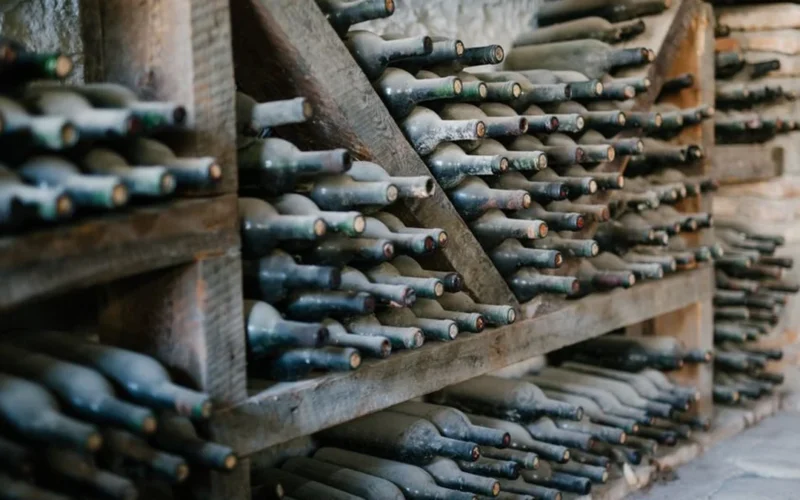
In the 1960s, a middle-class English household could stock an underground cellar with legendary vintages without needing immense wealth. For the family of a wine merchant in the Chilterns, bottles of Château Lafite 1953 or 1959 were accessible luxuries rather than unattainable icons. Even more storied names, such as Armand Rousseau’s Chambertin or Hermitage La Chapelle 1961, appeared on dining tables alongside everyday meals.
Now they are, pretty much, the preserve of plutocrats; financiers, hotshot lawyers, tech bros.
The Disappearing Affordability of Grand Cru
The economics of the era allowed professionals like GPs, vets, and solicitors to participate in fine wine culture. In the 1964-65 catalogue, a bottle of Lafite 1953 cost just 53 shillings, while the prestigious Château d’Yquem 1945 was priced at 48 shillings and 3 pence. To understand the scale of change, one must remember that £1 in 1965 was worth roughly £25 today; even as late as 1989, a Hermitage La Chapelle 1980 sat at £20. Now they are, pretty much, the preserve of plutocrats; financiers, hotshot lawyers, tech bros. This shift is driven by surging demand for limited supplies and accelerating global wealth inequality, pushing top wines into a realm of status signaling and luxury yachts.
For modern wine writers, this creates a professional disconnect. While tastings offer access to Premier Cru and Grand Cru, there is a vast difference between tasting a wine and being able to afford it. To maintain authenticity, some choose to “put their money where their mouth is” by focusing on the £12 to £30 range. This budget avoids the inaccessible heights of Burgundy to find value among Spain, Argentina, Portugal, the Loire, or Southern Rhône, alongside quality cru bourgeois Bordeaux.
The Tension in Modern Wine Writing
A strange dichotomy has emerged in contemporary media: writers with sophisticated palates often find themselves pressured to plug inexpensive, generic supermarket labels. It is particularly jarring when these same publications review prohibitively expensive restaurants while ignoring the independent merchants who offer superior quality just a few pounds higher.
There is also a growing cultural rift within the industry itself. When heads of prestigious Champagne houses claim they “do not cater to the general public,” it alienates the very enthusiasts who drive nuanced appreciation. True expertise should bridge the gap between high-end discovery and the reality of what people actually drink.
What does it feel like for a writer to regularly discuss wines that belong to a different world than the one they inhabit?
Questions & Answers
Why has fine wine become a status symbol for the wealthy?
Fine wine has transformed into a plutocratic status symbol due to surging demand for limited supplies and accelerating global wealth inequality. While legendary vintages like Château Lafite were once accessible luxuries for middle-class professionals, they are now primarily the preserve of financiers and tech entrepreneurs. This shift has moved top-tier wines out of the reach of average consumers and into a realm used for high-level status signaling among the world's wealthiest individuals.
How much did prestigious wines cost in the mid-1960s?
In the mid-1960s, prestigious wines were significantly more affordable for the middle class than they are today. For instance, a bottle of Château Lafite 1953 cost only 53 shillings in the 1964-65 period. Similarly, the highly regarded Château d’Yquem 1945 was priced at just 48 shillings and 3 pence. These prices allowed professionals such as doctors and solicitors to stock underground cellars with legendary vintages that are now considered unattainable icons.
What regions should consumers look to for high-quality value wines?
Consumers looking for value can find excellent quality in regions like Spain, Argentina, Portugal, the Loire Valley, and the Southern Rhône. Many wine writers recommend focusing on these areas or looking toward cru bourgeois Bordeaux to avoid the inaccessible prices of top Burgundy. By exploring these specific regions, enthusiasts can find sophisticated wines within a budget of 12 to 30 pounds, bypassing the prohibitively expensive Grand Cru labels that are now reserved for the ultra-wealthy.
How does the rising cost of fine wine affect professional wine writing?
The rising cost of fine wine creates a professional disconnect where writers may taste premium wines they cannot actually afford to purchase. This pressure often results in a dichotomy where sophisticated palates are tasked with reviewing inexpensive supermarket labels despite their expertise. To maintain authenticity and bridge this gap, some writers choose to focus their coverage on the affordable 12 to 30 pound range to better reflect the reality of what most people drink.
Originally reported by Tim Atkin.


[…] Choosing these options proves that if a wine tastes great, the packaging is secondary. Whether you are looking for a heavy hitter from California or a nuanced blend from Southern France, boxed formats are no longer a compromise; they are a strategic way to drink better for less. […]