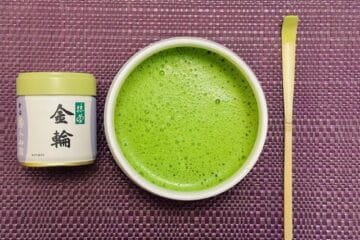
Most people seek ways to enhance their everyday health, and incorporating certain teas into your routine can be a simple yet effective strategy. In this post, you’ll discover top picks that provide various health benefits, from boosting immunity to aiding digestion. For more insights, check out The Healthiest Types of Teas to Drink. With the right choices, you can enjoy flavorful brews that support your wellness journey.
Importance of Tea for Health
Tea serves as a daily wellness booster, offering numerous health benefits that can enhance your overall quality of life. Regular consumption can improve hydration, provide a sense of calm, and support mental clarity. With a rich history rooted in herbal medicinal practices, tea plays a vital role in various cultures, promoting not just social connection but also robust health. By integrating tea into your routine, you embrace a natural beverage that contributes to long-term health strategies.
Nutritional Benefits
Your choice of tea is packed with vital nutrients, including vitamins, minerals, and amino acids. Green tea, for example, contains vitamins C, B, and E, while herbal teas like peppermint deliver digestive advantages. These nutrients support immune function, skin health, and energy levels, delivering an accessible way to bolster your daily regimen without excessive calories or additives.
Antioxidant Properties
Antioxidants found in tea play a significant role in combating oxidative stress, which can lead to chronic diseases. Polyphenols, particularly abundant in green and black teas, help neutralize free radicals in your body. This protective effect reduces inflammation and boosts overall cellular health, contributing to your longevity and quality of life.
Over 500 types of antioxidants exist in tea, with catechins in green tea and theaflavins in black tea being two of the most researched. Studies suggest that consuming these antioxidants can lower the risk of heart disease by improving cholesterol levels and reducing blood pressure. Furthermore, regular tea drinkers may experience a lower incidence of certain cancers due to the anti-inflammatory effects of these compounds. Incorporating tea into your daily routine not only elevates your hydration but also serves as a proactive measure for maintaining optimal health.
Types of Tea
Tea varies widely in flavor, preparation, and health benefits, making it vital to understand the types available to maximize your daily intake. Each category offers unique properties that can complement your wellness routine.
- Green Tea
- Black Tea
- Herbal Tea
- Oolong Tea
- White Tea
Recognizing the subtle differences among these teas can guide your choices for optimal health benefits.
| Green Tea | Rich in antioxidants, supports metabolism and heart health. |
| Black Tea | Contains flavonoids, promotes gut health and boosts heart function. |
| Herbal Tea | Variety of flavors and health benefits based on ingredients. |
| Oolong Tea | Assists in weight management, improving mental alertness. |
| White Tea | Light flavor, high in antioxidants, good for skin health. |
Green Tea
Green tea is celebrated for its high concentration of catechins, particularly epigallocatechin gallate (EGCG), which is linked to weight loss and improved metabolic rates. Regular consumption has been associated with lower risks of cardiovascular diseases and enhanced brain function.
Black Tea
Black tea, the most consumed tea globally, boasts a robust flavor and numerous health benefits. It is rich in flavonoids that support cardiovascular health and gut function, making it an excellent addition to your daily routine.
Studies reveal that black tea can improve cholesterol levels and lower blood pressure. It also contains L-theanine, an amino acid that helps enhance relaxation without causing drowsiness, making it a perfect choice for mental clarity and focus during your day.
Herbal Teas and Their Benefits
Herbal teas are more than just flavorful beverages; they offer an array of health benefits that can support your well-being. Not only are they caffeine-free, but many varieties also contain antioxidants and other compounds that promote relaxation, digestion, and immune health. Discover more in 10 Healthiest Types of Teas, Ranked.
Chamomile
Chamomile tea is renowned for its calming effects, making it a perfect choice for winding down after a long day. Its anti-inflammatory properties aid in soothing upset stomachs and can help improve sleep quality. You may find that a cup of chamomile not only relaxes your mind but also supports your digestive system.
Peppermint
Peppermint tea is an invigorating choice, known for its ability to alleviate digestive issues and refresh your senses. This herbal infusion is rich in menthol, which can help relieve headaches and clear nasal congestion. Plus, its flavor profile makes it a delightful option for any time of day.
Peppermint tea works wonders for digestion by relaxing muscles in the gastrointestinal tract, thus aiding in reducing bloating and discomfort after meals. Its aromatic compounds also have antiviral and antibacterial properties, which can contribute to your overall health. By incorporating peppermint tea into your routine, you may enhance both your mental clarity and physical comfort.
Specific Health Benefits of Tea
Tea offers a range of health benefits that can significantly impact your daily wellness. This natural beverage is rich in antioxidants, promoting better cellular health and providing important nutrients. You may find that the specific types of tea you choose can support various aspects of your health, from cardiovascular well-being to weight management, making it an excellent addition to your routine.
Heart Health
Your heart health can be greatly benefited by regular tea consumption. Studies indicate that drinking green tea may reduce the risk of heart disease by improving cholesterol levels and promoting better blood vessel function. The flavonoids in tea support heart health by enhancing circulation and lowering blood pressure, which can lead to a more robust cardiovascular system.
Weight Management
Incorporating tea into your routine can play a significant role in weight management. Certain teas, particularly green and oolong, have been shown to boost metabolism and increase fat oxidation. Research suggests that drinking these teas may aid in reducing body fat, especially when paired with a balanced diet and regular exercise. Each cup can help you stay hydrated while potentially curbing your appetite.
Green tea, in particular, has garnered attention for its thermogenic properties, which can increase energy expenditure and enhance fat burning. For instance, a study published in the American Journal of Clinical Nutrition found that those who consumed green tea extract experienced a 4% increase in energy expenditure over 24 hours. This makes it a valuable tool for supporting your weight loss or management goals. Integrating tea into your dietary routine, alongside maintaining healthy lifestyle choices, can yield meaningful improvements in your body composition and overall health.
How to Choose the Right Tea
Selecting the right tea involves considering your health goals, taste preferences, and caffeine sensitivity. Whether you seek antioxidants, relaxation, or a metabolism boost, each tea’s unique properties cater to different needs. Explore options while keeping in mind the nutritional values associated with various blends. For deeper insights on what may benefit your health, check out Which Teas Are Secretly the Key to a Long and Healthy Life.
Quality and Sourcing
Brewing Techniques
Daily Tea Consumption Recommendations
Incorporating tea into your daily routine can offer numerous health benefits, but moderation and timing are key to maximizing those advantages. Aim for two to three cups per day, adjusting your intake according to personal tolerance and sensitivity to caffeine. This amount allows you to experience the positive effects without overwhelming your system with too much caffeine or other compounds.
Ideal Serving Sizes
The ideal serving size for tea generally falls between 8 to 12 ounces per cup. Each variety has different antioxidant levels, so consider the strength of the tea and your individual health goals. For instance, a stronger green tea may yield more health benefits per cup compared to a milder white tea, allowing you to adjust your consumption accordingly.
Timing and Pairings
When to drink tea can significantly enhance its benefits. Enjoy green or black tea in the morning for a caffeinated boost, while herbal teas are perfect for evening relaxation. Pair your tea with complementary foods, like citrus for black tea or honey for herbal varieties, to enhance flavors and health benefits.
Timing can also influence your overall wellness. Drinking green tea in the morning can enhance metabolism, while chamomile tea in the evening promotes relaxation, making it easier to wind down. Pairing your tea with certain foods can create a synergistic effect; for example, dark chocolate with black tea can increase antioxidant absorption. Tailoring your tea intake around daily activities can maximize its health impacts while satisfying your palate.
Conclusion
So, by incorporating the healthiest teas into your daily routine, you can significantly enhance your overall health and well-being. Selecting options such as green tea, herbal blends, and oolong can provide numerous benefits, from boosted immunity to improved metabolism. Each cup offers a chance to nourish your body and mind, making it easier for you to reach your health goals. With the right choices, you can enjoy flavorful moments while taking positive steps towards a healthier lifestyle.
FAQ
Q: What are the health benefits of green tea?
A: Green tea is rich in antioxidants, specifically catechins, which can aid in reducing inflammation, improving brain function, and promoting fat loss. Regular consumption may also lower the risk of heart disease and diabetes.
Q: How does herbal tea differ from traditional tea?
A: Herbal tea is made from a variety of plants, herbs, and flowers, rather than the leaves of the Camellia sinensis plant like traditional teas (black, green, oolong). Herbal teas often provide caffeine-free options and can offer unique health benefits depending on the ingredients used.
Q: What makes a tea the healthiest choice for daily consumption?
A: The healthiest tea options typically include those that are high in antioxidants, low in calories, and free from added sugars or artificial ingredients. Varieties like green tea, white tea, and certain herbal teas are often recommended for daily intake due to their numerous health benefits.