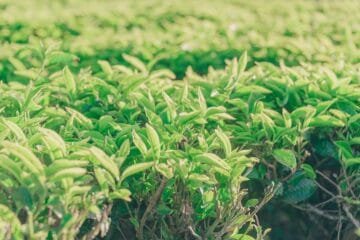
Health benefits abound when you incorporate tea into your daily routine. This ultimate guide will help you navigate the myriad of tea options available, enabling you to choose the healthiest ones for your lifestyle. From antioxidant-rich green tea to the calming properties of herbal blends, you’ll discover how each type can enhance your well-being. Equip yourself with the knowledge to make informed choices that align with your health goals and transform your tea-drinking experience.
Types of Tea
Exploring the diverse world of tea reveals various types, each offering unique benefits and flavors. Below, you will find a breakdown of the most popular types:
- Green Tea
- Black Tea
- Herbal Tea
- White Tea
- Oolong Tea
Thou will find that each type has its own characteristics and health properties, making them worthy of your exploration.
| Green Tea | Rich in antioxidants, may enhance metabolism. |
| Black Tea | Contains theaflavins, supporting cardiovascular health. |
| Herbal Tea | Variety of herbs, often caffeine-free and soothing. |
| White Tea | Least processed, high in antioxidants, delicate flavor. |
| Oolong Tea | Partially fermented, combines qualities of green and black tea. |
Green Tea
Green tea is renowned for its high concentration of catechins, a type of antioxidant believed to boost your metabolism and support weight loss efforts. Regular consumption can lead to improved brain function, enhanced fat burning, and even reduced risks of certain cancers.
Black Tea
Black tea is fully oxidized, providing a robust flavor and higher caffeine content compared to other teas. Regular consumption may enhance heart health and lower cholesterol levels, thanks to the presence of theaflavins and thearubigins.
Studies suggest that drinking black tea can lead to significant improvements in heart health, particularly in reducing blood pressure and LDL cholesterol levels. Incorporating it into your routine may also contribute to improved gut health and may even assist in stabilizing blood sugar levels.
Herbal Tea
Herbal tea encompasses a wide range of flavors, made from various herbs, flowers, and spices, rather than traditional tea leaves. Many herbal teas are naturally caffeine-free, making them ideal for relaxation and calming benefits.
Popular varieties like chamomile and peppermint not only soothe but also offer digestive and anti-inflammatory properties. Drinking herbal tea can be a beneficial addition to your wellness routine, aiding in stress reduction and promoting better sleep quality.
White Tea
White tea is the least processed of all tea types, providing a delicate flavor profile and a rich source of antioxidants. Its high levels of catechins can help in reducing the risk of chronic diseases, including heart conditions.
Due to its minimal processing, white tea retains a naturally sweet taste and preserves most health benefits. It is known to support skin health through its hydrating properties and may also promote healthy weight management, making it a refreshing choice for health-conscious individuals.
Health Benefits
Drinking tea can provide a multitude of health benefits, enhancing both physical and mental well-being. From boosting your immune system to promoting relaxation, the unique compounds found in various teas can support your overall health. Different types of tea offer different advantages, so choosing wisely can help you harness these benefits effectively.
Antioxidants
Tea is rich in antioxidants, especially polyphenols like catechins and flavonoids, which combat oxidative stress in your body. These compounds can help reduce inflammation and lower the risk of chronic diseases such as cancer and heart disease. Incorporating a variety of teas into your diet ensures you maximize your intake of these beneficial antioxidants.
Weight Management
Optimal for weight management, certain teas can enhance your metabolism and aid in fat burning. Green tea, for instance, contains catechins and caffeine, which can accelerate your thermogenesis and improve exercise performance. This dual action supports your weight loss efforts and helps maintain a healthy weight more effectively.
Incorporating tea into your daily routine can be a simple yet effective strategy for weight management. Studies suggest that green tea can increase fat oxidation and improve insulin sensitivity, making it a great addition to a balanced diet and active lifestyle. Even a modest amount, such as two to three cups daily, can yield positive results when combined with regular exercise and healthy eating habits.
Heart Health
Your cardiovascular health can benefit significantly from tea consumption. Studies have shown that regular intake of black and green tea may lower the risk of heart disease by improving cholesterol levels and blood pressure. The flavonoids found in tea are thought to enhance blood vessel function and reduce inflammation, promoting better heart health.
Consuming just a few cups of tea each day could contribute to lower LDL cholesterol levels, which is necessary for reducing heart disease risk. In addition, the anti-inflammatory properties of tea can help maintain healthy arteries. Observational studies indicate that those who regularly drink tea have a lower incidence of cardiovascular events, making tea an excellent choice for heart health support.
Tips for Choosing the Right Tea
When opting for the ideal tea for your needs, consider various factors that align with your lifestyle and taste preferences. Start by identifying whether you’re looking for herbal, green, black, or oolong teas, each offering distinct flavors and benefits. Also, consider the quality of your tea-opt for loose leaf over tea bags when possible to ensure maximum flavor and potency. Explore Herbal Tea Guide: Benefits, Flavors & Where to Buy for in-depth insights. Thou should take the time to explore what each variety offers.
Quality over Quantity
Investing in high-quality tea can significantly enhance your drinking experience. Premium leaves tend to provide richer flavors, vibrant colors, and a satisfying aroma. Many budget options often compromise on sourcing or freshness, resulting in a dull brew. Focus on purchasing from reputable brands or local tea shops that prioritize quality, ensuring your cup of tea is both delicious and beneficial.
Flavor Profiles
Understanding flavor profiles will help you find your perfect cup. Different teas exhibit a range of tastes, from earthy and robust to light and floral. For instance, green teas can be grassy and vegetal, while black teas may offer notes of malt or chocolate. You should also explore flavor combinations, such as herbal blends that incorporate spices or fruits, which can provide an exciting variety to your tea-drinking adventures.
Flavor profiles not only define the taste but also influence how you enjoy tea in different contexts. For example, a bold black tea might be perfect for a cozy morning, whereas a fruity herbal infusion could brighten your afternoon. Recognizing these nuances allows you to match teas with your mood or occasion, enhancing your overall experience.
Caffeine Content
Caffeine content in tea varies widely, impacting your energy levels and sleep patterns. Black teas typically have the highest caffeine levels, ranging from 40-70 mg per 8-ounce cup, while green teas contain about 20-45 mg. Herbal teas, on the other hand, are usually caffeine-free, making them great for evening enjoyment. Evaluating your caffeine sensitivity will guide your choices, helping you find the best types for your daily routine.
Selecting tea based on caffeine content is vital for maintaining your desired energy levels throughout the day. If you prefer a stimulating cup in the morning, a high-caffeine black tea may be your best bet. For an afternoon pick-me-up, consider a green tea. Conversely, sticking with herbal options in the evening can ensure a restful night, allowing you to wake refreshed for the next day’s adventures.
Step-by-Step Guide to Brewing Tea
Brewing tea can seem simple, but the nuances in preparation can significantly enhance your experience. Start by selecting high-quality tea leaves or bags that suit your taste and health goals. Next, refer to the 10 Healthiest Types of Teas, Ranked for guidance on flavor and health benefits, before following the steps below for perfect results.
Choosing the Right Water
| Tip | Description |
|---|---|
| Use Purified Water | Tap water can contain minerals that affect flavor; use purified water for the best taste. |
| Optimal Temperature | Choose water that’s fresh and near boiling to ensure spirited brewing. |
Ideal Brewing Temperature
The temperature at which you brew your tea directly impacts its flavor and health benefits. Most green and white teas require temperatures around 160-185°F (71-85°C), while black and herbal teas can handle boiling water at 200-212°F (93-100°C). Using the right temperature will help you extract the optimal flavors and nutrients.
Ideal Brewing Temperature
| Type of Tea | Ideal Temperature (°F) |
|---|---|
| Green | 160-185 |
| Black | 200-212 |
| Herbal | 200-212 |
| Oolong | 190-200 |
| White | 160-185 |
Brew Time
Timing is imperative when brewing tea; leaving it too long can result in bitterness, while too short may underextract flavors. Aim for 2-3 minutes for most green and white teas, and 4-5 minutes for black and herbal varieties, ensuring you achieve a perfect balance of taste and benefits.
Brew time significantly influences the final flavor profile and nutrient extraction of your tea. For delicate green teas, shorter steeping times of 1-3 minutes are ideal, allowing the subtle notes to shine. Conversely, robust black teas can withstand brewing times of 4-6 minutes, allowing their rich flavors to develop fully. Keep an eye on your tea during steeping to adjust as per your preference for a custom experience.
Brew Time
| Type of Tea | Recommended Brew Time (minutes) |
|---|---|
| Green | 2-3 |
| Black | 4-5 |
| Herbal | 5-7 |
| Oolong | 3-5 |
| White | 4-5 |
Factors to Consider
Choosing the healthiest tea involves several important factors that can significantly influence your selection process. You should take into account the type of tea, its preparation, and how it fits into your overall health goals. Consider the following:
- Type of tea (green, black, herbal)
- Caffeine content
- Health benefits specific to your needs
- Preparation methods
- Flavor preferences
After evaluating these factors, you can make a more informed decision about which tea best suits your lifestyle and health requirements.
Personal Health Conditions
Your existing health conditions play a significant role in determining the best tea options for you. For example, if you have high blood pressure, you might prefer herbals like hibiscus tea, known to help manage it. Conversely, if you are pregnant, certain teas can be unsafe. Always consult with a healthcare professional to ensure your choices align with your health needs.
Age and Lifestyle
Your age and lifestyle can affect how tea impacts your health. As you age, your metabolism and dietary needs change, which may require adjustments in your tea consumption. Additionally, an active lifestyle might lead you to prefer teas that provide an energy boost, such as matcha, whereas a more sedentary lifestyle might benefit from calming teas such as chamomile to promote relaxation.
In your 20s and 30s, you may gravitate toward energizing teas to support a busy lifestyle, while in your 40s and beyond, you might seek out options that aid digestion or enhance heart health. Tailoring your tea choices to these evolving lifestyle factors can enhance your overall well-being.
Geographic Availability
Geographic availability directly influences your tea options, as not all teas are accessible in every location. For example, while loose-leaf teas may be prevalent in some regions, bottled iced teas might dominate in others. Consider sourcing your tea from local shops or online retailers to expand your variety, ensuring you’re able to sample both popular and rare blends.
Regions renowned for tea production, like China and India, often sell specific varieties unique to their locality. You may find authentic Darjeeling or Oolong teas, but in other areas, substitute blends might be your only options. Exploring different sources enhances your tasting experiences and allows greater flexibility in your selections.
Pros and Cons of Popular Teas
| Pros | Cons |
|---|---|
| Green tea boosts metabolism and aids weight loss. | May cause caffeine-related side effects. |
| Black tea improves heart health and reduces cholesterol. | High in caffeine which can disrupt sleep. |
| Herbal infusions offer relaxation and stress relief. | Some blends may interact with medications. |
| Green tea is rich in antioxidants. | May have a bitter taste for some. |
| Black tea can enhance mental focus. | Packing too much can lead to excessive caffeine intake. |
| Herbal teas can support digestion. | Not all herbal infusions are caffeine-free. |
| Green tea supports skin health. | Quality can vary significantly among brands. |
| Black tea is widely available and versatile. | Sometimes contains added sugars in bottled versions. |
| Herbal infusions offer diverse flavor profiles. | Limited scientific backing on health claims. |
| Green tea aids memory function. | Chlorophyll content can be hard to digest for some. |
Green Tea
Green tea is well-known for its numerous health benefits, including enhanced metabolism and weight loss support. It is teeming with polyphenols, particularly catechins, which provide powerful antioxidant effects. Drinking green tea regularly may promote better heart health and lower the risk of chronic diseases. Its subtle flavor and versatility make it easy to incorporate into your daily routine.
Black Tea
Black tea ranks as one of the most consumed beverages worldwide, appreciated for its robustness and distinct flavor. It is high in flavonoids, which contribute to heart health by improving blood vessel function and reducing cholesterol levels. Consuming black tea also fosters mental clarity due to its caffeine content, making it an excellent choice for your morning routine.
Black tea’s versatility extends to its culinary uses, where it can be enjoyed hot or iced and blended with various spices or milk. Moreover, its richer flavor profile accommodates diverse blends, allowing for personalized experiences, such as Earl Grey or chai. You can easily adapt black tea into different parts of your day, enhancing both enjoyment and health benefits.
Herbal Infusions
Herbal infusions, while technically not classified as tea, offer a myriad of flavors and health benefits that cater to a variety of tastes. These blends, made from flowers, fruits, seeds, and leaves, provide natural remedies for issues like stress, insomnia, and digestive discomfort. You can enjoy these caffeine-free options throughout the day, allowing for relaxation or digestive support anytime.
Several herbal blends serve distinct health purposes. For instance, chamomile tea is renowned for its calming effects, while ginger tea can alleviate nausea and boost immunity. The diversity in flavors and benefits ensures that herbal infusions can cater to your specific preferences and dietary needs. This flexibility encourages experimentation with different ingredients, promoting a holistic approach to health and wellness.
To wrap up
Drawing together the insights from the Healthiest Tea Choices guide, you can now make informed decisions that enhance your well-being. By selecting teas rich in antioxidants and health benefits, you’re investing in your health with every cup. Explore various types and find the flavors that suit your palate while supporting your wellness goals. For a deeper examine the subject, visit Your Go-To Guide To The Wonderful World Of Tea for more tips and recommendations.
FAQ
Q: What types of tea are considered the healthiest?
A: The healthiest teas include green tea, known for its high antioxidant content, black tea, which supports heart health, and herbal teas such as ginger and chamomile, beneficial for digestion and relaxation, respectively. White tea also ranks high due to its minimal processing and rich polyphenol content.
Q: How does the preparation method affect the health benefits of tea?
A: Proper preparation is crucial for maximizing the health benefits of tea. For instance, steeping green tea at lower temperatures for shorter times preserves its antioxidants. Conversely, boiling black tea for longer can enhance its flavor but may diminish some of its beneficial compounds.
Q: Can tea consumption lead to any health risks?
A: While tea has many health benefits, excessive consumption can lead to side effects such as caffeine-related jitters, digestive issues, or interference with nutrient absorption. It’s advisable to consume tea in moderation to enjoy its benefits without adverse effects.