Tea Facts

Discover tea varieties, brewing techniques, and health benefits. From green tea to oolong and beyond.

How to Start Your Shou Pu’erh Journey with Confidence

How to Start Your Shou Pu’erh Journey with Confidence

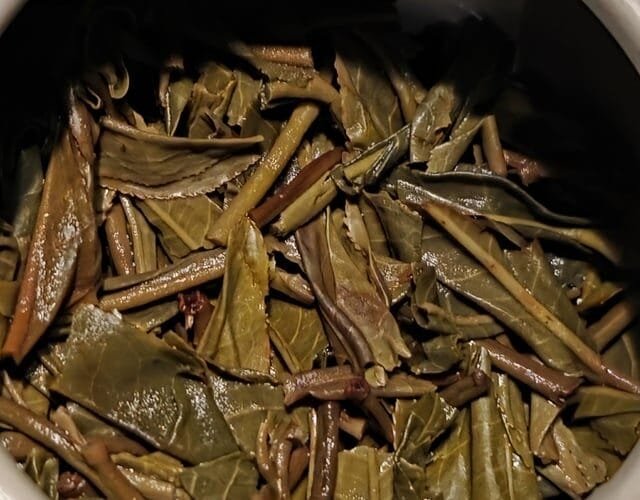
There’s something about shou pu'erh that lingers—earthy, bold, and unapologetically alive. If you’ve dipped your toe into gongfu-style brewing and found yourself craving more, shou pu'erh is the next frontier. But navigating its world feels like stepping into a labyrinth of terroir, age, and reputation. The question isn’t just what to buy—it’s how to choose without getting lost in the noise. Shou pu'erh, the ripe-fermented variant, is a study in transformation. Unlike sheng, which evolves over decades, shou is aged in controlled environments, developing its character in years, not centuries. This makes it more accessible for newcomers, yet its complexity…
Read More
The Unpolished Edge of Xiaguan Bing Dao Ling Yun

The Unpolished Edge of Xiaguan Bing Dao Ling Yun

Coffee lovers, wine enthusiasts, tea devotees—here’s a sip that defies the polished. This 2025 Xiaguan Bing Dao Ling Yun raw puer is a raw, unfiltered lesson in youthful ferocity. At first pour, it’s a sharp, almost aggressive punch—rock candy sweetness clashes with sheng funk, while citrus whispers hint at a more nuanced future. The tea’s early stages are all about tension: a green grass note bites the tongue, tobacco lingers on the inside of cheeks, and the finish is a fleeting sweetness that dissolves like sugar in hot water. By the second steep, the tea begins to unravel. Floral bitterness…
Read More
The Art of Choosing Pu Erh: A Connoisseur’s Guide

The Art of Choosing Pu Erh: A Connoisseur’s Guide

Navigating the world of Pu Erh can feel like deciphering a cryptic code—until you know where to start. For newcomers, the sheer variety of cakes, regions, and aging profiles can be overwhelming. Enter the dilemma of sample selection: how do you choose wisely without overspending? The answer lies in understanding the language of terroir, the psychology of taste, and the quiet power of patience. Pu Erh’s magic is rooted in its origin. Yunnan’s fertile soils and humid climate birth the most coveted teas, but not all regions are created equal. Menghai, for instance, is renowned for its sweet, floral notes,…
Read More
The 7552: A Cozy Counterpoint to the Overrated 7572

The 7552: A Cozy Counterpoint to the Overrated 7572

Real talk: The 7552 isn’t just better than the 7573—it’s a warm hug in a cup. This blend defies the typical tea playbook, delivering a sensory experience that’s as emotionally resonant as it is technically refined. From the first steep, it’s clear this isn’t your average black tea. The wet leaves emit a scent that’s both comforting and oddly nostalgic, like a well-worn sweater on a rainy afternoon. The first infusion hits with leather, earth, and a deep bass-like richness that lingers on the tongue. It’s not just about flavor—it’s about atmosphere. The 7552’s magic lies in its balance of…
Read More
A Lunar Snake Year Commemorative: The Dayi 2025 Raw Puer Experience

A Lunar Snake Year Commemorative: The Dayi 2025 Raw Puer Experience

Here’s what you need to know: the Dayi 2025 “Jin She Qi Tian” isn’t just another raw puer—it’s a bold statement in the Lunar Snake Year’s tea calendar. Brewed with precision, this cake delivers a flavor profile that’s equal parts earthy and sweet, with a texture that lingers long after the final sip. The review’s author, after a string of underwhelming tea sessions, found solace in this young sheng’s ability to reset their palate. It’s a reminder that even in a sea of mediocre brews, a well-crafted tea can feel like a victory. The brewing process reveals layers of complexity.…
Read More
A Lunar Snake Year Commemorative Raw Puer: Dayi 2025’s Fresh Awakening

A Lunar Snake Year Commemorative Raw Puer: Dayi 2025’s Fresh Awakening

Real talk: This Dayi 2025 cake isn’t about complexity—it’s about purity. A raw puerh from the Lunar Snake Year, it’s a fresh, unpolished gem that delivers bold sweetness and a clean, crisp finish. The tea’s journey through steeping is a masterclass in how young sheng can evolve, offering layers that unfold with patience. The first steep is a light, grassy whisper—think wheat fields kissed by morning dew. A sweet, almost sugary coating lingers on the tongue, with hints of rice cereal and a faint leather note that feels more like a curiosity than a flaw. By the second steep, the…
Read More
The Gaiwan Size Dilemma: How Much Tea Can You Actually Brew?

The Gaiwan Size Dilemma: How Much Tea Can You Actually Brew?

This is worth savoring: A gaiwan isn’t just a vessel—it’s a ritual, a conversation between tea and tea drinker. But for newcomers, the question isn’t just about aesthetics or tradition; it’s about practicality. How much tea do you really get from a gaiwan? And more importantly, how does that translate to your experience? The answer isn’t just about volume—it’s about balance. A 50ml gaiwan might seem ideal for minimalist brewing, but it’s a double-edged sword. Smaller sizes mean fewer infusions, which can limit the depth of flavor evolution you’d get from teas like pu-erh, which thrive on multiple steepings. Yet,…
Read More
Decoding Green Tea: Why You’re Not Getting What You Want

Decoding Green Tea: Why You’re Not Getting What You Want

The verdict is in: green tea isn’t a one-size-fits-all miracle. What you’re grabbing at the Asian market is likely a tangled mess of processing methods, regional traditions, and marketing jargon. If you’re sipping something that tastes like grass clippings or bitter herbal tea, you’re not alone. The problem isn’t your palate—it’s the chaos of categorization. Green tea, as you’ve learned, isn’t a monolith. It’s a spectrum. Japanese sencha, Chinese dragonwell, and Korean jungcha are all green teas, but their processing—steaming, pan-frying, rolling—creates wildly different flavors. What you’re calling “green tea” in the market could be anything from a minimally processed…
Read More
When Peach Meets Sencha: A Flavorful Revelation

When Peach Meets Sencha: A Flavorful Revelation

This is worth savoring: a peach sencha that challenges your palate with its quiet complexity. The tea’s name promises sweetness, but the first infusion delivers a muted whisper of fruit, leaving you wondering if the peach is hiding in plain sight. A second steeping—this time at 30 seconds—brings a fleeting hint of the citrusy, almost floral notes that make this tea intriguing. Yet, the peach remains elusive, a ghostly presence that demands coaxing. Halfway through the second infusion, a dash of sugar transforms the tea into something revelatory. The sweetness unlocks layers of peach that were previously buried, proving that…
Read More
The Disappearing Essence of a Premium Tea

The Disappearing Essence of a Premium Tea

This might just change your routine: a tea once celebrated for its fermented depth now tastes like ordinary black tea. Numi Organic Emperor’s Pu-erh, once a standout for its earthy complexity, now delivers a flat, generic flavor. The transformation is jarring—$7.49 for a product that feels like a store-brand knockoff. What happened? Fermented teas like Pu-erh derive their character from aging processes that deepen flavor and aroma. Numi’s previous batches delivered that signature richness, a result of meticulous fermentation. But recent batches lack that complexity, replaced by a sterile, one-note profile. The absence of fermentation’s signature scent and taste is…
Read More