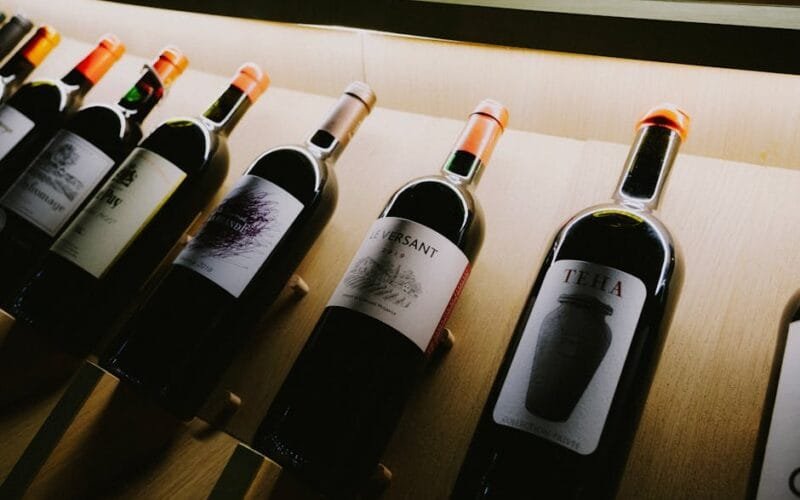
Bordeaux is rewriting its wine story. For centuries, the region defined itself by bold, oak-aged reds—now, it’s pivoting to a lighter, more approachable style with a name rooted in history: claret. This shift isn’t just a trend; it’s a survival strategy. As climate change reshapes vineyards and consumer tastes, Bordeaux’s winemakers are redefining what it means to be “claret,” blending tradition with necessity.
The new classification, set to debut in 2’th vintage, marks a deliberate break from the heavy, tannic profiles that once dominated. These wines will be lighter, lower in alcohol, and designed to be enjoyed chilled—between 8 and 12°C. This isn’t a return to the past but a recalibration. Warmer conditions have allowed grapes to ripen more consistently, but rising alcohol levels (now often exceeding 15%) have forced producers to rethink their methods. Shorter macerations and a focus on freshness over power are becoming standard, creating wines that balance structure without overwhelming the palate.
The shift reflects broader changes in how people drink. With global temperatures climbing, consumers are gravitating toward fruit-forward, easy-drinking options. In France and the UK, red wine consumption is declining, replaced by lighter, more versatile styles. Bordeaux’s new claret fits this demand, offering a modern take on a medieval term. Yet the move isn’t without challenges. Spiking prices and shifting markets have left many vineyards struggling. Tony Laithwaite of Laithwaites admits, “A 50-year boom is over.” For younger generations, the allure of collectible Bordeaux is fading—favoring wines that are ready to drink, not reserved for cellars.
This revival of claret feels like a nod to the past, yet it’s firmly rooted in the present. By embracing lighter profiles and rebranding, Bordeaux is trying to stay relevant. Will it succeed? That’s the question.
Winemakers are adapting by prioritizing freshness over power, using shorter macerations and heat-resistant grapes.
KEY POINTS: Bordeaux’s new claret classification acknowledges climate-driven changes, validating a lighter, fresher style. Winemakers are adapting by prioritizing freshness over power, using shorter macerations and heat-resistant grapes. The shift mirrors broader consumer trends toward lighter, more accessible wines, reflecting changing drinking habits.
CLOSE: Will this revival of claret resonate with younger drinkers, or is it just another attempt to repackage tradition? What do you think?
Questions & Answers
What is the new Bordeaux wine type?
The new Bordeaux wine type is called “Bordeaux Blends,” created to adapt to climate change by using heat-resistant grape varieties.
Why was the new wine type approved?
The new wine type was approved to address climate pressures, allowing Bordeaux producers to maintain quality while adapting to rising temperatures and changing weather patterns.
Information sourced from industry reports and news outlets.