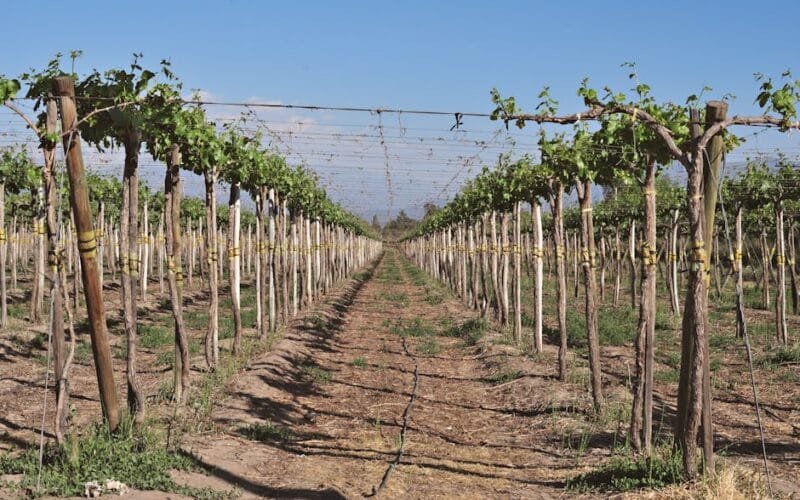
When you think of wine regions, your mind probably jumps to sun-drenched valleys and rolling hills. But the world’s wine map is shifting—literally. From Estonia’s Baltic shores to the UK’s northern counties, vineyards are thriving in colder climes, rewriting the rules of terroir and tradition. Climate change and hybrid grape varieties are driving this evolution, but the results are anything but ordinary.
Estonia, once known for fruit-based wines, now hosts vineyards like Luscher & Matiesen Muhu Winehouse, one of the northernmost in the world. With just 2,000 vines, the estate crafts small-batch wines that capture the stark beauty of Nordic winters and brief summers. “Our wines reflect the harsh conditions here,” says CEO Peke Eloranta. “They’re not just drinks—they’re stories of resilience.” Visitors can stay at the guesthouse, tour the fields, and taste vintages that defy expectations. The Estonian Wine Trail offers a glimpse into this emerging scene, proving that cold climates can yield complexity, not just sweetness.
Meanwhile, the UK’s wine industry is booming. Once a footnote in viticulture, England now boasts 1,100 vineyards, with new ones popping up in Yorkshire. Climate change has extended growing seasons, allowing pinot noir and chardonnay to flourish. The 2025 harvest, the driest on record, delivered “world-class wines” from top producers, according to MW Stephen Skelton. Sparkling wines are arriving faster than ever, while marginal regions are finally gaining recognition. Tourism is a big win too—over a million visitors explored UK vineyards in 2023 alone.
Sweden, a latecomer to winemaking, is catching up. Though most vines grow in Skåne, the southernmost county, the 2024 Swedish Wine Tasting proved the country’s potential. A Swedish wine topped the blind test, outshining French classics. Legal changes in 2025 will further boost the scene, letting wineries sell directly to consumers.
Estonia and the UK are proving that even harsh winters can yield exceptional vintages.
Key Points: Cold climate viticulture is reshaping wine landscapes globally, driven by hybrid grapes and shifting weather patterns. Estonia and the UK are proving that even harsh winters can yield exceptional vintages. Legal reforms in Sweden are unlocking new possibilities for local producers.
Where would you start exploring these unexpected wine regions?
Questions & Answers
What regions are now producing wine due to climate change?
Northern Europe, Canada, and parts of Russia are now producing wine. Warmer temperatures allow grape growing in areas previously too cold.
How is cold climate viticulture different?
Cold climate viticulture uses advanced techniques like greenhouses and heat pumps. It focuses on late harvests and specific grape varieties to adapt to cooler conditions.
Information sourced from industry reports and news outlets.