This week’s challenge is a revelation: a Beaujolais that defies expectations. You’ll taste a wine that balances earthy depth with playful fruit, proving that even the most approachable wine can hide layers of complexity. The star? A Cru from Chiroubles, a village where Beaujolais reaches its peak. This isn’t your average bottle—it’s a conversation starter, a sip of Burgundy’s neighbor, and a reminder that great wine doesn’t always need to be intimidating.
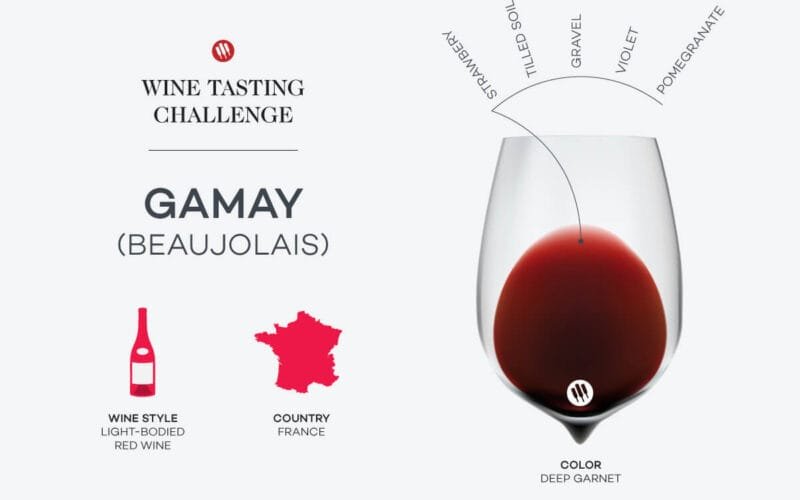
The wine’s deep garnet hue feels out of place, like a red flag in a sea of ruby-purple. But don’t let that fool you. Its aromas are a sensory journey: macerated strawberries, tilled soil, crushed granite, and a whisper of violets. On the palate, it’s a fruit-forward delight that evolves—starting with ripe berries, then shifting to herbaceous notes, and finally settling into a slightly earthy finish. It’s like eating a fruit tree from top to root, each layer revealing something new. This isn’t just a wine; it’s a story told in flavors.
Beaujolais’s charm lies in its affordability. While Burgundy’s grand crus command hundreds, this bottle clocks in under $30 and still delivers. It’s a masterclass in value, proving that quality and price don’t have to be adversaries. The region’s reputation as a playful wine hub is well-earned, but this bottle shows it’s capable of more. It’s a bridge between the casual and the contemplative, a drink that invites you to linger.
Pair it with sweet BBQ wings, salmon with a tangy glaze, or roasted duck. The wine’s brightness cuts through richness, while its earthy undertones complement bold flavors. The takeaway? Beaujolais isn’t a one-trick pony. It’s a versatile companion for both simple pleasures and elevated meals.
Share your discoveries below—or tag us with #34Wines34Weeks.
What’s the one aroma you’re still trying to name? Share your discoveries below—or tag us with #34Wines34Weeks. After all, wine is less about the glass and more about the stories it tells.
Questions & Answers
What’s the difference between Beaujolais and Gamay?
Beaujolais is the region, Gamay is the grape. Gamay is the main variety used in Beaujolais wines, known for its fruity, light style.
How long should Beaujolais be aged?
Beaujolais is typically young and fruity, aged for 6–12 months. Some cru Beaujolais may age longer, but most are best enjoyed within a few years.
Information sourced from industry reports and news outlets.