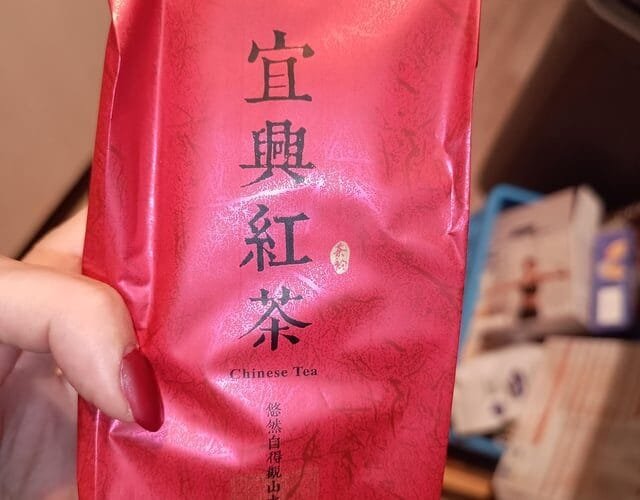
If you’ve ever wondered what it’s like to be a foreigner in China, imagine being handed a tea pack by a Dutch colleague who’s clearly out of his depth. Your coworker, a man who’s spent years navigating the complexities of the Middle Kingdom, insists this is a premium black tea. But the scent—sharp, green, almost vegetal—suggests otherwise. You’re not alone in this confusion. Tea is a language of nuance, and miscommunication often happens when cultural context clashes with personal taste.
The tea in question likely isn’t your standard black tea. Its green undertones hint at a possible origin in Fujian or Guangdong, where oolong teas like Tieguanyin or Phoenix Dancong thrive. These teas are prized for their floral notes and layered complexity, far removed from the flat, oxidized profiles of mass-produced black teas. Yet your coworker’s description of “very good quality” feels at odds with the aroma. Could he have mislabeled it? Or is this a rare green tea masquerading as black? The answer lies in how it’s brewed.
Black tea requires hot water (around 200°F) and a steep time of 3–5 minutes. But if this tea’s scent leans green, it might be a semi-fermented oolong or even a green tea that’s been oxidized improperly. The key is to adjust the water temperature and steeping duration. Try 180°F for 2 minutes to coax out its subtler notes. If it still feels off, consider the possibility of a mislabeled batch—something that’s not uncommon in global trade.
Your coworker’s naivety isn’t a judgment but a reminder of how deeply tea is tied to culture. In China, tea isn’t just a drink; it’s a ritual, a status symbol, and a window into regional traditions. A Dutch colleague’s enthusiasm for a “premium” black tea might reflect a lack of familiarity with the nuances that define quality. Whether this tea is a hidden gem or a miscommunication, the lesson is clear: tea is as much about context as it is about flavor.
Share your story in the comments—maybe we’ll all learn something.
What’s your take? Did you ever receive a tea gift that defied expectations? Share your story in the comments—maybe we’ll all learn something.
Questions & Answers
What tea is this?
This tea is likely a black tea, possibly from India or China. It has a strong flavor and dark color, common in Assam or Darjeeling varieties.
How to brew this tea?
Use boiling water, steep for 3-5 minutes. Add milk and sugar if desired. For a stronger brew, increase steeping time or use more tea leaves.
Information sourced from industry reports and news outlets.