⏱ 1 min read
The Short Version
Once a quiet supplier for Domaine de Chevalier, Château Léognan is emerging as a serious contender under consultant Sébastien Vergne. By leveraging high Cabernet Sauvignon percentages and a forest-protected microclimate, the estate delivers vibrant, climate-resilient wines that defy the trend toward heavy, overripe reds.
This is worth savoring: a hidden jewel in Bordeaux is finally stepping into the light. While tucked away in the southwestern corner of its appellation, Château Léognan has long operated under a veil of relative anonymity. Much of that was due to its history as a vineyard cultivated for its illustrious neighbor, Domaine de Chevalier, but recent shifts are changing the narrative. With the appointment of Sébastien Vergne—formerly of Château Margaux—as consultant winemaker, the estate is transitioning from a quiet secret to a serious contender.
The high percentage of Cabernet Sauvignon in the blend helps so much in hot and dry vintages.
A blueprint for climatic resilience
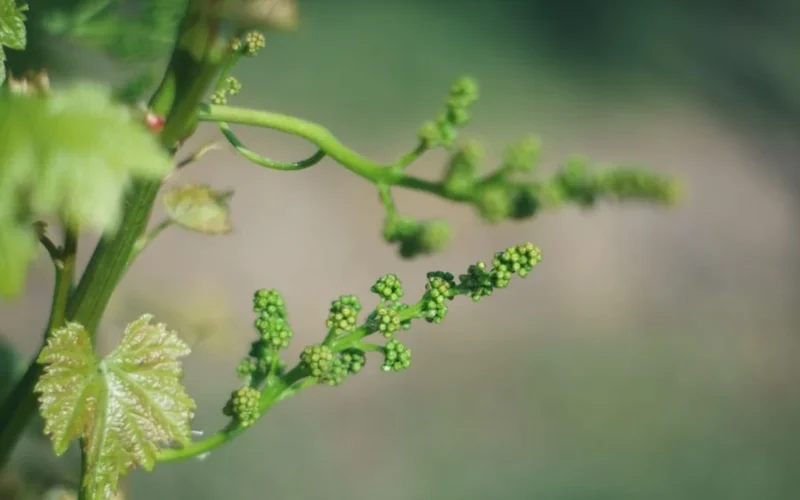
The estate’s structural advantage lies in its composition. Spanning just six hectares of sandy gravel, the vineyard is almost entirely surrounded by forest, providing natural biodiversity and a protective microclimate that locks in freshness. Unlike many neighbors, the property maintains an unusually high proportion of Cabernet Sauvignon, often reaching 70% or more in the final blend. This focus on Cabernet serves as a strategic hedge against warming temperatures. The high percentage of Cabernet Sauvignon in the blend helps so much in hot and dry vintages. By leaning into this variety, the estate achieves a naturally low pH and a signature vibrancy that defies the trend toward heavy, overripe reds.
Consistency across the vertical
Recent tastings reveal that Vergne’s influence is less about radical departure and more about refining a legacy of excellence. The wines demonstrate a rare ability to navigate both extreme weather patterns, handling everything from frost-impacted years to blistering summers with equal poise. Whether it is the luminous clarity of the 2021 or the colossal, concentrated power seen in the 2022, the estate shows remarkable vintage adaptability. Even as new elements like Petit Verdot make their debut, the core identity remains focused on purity and lift. It is a profile defined by sapid minerality and a tension between density and elegance. Do you think higher Cabernet percentages are the definitive answer to climate change in Bordeaux?
Questions & Answers
Who is the new winemaker at Château Léognan?
Sébastien Vergne is the newly appointed consultant winemaker at Château Léognan. He brings significant expertise to the estate following his previous tenure at the prestigious Château Margaux. His leadership marks a major transition for the vineyard, moving it from an anonymous producer that previously supplied Domaine de Chevalier toward becoming a serious independent contender in the Bordeaux region. Vergne focuses on refining the estate's existing legacy of excellence through precision and technical skill.
How does Château Léognan protect its vines from extreme weather?
Château Léognan utilizes a protective microclimate created by the forest that almost entirely surrounds its six hectares of sandy gravel. This natural biodiversity helps lock in freshness and shields the vineyard from environmental shifts. Additionally, the estate employs a strategic viticultural approach by maintaining a high proportion of Cabernet Sauvignon, which can reach over 70% of the final blend. This specific grape variety helps the estate manage hot and dry vintages while maintaining a naturally low pH.
What makes the wine profile of Château Léognan unique?
The wine profile is defined by a signature tension between density and elegance, characterized by sapid minerality and luminous clarity. Even when incorporating new elements like Petit Verdot, the estate maintains a core identity centered on purity and lift. This style allows the wines to avoid the trend toward heavy, overripe reds often seen in warmer climates. Instead, the high Cabernet Sauvignon content ensures a vibrant acidity that provides freshness regardless of the vintage's intensity.
Why is a high percentage of Cabernet Sauvignon beneficial for Bordeaux vineyards?
A high percentage of Cabernet Sauvignon serves as a strategic hedge against rising temperatures and climate change in Bordeaux. This variety helps winemakers maintain a naturally low pH and signature vibrancy during particularly hot and dry vintages. By leaning into Cabernet Sauvignon, estates can avoid producing overly heavy or overripe wines that lack freshness. This approach ensures the final blend retains its structural integrity and elegance even as weather patterns become increasingly unpredictable and extreme.
Originally reported by The Drinks Business.