

⏱ 1 min read
The Short Version
Bordeaux is facing a brutal structural contraction as annual shipments plummet below the symbolic three million hectolitre mark for the first time in decades. With land values cratering by up to 80%, the region is aggressively uprooting 30,000 hectares to survive this massive market correction.
This is worth savoring, though perhaps not for its sweetness: Bordeaux is facing a profound structural contraction. For the first time in decades, annual wine shipments from the region have dipped below the symbolic three million hectolitre threshold. This isn’t merely a dip in sales; it represents a fundamental shift in the economic landscape of France’s largest wine-growing department.
Annual shipments from Bordeaux producers fell to 2.98 million hectolitres, down 12% year-on-year.
A massive correction in vineyard pricing
The downturn has hit almost every major appellation, though even the prestige names show signs of fatigue. While top-tier regions like Pauillac and Margaux remain relatively resilient, they haven’t escaped the slide, seeing price drops between 22% and 27%. The real carnage is visible in the secondary markets where land values are cratering. Annual shipments from Bordeaux producers fell to 2.98 million hectolitres, down 12% year-on-year. In areas like Médoc, vineyard land prices have plummeted by over 80%, while Bordeaux Rouge land has lost more than 60% of its value.
Restructuring the terroir
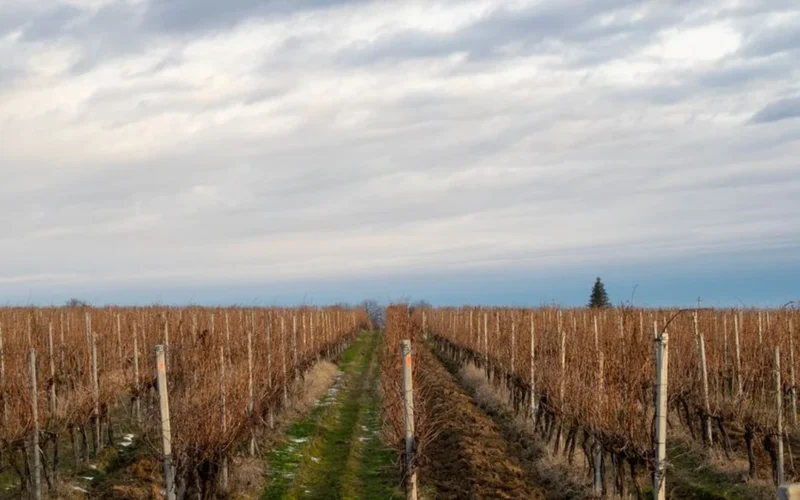
To combat this surplus, the region is undergoing one of the most aggressive vineyard restructuring programs in its history. Between 2023 and 2026, nearly 30,000 hectares of vines will be uprooted across Bordeaux. Much of this reduction is driven by government-backed compensation schemes designed to rebalance supply with dwindling demand. Producers are increasingly choosing to abandon less profitable holdings to concentrate resources on their strongest sites. This strategic retreat is being compounded by volatile weather patterns, including extreme heatwaves and frost, which continue to threaten both yields and fruit quality. As growers pivot toward higher-quality terroirs, the era of massive, low-margin production appears to be ending. Do you think a smaller, more focused Bordeaux can eventually recover its global prestige?
Questions & Answers
Why are Bordeaux wine shipments declining?
Bordeaux is experiencing a profound structural contraction characterized by dwindling global demand and a significant surplus of wine. Annual shipments from the region have recently dropped below the three million hectolitre threshold, falling to 2.98 million hectolitres. This 12% year-on-year decrease reflects a fundamental shift in the economic landscape for France's largest wine-growing department. Additionally, volatile weather patterns such as extreme heatwaves and frost continue to threaten both annual yields and overall fruit quality for local producers.
How much have vineyard land prices fallen in Bordeaux?
Vineyard land values in certain parts of Bordeaux have experienced a massive correction, with some areas seeing price drops of over 80%. Specifically, land values in the Médoc region have plummeted significantly during this economic downturn. Furthermore, land dedicated to Bordeaux Rouge has lost more than 60% of its value. This cratering of secondary market prices highlights the severity of the current crisis and the financial pressure facing many producers across the various appellations.
What is being done to address the wine surplus in Bordeaux?
The region is implementing an aggressive vineyard restructuring program that involves uprooting nearly 30,000 hectares of vines between 2023 and 2026. This massive reduction is largely driven by government-backed compensation schemes intended to rebalance market supply with declining demand. By participating in these programs, producers can move away from less profitable holdings. This strategic retreat allows growers to concentrate their limited resources on their strongest sites and higher-quality terroirs.
How have prestige Bordeaux appellations been affected by the crisis?
Even prestigious Bordeaux names like Pauillac and Margaux are showing signs of fatigue despite remaining relatively resilient compared to other areas. These top-tier regions have not escaped the downward trend and have seen price drops ranging between 22% and 27%. While these high-end appellations maintain more stability than secondary markets, they are still caught in a broader economic shift. The era of massive, low-margin production is ending as growers pivot toward higher-quality production models.
Originally reported by The Drinks Business.


[…] is worth savoring: a hidden jewel in Bordeaux is finally stepping into the light. While tucked away in the southwestern corner of its […]