⏱ 1 min read
The Short Version
Burkina Faso is building a fully domestic coffee value chain, from farm to cup, creating jobs and reclaiming economic control through its first local processing plant. The initiative, led by Natobe Zanga, aims to make Burkinabe coffee affordable and globally competitive.
In the heart of West Africa, Burkina Faso is rewriting the rules of coffee. No longer content to export raw beans or rely on foreign processing, the nation is building a 100% domestic coffee value chain—from farm to cup. This isn’t just about beans; it’s about reclaiming control, creating jobs, and proving that origin matters in ways beyond flavor.
This undertaking contributes to our resilience—to the conquest of our economic sovereignty.
A Local Chain, Global Impact
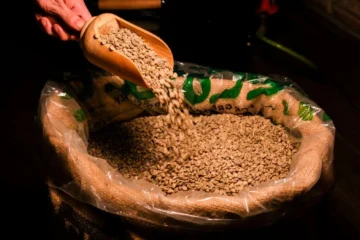
The Natobe Zanga processing plant in Ouagadougou is the beating heart of this shift. Sourcing beans from the Samadeni region of Bobo-Dioulasso, the facility produces two tons of coffee daily, all roasted and packaged domestically. This closed-loop system ensures Burkinabe coffee is affordable, accessible, and deeply rooted in local economies. “We had the courage to set up the very first coffee processing plant here,” says Hamidou Ouedraogo, Natobe Zanga’s director. The initiative aligns with a presidential push for economic sovereignty, positioning Burkina Faso as a model for regional resilience.
From Soil to Shelf: A New Coffee Economy
Burkina Faso’s coffee story is one of reinvention. While the country has long focused on cotton and gold, it’s now prioritizing regenerative agriculture to boost Robusta yields in the Sudano-Sahelian zone. The Natobe Zanga facility not only supports local farmers but also trains youth in coffee processing, offering them stable, skilled employment. Café Dia, the brand behind the project, is already stocked in Bobo-Dioulasso supermarkets, with plans to expand across the nation. This shift is not only about beans—it’s about building a sustainable, self-reliant industry with the potential to inspire neighboring nations facing similar economic and agricultural challenges. This undertaking contributes to our resilience—to the conquest of our economic sovereignty. What happens when a nation decides its coffee destiny isn’t dictated by foreign hands? How does this model scale in a region where climate challenges and infrastructure gaps often dictate outcomes? The answer might be brewing in Burkina Faso—and it’s worth a closer look.
Questions & Answers
How is Burkina Faso transforming its coffee industry?
Burkina Faso is building a fully domestic coffee value chain, from farm to cup, by establishing processing plants like Natobe Zanga. This system ensures local control, affordability, and job creation, while aligning with national goals for economic sovereignty and regional resilience.
What role does the Natobe Zanga processing plant play in Burkina Faso’s coffee revolution?
The Natobe Zanga plant in Ouagadougou processes two tons of coffee daily, sourcing beans from Bobo-Dioulasso. It supports local farmers, trains youth in processing, and produces roasted, packaged coffee for domestic markets, reinforcing local economic ties and sustainability.
Why is Burkina Faso focusing on regenerative agriculture for coffee?
Burkina Faso is prioritizing regenerative agriculture to boost Robusta yields in the Sudano-Sahelian zone. This approach enhances soil health, supports climate resilience, and strengthens the coffee economy, ensuring long-term sustainability and regional food security.
Can Burkina Faso’s coffee model inspire other African nations?
Burkina Faso’s model offers a blueprint for regional resilience by combining economic sovereignty, local employment, and sustainable practices. Its success in building a closed-loop coffee industry could inspire neighboring countries facing similar economic and agricultural challenges.
Originally reported by Barista Magazine.