⏱ 1 min read
The Short Version
Light roasts can deliver thick bodies through precise extraction, not darkness, by balancing timing, temperature, and grind consistency. The key is dissolving sugars without scorching, achieved with tools like a J-Ultra grinder and methods like pour-over.
In This Article
Light roasts are frequently undervalued for their brightness, yet they can produce substantial body—here’s how to unlock that potential. The misconception that darkness equates to density is a lazy assumption, not a rule. A light roast’s structure is delicate, but its capacity for richness stems from extraction, not roast level. The goal is to balance variables to achieve body without compromising clarity.
The real challenge is achieving full dissolution of the bean’s natural sugars without scorching them.
The Illusion of Body
Thick body isn’t a function of roast level—it’s a result of precise extraction. Light roasts preserve more acidity and volatile compounds, which can dominate mouthfeel if over-extracted. But under-extraction yields thin, watery results. The real challenge is achieving full dissolution of the bean’s natural sugars without scorching them. This demands exact control over timing and water temperature—factors often neglected in favor of roast depth.
Precision Over Perception
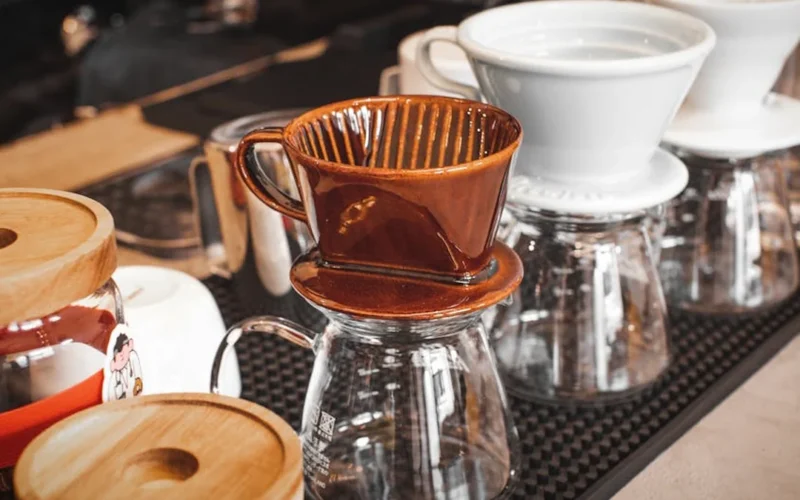
A J-Ultra grinder’s consistency can bridge the gap between light roast and body. Its uniform particle size ensures even extraction, preventing uneven dissolution that distorts flavor. Pair this with a pour-over or French press, which allows for slower, more controlled extraction than a rushed espresso shot. The bean’s origin and processing also play a role: washed coffees tend to yield cleaner, more structured bodies, while natural-process beans offer greater viscosity.
Thick body isn’t a roast level trait—it’s an extraction equation. The real challenge is achieving full dissolution of the bean’s natural sugars without scorching them.
What if the thickest body you’ve ever tasted came from a light roast? How do you balance clarity and density without sacrificing flavor?
Questions & Answers
How can light roasts achieve thick bodies?
Light roasts can achieve thick bodies through precise extraction. The key is balancing extraction to dissolve natural sugars without scorching them. This requires control over water temperature and timing, ensuring full dissolution without over-extraction.
What factors influence the body of a light roast?
Factors influencing the body of a light roast include extraction precision, grind consistency, and brewing method. A J-Ultra grinder ensures even particle size, while pour-over or French press methods allow for slower, more controlled extraction.
Why is extraction more important than roast level for body?
Extraction is more important than roast level for body because thick body results from dissolving the bean’s natural sugars, not roast depth. Light roasts preserve acidity and volatile compounds, which can dominate if over-extracted, but proper extraction balances clarity and density.
Can light roasts produce rich, thick bodies?
Yes, light roasts can produce rich, thick bodies with the right extraction. By focusing on precise timing and water temperature, you can unlock the bean’s natural sugars for a dense mouthfeel without compromising clarity.
Originally reported by Reddit Espresso.