⏱ 1 min read
The Short Version
Older wines defied expectations, with 1959 Anjou Blanc and 1984 Jura whites showing remarkable complexity, while some aged beyond their prime, proving age doesn’t always equal greatness.
In This Article
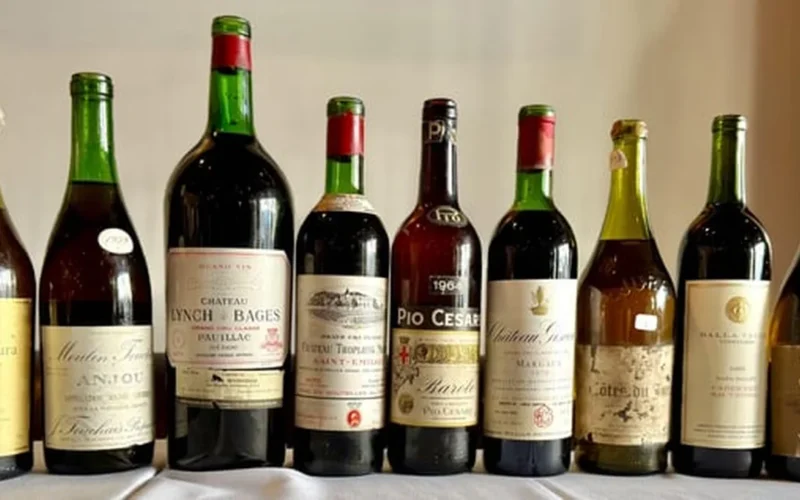
Wine collectors, connoisseurs, and enthusiasts convened in West LA for the second annual tasting of this unconventional event, where the focus was less on pedigree and more on the unexpected. The lineup was as anticipated: bottles older than their vintages, some defying gravity, others whispering secrets of decades past. The 1959 Moulin Touchais Anjou Blanc Reserve du Fondateur stood out—nuanced, complex, a hint of pear, and unapologetically sweet. It’s the kind of wine that makes you question the rules.
The 1959 Moulin Touchais isn’t a cheat code—it’s a masterclass in how sweetness can elevate complexity without sacrificing depth.
The Alchemy of Age
Aged wines are less about preservation and more about transformation. The 1984 M. Perron Cotes du Jura revealed nutty oxidation, a butterscotch finish, and a crystalline clarity that suggested a bygone era. The 1986 Zanada Fils Côtes du Jura followed suit, with hazelnut and walnut notes that hinted at the passage of time. These bottles aren’t just old—they’re alive, their flavors evolving into something new. The 1970 Château Troplong-Mondot, however, was a cautionary tale: past peak, all acid and damp library book, a reminder that age doesn’t always equate to greatness.
Youthful Resurgence
Not every bottle here was a relic. The 1970 Château Giscours and Lynch-Bages (Magnum) were still youthful, their fruit vibrant, their structure fresh. The 1992 Dalla Valle Napa Cabernet Sauvignon, a “baby” in wine terms, delivered stonefruit and classic Napa style—pre-Parker, unapologetically bold. These wines proved that even in an era of aging, youth can be a virtue.
The 1959 Moulin Touchais isn’t a cheat code—it’s a masterclass in how sweetness can elevate complexity without sacrificing depth.
Climate change and modern winemaking are reshaping the aging narrative, with some vintages now aging differently than their predecessors. Yet, for all the shifts, the core truth remains: the best bottles—regardless of age—still demand to be tasted. What’s your go-to bottle for balancing age and character? Share your pick.
Questions & Answers
How do aged wines transform over time?
Aged wines undergo transformation rather than preservation, developing new flavors and textures. The 1984 M. Perron Cotes du Jura showed nutty oxidation and a butterscotch finish, illustrating how time can refine a wine into something unexpected and complex.
What makes the 1959 Moulin Touchais unique?
The 1959 Moulin Touchais Anjou Blanc Reserve du Fondateur stands out for its nuanced, complex profile with a hint of pear and unapologetic sweetness. It challenges traditional expectations, proving that sweetness can elevate complexity without sacrificing depth.
Can younger wines still be impressive in an aging-focused event?
Yes, younger wines can be impressive, as seen with the 1970 Château Giscours and Lynch-Bages, which retained vibrant fruit and fresh structure. These examples show that youth can be a virtue, even in an event celebrating aged wines.
Why is the 1970 Château Troplong-Mondot considered a cautionary tale?
The 1970 Château Troplong-Mondot is a cautionary tale because it had become past its peak, with all acid and a damp library book aroma. This highlights that age alone doesn’t guarantee quality, emphasizing the importance of balance between time and character.
Originally reported by Reddit Wine.